 Whalesbook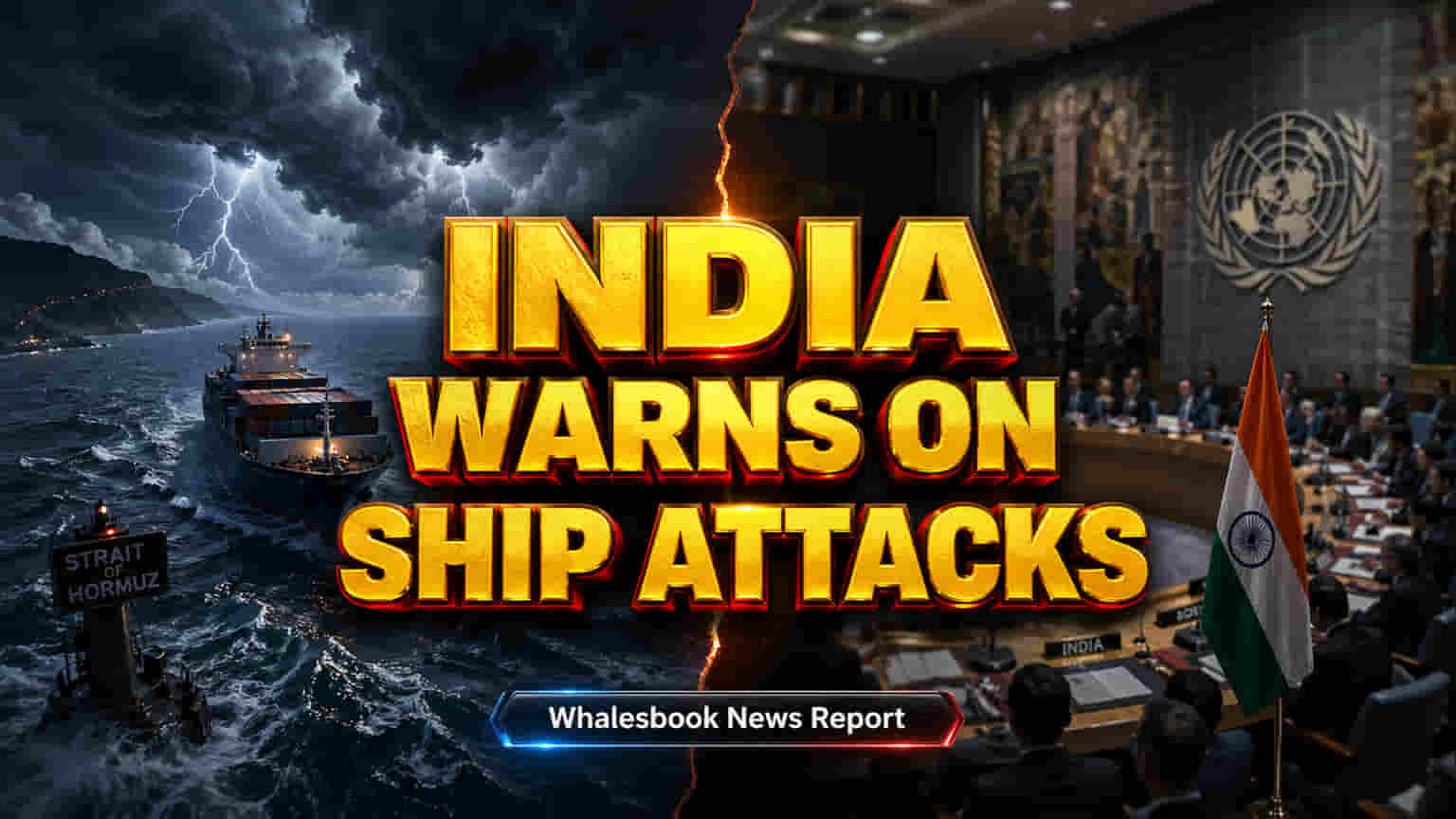


India's Economic Lifeline Threatened
India's economic stability is closely tied to the smooth flow of trade through key maritime routes, especially the Strait of Hormuz. Ambassador Yojna Patel's statements at the UN Security Council highlighted the nation's exposure to increasing geopolitical tension in the Middle East. These tensions can affect energy prices, inflation, and the welfare of millions of Indian expatriates.
Energy Security and Inflation Risks
The Strait of Hormuz is a vital conduit for India's energy needs, with a large portion of its crude oil passing through. Any disruption here can immediately raise global oil prices, driving domestic inflation. India's heavy reliance makes it vulnerable to any escalation that could block passage or increase shipping costs. The nation's co-sponsorship of UN Security Council Resolution 2817 (March 11, 2026) shows its support for international rules ensuring freedom of navigation.
Evolving Foreign Policy and Regional Dynamics
India's stance signals a shift in its foreign policy towards more assertive engagement on issues vital to its economic interests. While historically focused on energy and its diaspora, India is now more vocal about maritime security and regional stability. This push comes amid heightened regional tensions, including Iran's complaint to the UN accusing the U.S. of "piracy". India's broader diplomatic efforts in the region aim to foster de-escalation and protect its core economic and security needs.
Economic Vulnerability and Potential Crises
Despite diplomatic efforts, India's economic vulnerability is a major concern. With over 80% of its crude oil imported and much of it through the Strait of Hormuz, any prolonged conflict could trigger a severe energy crisis. This would impact industrial output, consumer spending, and the safety of the nearly 10 million Indian citizens working in the Gulf. India's economy remains highly susceptible to the volatile geopolitics of the region, facing risks of supply chain disruptions and currency depreciation.
Outlook: Diplomacy and Diversification
India's strategy involves continued diplomatic engagement and accelerating energy diversification. While tensions may cause immediate oil price spikes, sustained high prices depend on the conflict's duration. The nation plans to boost domestic energy production, seek alternative import routes, and strengthen its diplomatic efforts for stability. Ensuring secure global commerce through the Strait of Hormuz is vital for India's economic growth.