

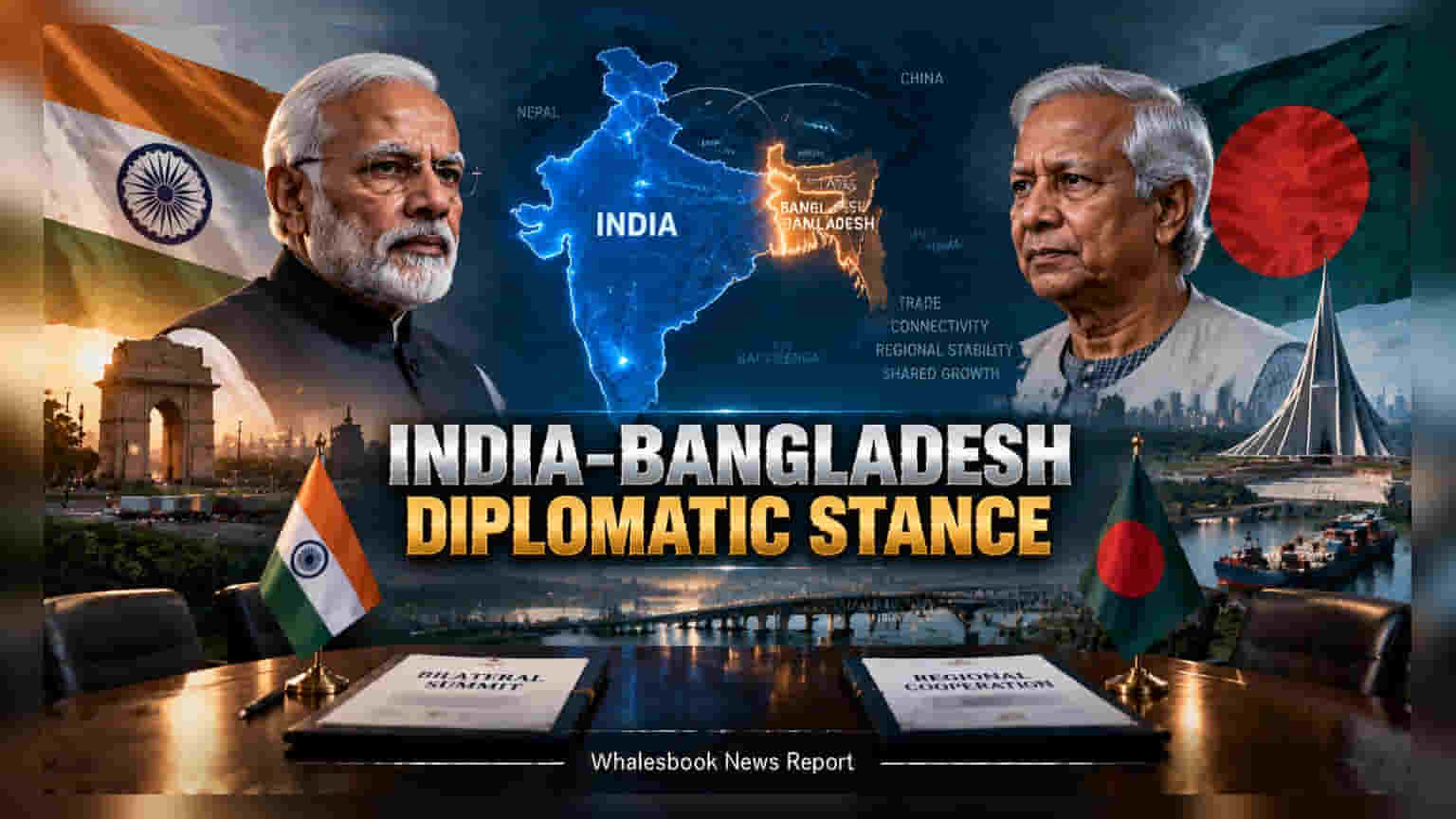
The Ministry of External Affairs (MEA) confirmed it extended two distinct invitations to Bangladesh leadership: one for a bilateral summit and another for the BRICS event as the BIMSTEC Chair. This clarification follows Dhaka’s decision to prioritize direct bilateral engagement over multilateral forums. The move highlights a strategic attempt by both nations to reset diplomatic ties following the political transition in August 2024.
The Indian Ministry of External Affairs has issued a formal clarification to address recent diplomatic confusion regarding invitations extended to Bangladesh. Spokesperson Randhir Jaiswal confirmed that the government had sent two separate invitations to the Bangladeshi leadership: one for a formal bilateral summit and a second invitation for the BRICS Summit, which was contingent on Bangladesh’s role as the current chair of the Bay of Bengal Initiative for Multi-Sectoral Technical and Economic Cooperation (BIMSTEC).
The clarification comes after Dhaka chose to bypass the BRICS multilateral platform. State Minister for Foreign Affairs Humaiun Kobir explained that the current government prefers direct bilateral communication over appearing at multilateral forums. This approach is part of an effort by the new administration in Dhaka to establish a fresh framework for cooperation, distancing itself from the diplomatic patterns of the previous government.
Bilateral relations between the two countries have been navigating a period of adjustment since the departure of former Prime Minister Sheikh Hasina in August 2024. Ongoing friction points, including Dhaka’s request for extradition and concerns regarding political commentary emanating from Indian soil, have created a complex diplomatic environment. Both nations have expressed a willingness to reset the relationship, but they appear to be moving with caution rather than speed.
From an economic perspective, diplomatic stability between India and Bangladesh is a significant monitorable for regional business. Bangladesh is a key trade partner for India, with substantial cross-border activity in sectors such as textiles, power, logistics, and infrastructure. Clear and consistent diplomatic channels are essential for the smooth operation of supply chains and the execution of ongoing development projects. When diplomatic relations remain in a reset phase, businesses with significant exposure to the region often watch for developments that could impact trade policies, project timelines, or cross-border regulatory environments.
The path toward reconciliation remains contingent on both sides agreeing to a mutually convenient schedule for formal discussions. While the diplomatic reset is ongoing, both governments have signaled that they are not in a rush, emphasizing that any future visit must be structured to ensure substantial progress on shared regional and economic interests. Investors and industry stakeholders will likely track the outcomes of these eventual high-level talks, as they will define the tone for future bilateral cooperation and regional stability.