

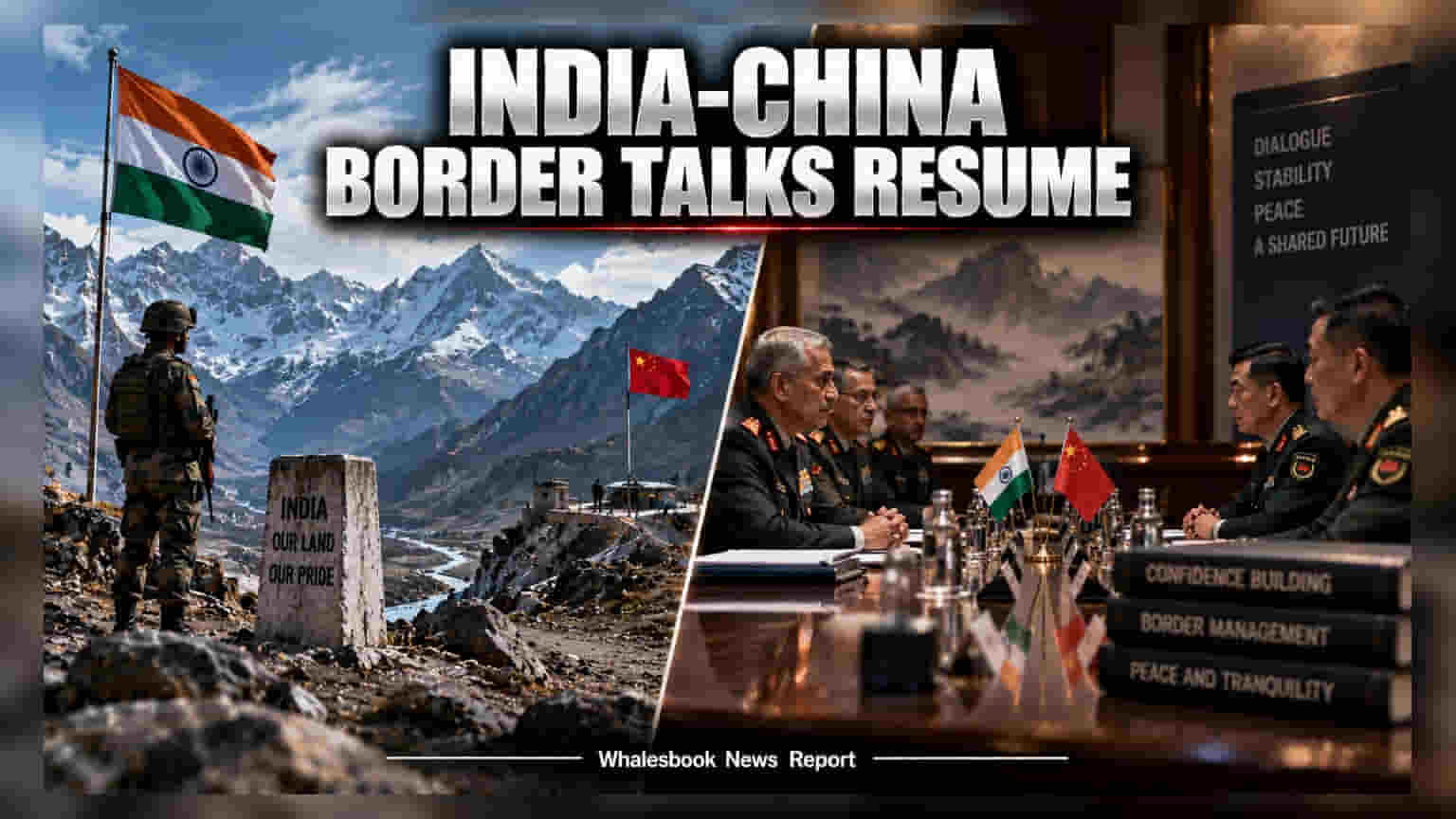
Indian and Chinese military commanders met on September 6-7, 2026, in Arunachal Pradesh to discuss border stability. These talks follow high-level diplomatic meetings in Beijing and aim to establish better communication along the Line of Actual Control.
Indian and Chinese military officials have conducted the first corps commander-level flag meetings in the Arunachal Pradesh sector. The discussions took place on September 6, 2026, at Wacha on the Indian side of the border, followed by a meeting at Damai on the Chinese side on September 7, 2026.
The Indian delegation was led by Lieutenant General Girish Kalia, commander of the Dimapur-based 3 Corps. This military dialogue is a direct follow-up to the high-level diplomatic discussions held in Beijing on August 25, 2026, between India’s National Security Adviser Ajit Doval and Chinese Foreign Minister Wang Yi. During that earlier engagement, both sides reached a consensus on creating a framework to manage border communication more effectively.
The primary objective of these flag meetings is to maintain peace and tranquillity along the Line of Actual Control. By establishing recurring, structured communication between frontline commanders, both nations aim to prevent ambiguity and reduce the risk of localized military incidents. This initiative is part of an ongoing effort to align ground-level military actions with the broader diplomatic objectives set by leadership in New Delhi and Beijing.
While this diplomatic and military development is significant for regional security, there have been no exchange filings, company announcements, or direct stock market impacts associated with these events. It remains a bilateral geopolitical process focused on territorial management and border stability.
Investors and observers should note that while these talks signal a shift toward active engagement, long-term boundary resolution remains a complex and ongoing process. The next important step will be the continued implementation of communication protocols between military commanders to ensure sustained stability in the eastern sector.