 Whalesbook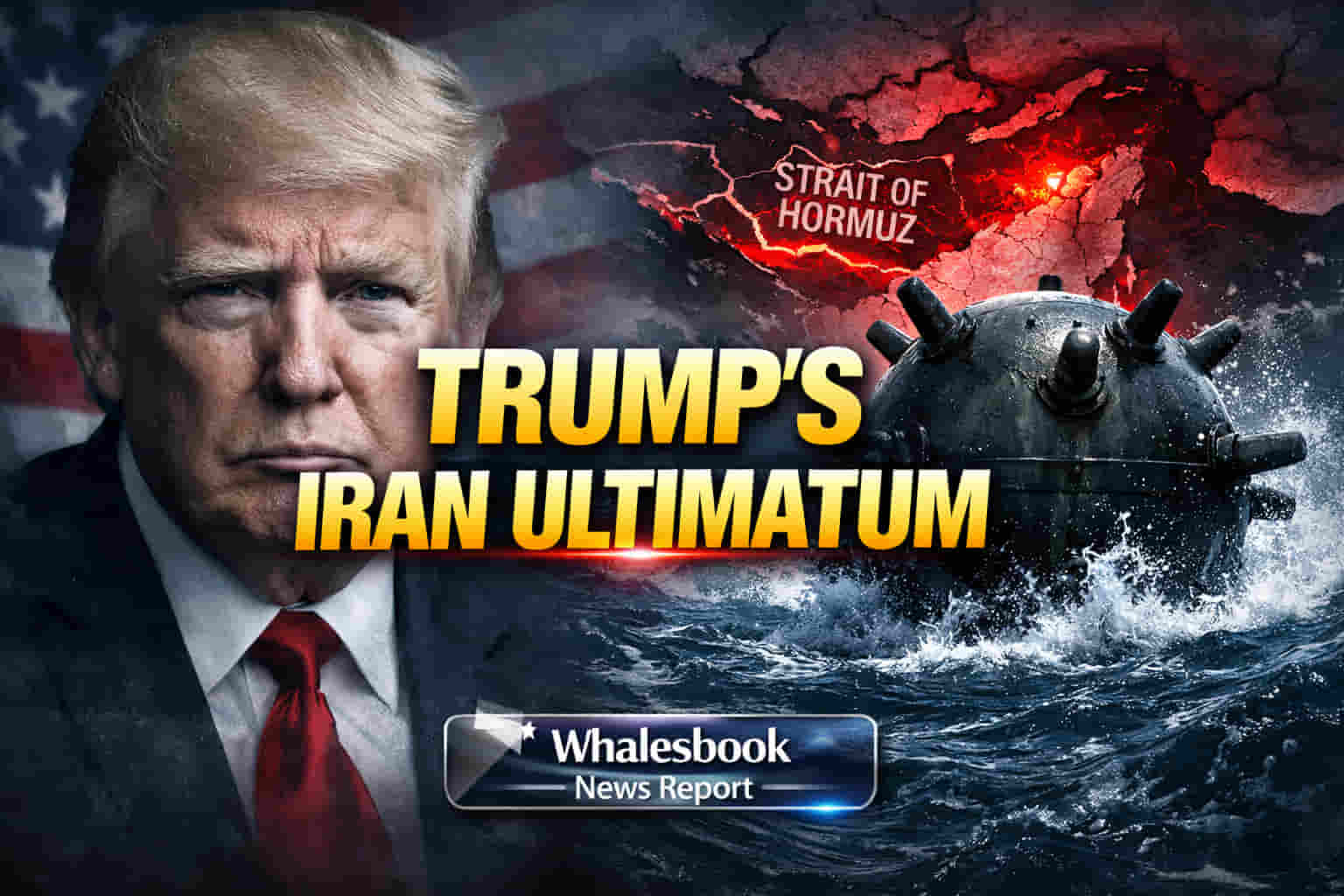


Strait of Hormuz: A Critical Energy Lifeline
The market's reaction to rising tensions in the Strait of Hormuz highlights how crucial this waterway is for global oil shipments. While diplomatic efforts might ease immediate price jumps, Iran's demonstrated mine-laying capabilities and the strait's inherent vulnerability mean energy prices are carrying a significant risk premium.
Iran's Mining Threat and U.S. Response
President Donald Trump issued a stern warning to Iran about mining the Strait of Hormuz, threatening "unprecedented military consequences" if mines were deployed or not removed. This followed reports that Iran had begun laying mines in the strait. U.S. Central Command announced on March 10, 2026, that it had destroyed 16 Iranian mine-laying vessels near the strait, slightly more than President Trump's initial count of 10. The Strait of Hormuz is a critical chokepoint, with about one-fifth of the world's oil supply passing through it daily. Iran reportedly possesses thousands of naval mines and the means to deploy them.
Oil Prices Spike Amid Volatility and Risk Premium
Crude oil prices have surged with considerable volatility. Brent crude broke past $114 a barrel on March 9, 2026, its highest point since 2022, and a sharp rise from around $70 in late February. WTI crude also jumped 85% in weeks, briefly reaching near $120 a barrel. Estimates suggest this surge includes a geopolitical risk premium of $10-$20 per barrel, reflecting market worries about potential supply disruptions. On March 11, 2026, Brent crude traded around $87.32 a barrel, down slightly but still significantly higher than monthly and yearly averages. Despite some price drops, possibly due to diplomatic signals or strategic reserve releases, the market remains sensitive to any further escalation.
Energy Stocks: Mixed Signals and Analyst Opinions
The geopolitical instability directly affects energy sector stocks. Some analysts, like those at UBS, remain optimistic, seeing energy stocks as attractive and believing the full geopolitical risk might not yet be priced in. However, others point to mixed performance in major energy stocks despite high oil prices and tensions. Some market watchers suggest that declines in certain energy equities could mean immediate geopolitical risk pricing has peaked. Goldman Sachs analysis indicates that prolonged conflict could increase upside potential for energy prices, with forecasts from the EIA suggesting prices may stay above $95 a barrel for the next two months.
Iran's Disruption Threat & Economic Fallout
The main threat is Iran's ability to severely disrupt or temporarily close the Strait of Hormuz by deploying widespread mines. Such an event could immediately halt millions of barrels of crude and refined products daily, potentially sending global oil prices to $150-$200 per barrel in prolonged scenarios. Beyond immediate supply shocks, sustained high energy costs could worsen inflation, hinder global economic recovery, and impact industrial output through higher raw material and transport costs. Interventions like releasing oil from strategic reserves offer only temporary relief, failing to fix the fundamental supply chain vulnerability and the psychological impact of ongoing geopolitical uncertainty.
Outlook: Navigating Geopolitical Uncertainty
The immediate future for oil prices is closely tied to geopolitical events in the Middle East. While diplomatic efforts and potential coordinated reserve releases by groups like the IEA could help cap prices temporarily, the core risk to this critical energy chokepoint remains. Forecasts predict Brent crude will stay above $95 a barrel for the next two months before potentially declining, but this depends heavily on the conflict's duration and the extent of supply disruptions. The market will continue to factor in a premium for geopolitical instability, influencing investment choices and broader economic outlooks.