

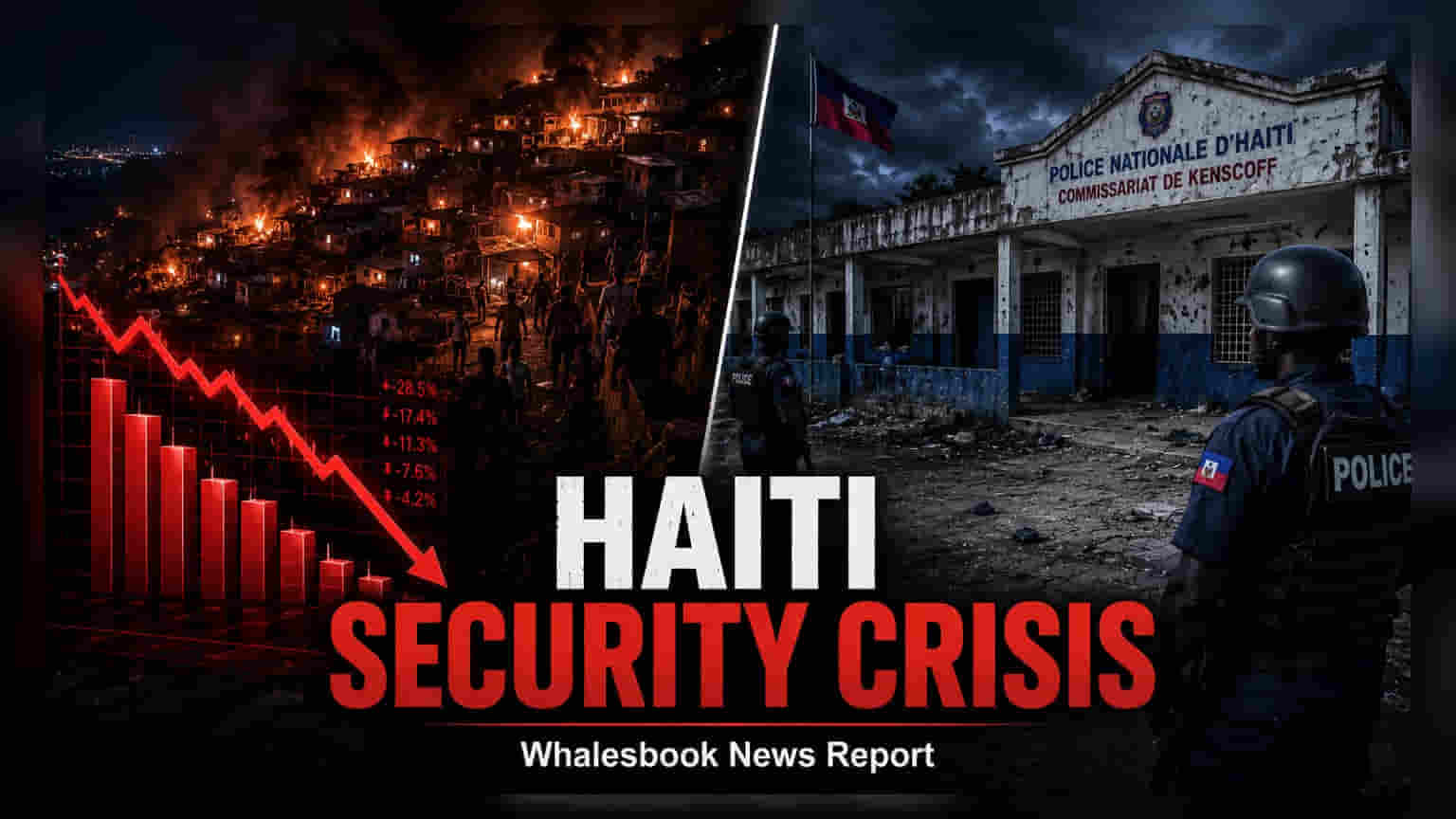
A brutal overnight gang raid in Kenscoff, Haiti, has left at least 47 people dead, sparking public outrage over persistent security lapses. The escalation of violence poses a significant threat to political stability and the national elections scheduled for December 2026, further complicating the country's path to recovery.
A violent raid in the Kenscoff neighborhood of Haiti has resulted in at least 47 deaths and 22 injuries, according to reports confirmed by the United Nations. The attack, which took place overnight between August 23 and August 24, 2026, was attributed to the 'Viv Ansanm' gang coalition. This assault has triggered widespread public anger, with local residents criticizing the government and law enforcement for failing to protect the community despite the proximity of local police stations.
Strategic Importance and Security Challenges
Kenscoff, a hillside area located near the capital city of Port-au-Prince, is considered a strategic location for controlling transport and supply routes. The area has faced recurring security issues, causing significant disruptions to the daily lives of residents and local commerce. The recent escalation is part of a broader pattern of insecurity that has plagued Haiti since the 2021 assassination of President Jovenel Moïse, with various armed coalitions effectively controlling large parts of the country.
Impact on Political and Economic Stability
The persistence of gang violence creates a difficult environment for the nation's political and economic future. With national elections currently slated for December 13, 2026, the ongoing instability threatens the logistics and safety required to hold a credible democratic process. For the business and international community, the continued violence disrupts humanitarian aid, limits the delivery of public services, and halts commercial operations in areas under gang influence.
While a UN-backed Multinational Security Support (MSS) mission is currently operational in the country, the recent attack in Kenscoff has highlighted the limitations of current security measures. The inability to prevent such a large-scale event near the capital has deepened skepticism among citizens regarding the government's current strategy for restoring order.
What to Monitor Next
Investors and international observers are tracking the effectiveness of the security mission and the government's ability to stabilize the region ahead of the upcoming elections. The primary concern remains whether the state can regain control over critical infrastructure and ensure safety in high-risk zones, as further displacement and humanitarian crises could lead to regional security spillover effects.