 Whalesbook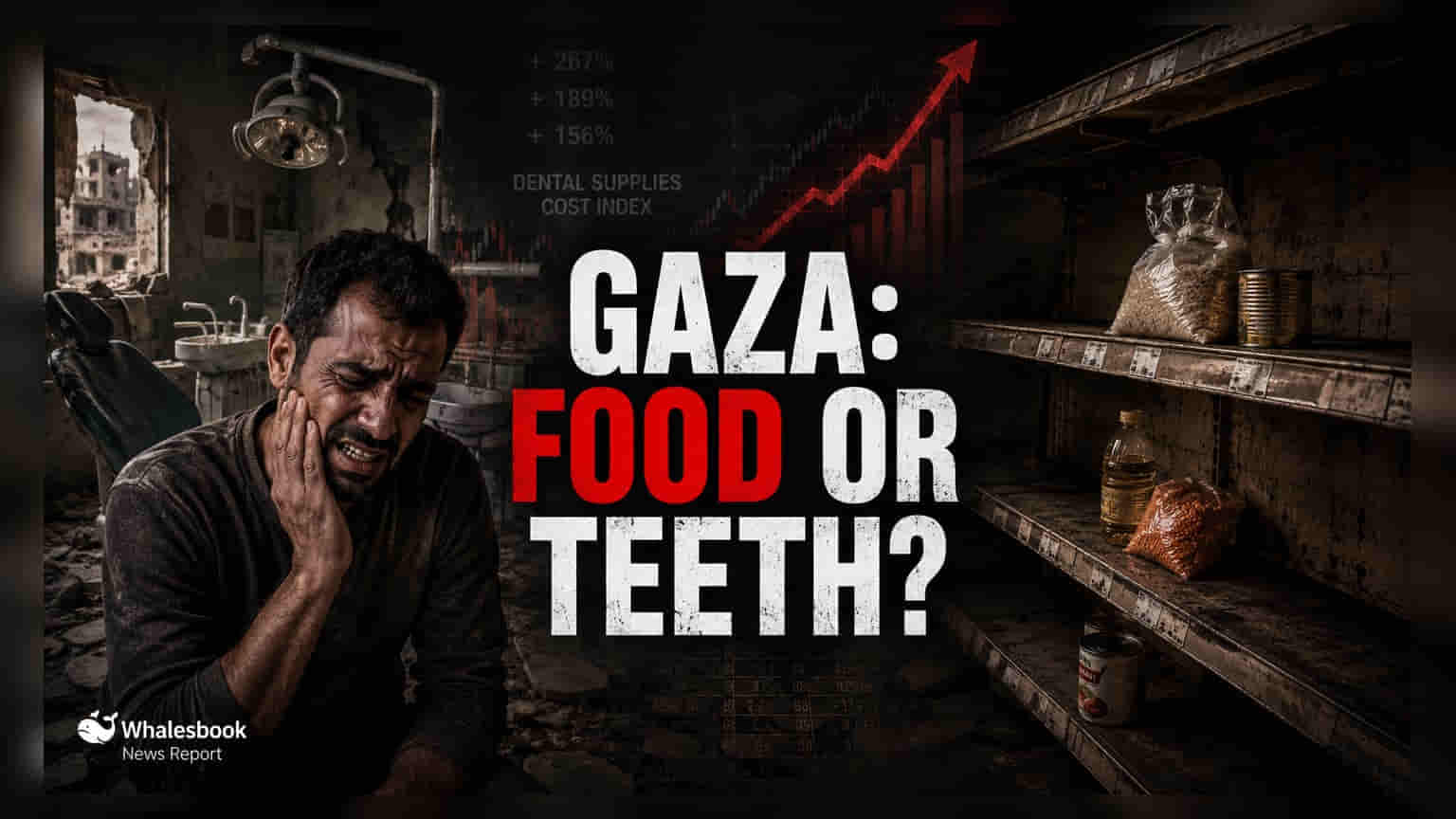


The Economic Collapse of Essential Care
The catastrophic breakdown of dental services in Gaza represents more than a public health emergency; it marks the total disintegration of basic medical commerce. While the immediate human cost is visible in the physical suffering of residents in areas like Nuseirat, the underlying driver is a radical shift in market dynamics. The cost of fundamental clinical supplies—specifically anesthetics and impression materials like Zeta Plus—has experienced a vertical trajectory, moving from manageable overhead to prices that exceed the average monthly household income for many families.
Inflationary Pressures and Supply Chain Paralysis
Market data confirms that the scarcity of medical imports has created an artificial pricing environment where common dental consumables are now luxury goods. When anesthetics increase in price by over 200 percent and specialized molding materials surge from roughly 150 shekels to 6,000 shekels, the traditional business model of private dentistry becomes non-viable. Practitioners are caught in a feedback loop where they must pass these costs to patients who are already grappling with hyperinflation in food and energy sectors. The result is a total cessation of preventative dentistry, with patients only seeking aid when conditions reach critical, life-threatening levels of infection.
The Systematic Erosion of Healthcare Infrastructure
Beyond individual clinic failures, the broader healthcare sector remains in a state of institutional collapse. With over 80 percent of regional medical facilities rendered inoperable or severely damaged, the ability to maintain sterile environments or procure equipment through standard supply chains has vanished. This environment has effectively eliminated any economies of scale that might have previously kept healthcare affordable. The reliance on temporary, improvised clinical settings further inflates costs, as the logistics of maintaining basic sanitation under current blockade conditions require disproportionate amounts of capital compared to pre-conflict operations.
Future Outlook and Structural Risks
The outlook for localized medical care remains grim as long as supply chain restrictions persist. Without a normalization of trade routes for medical equipment, the cost of procedures will likely continue to rise, further entrenching the divide between those who can afford survival and those forced to forgo necessary treatment. Analysts observing the regional healthcare sector point to the high probability of a long-term epidemic of preventable oral diseases that will demand intensive, high-cost surgical interventions for years to come, effectively ensuring that the financial burden on the surviving infrastructure remains unsustainable.