

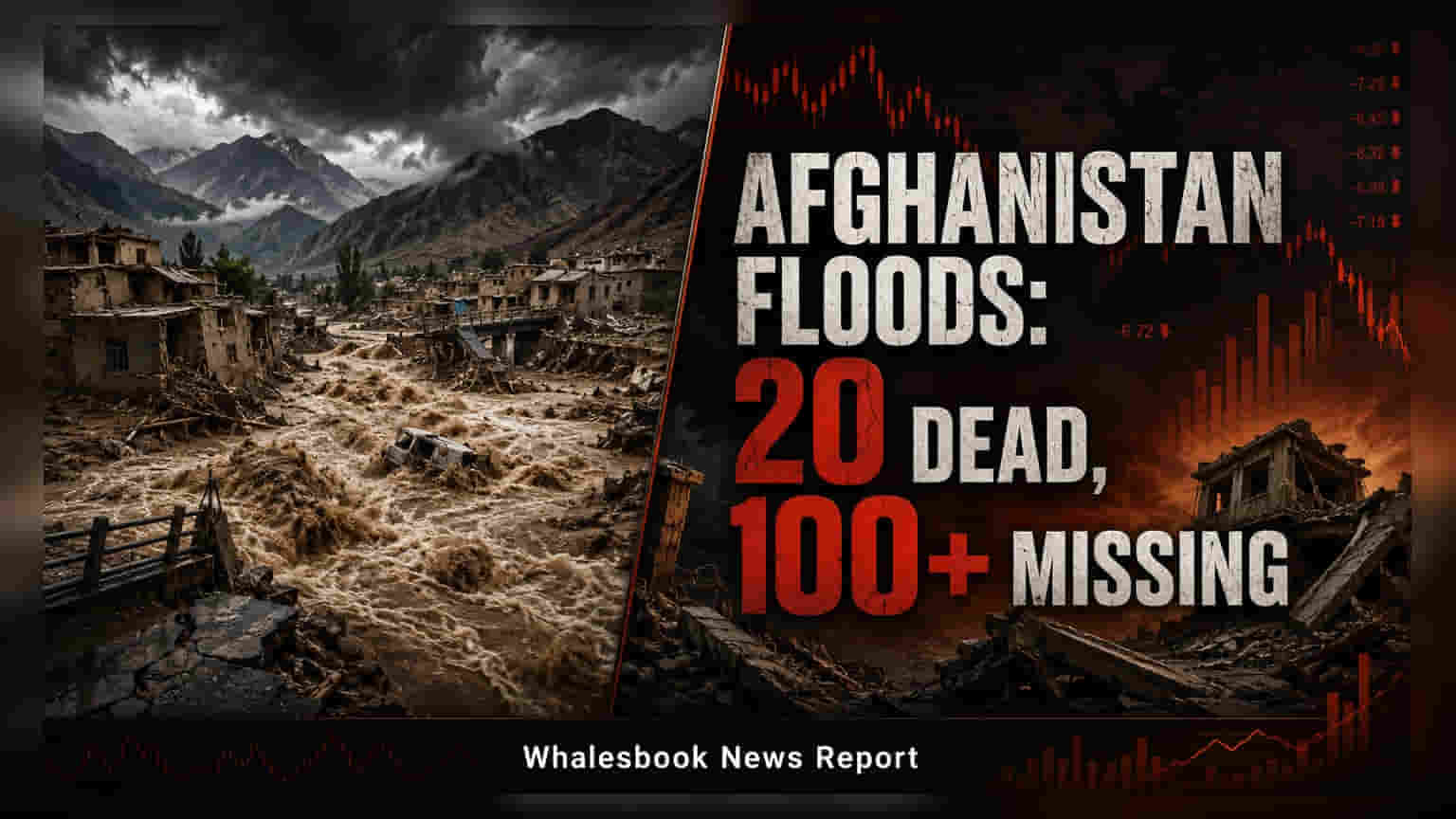
Flash floods in Afghanistan's Nuristan province have resulted in at least 20 deaths and over 100 people missing. The disaster has caused severe damage to homes and infrastructure, while difficult mountain terrain complicates ongoing search and rescue efforts.
Detailed Coverage
A series of destructive flash floods hit the northeastern province of Nuristan in Afghanistan on Monday, resulting in a significant loss of life and property. Official reports from the National Disaster Management Authority indicate that at least 20 people have died, while more than 100 remain missing. Among those reported missing is the mayor of Parun, the provincial capital, along with his security personnel.
Impact on Infrastructure and Rescue Efforts
The floodwaters have caused widespread destruction across the region, heavily damaging residential areas, local commercial centers, and essential public infrastructure. At least 80 people have sustained injuries as a result of the event. Rescue operations are currently underway; however, authorities noted that their ability to reach isolated communities is severely hampered by the region's rugged, mountainous geography and the destruction of critical road networks.
Environmental Factors and Regional Vulnerability
Experts have long identified Afghanistan as a nation highly vulnerable to the escalating effects of climate change. The intensity of this disaster has been attributed in part to extensive deforestation within the Nuristan province. When forests are cleared, the land loses its natural ability to stabilize soil and absorb heavy rainfall, which significantly increases the volume and speed of floodwaters during extreme weather events.
While the immediate priority remains the search and rescue mission, the government has warned of severe long-term financial and infrastructure consequences for the province. The ongoing assessment of the damage is expected to reveal the full scope of the impact on local livelihoods and regional connectivity. Investors and international observers tracking the region often monitor such extreme weather events for their potential to disrupt local trade, damage agricultural land, and necessitate significant emergency spending by the state and humanitarian organizations.