

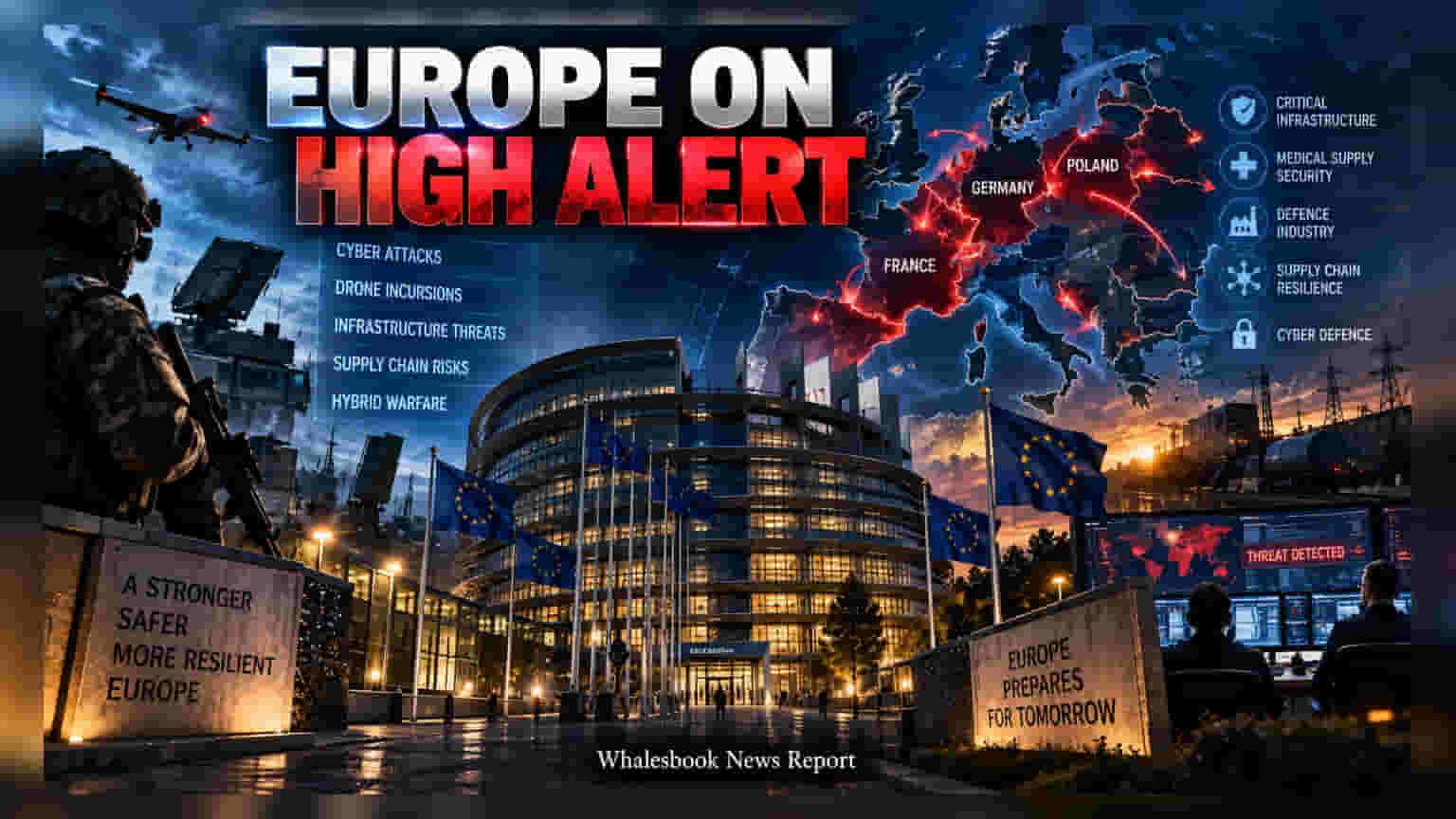
European nations are rapidly hardening infrastructure and upgrading defense protocols as hybrid warfare threats from Russia grow. For investors, this shift signals potential long-term increases in security-related capital spending and supply chain adjustments, creating a new geopolitical risk premium that could influence global market stability and trade.
European governments are shifting to a high-alert defensive stance as geopolitical tensions, specifically surrounding hybrid warfare strategies, intensify across the continent. Nations from Poland to France are moving beyond rhetorical warnings to implement concrete security measures, focusing on the protection of critical infrastructure, technology, and medical supply chains. This shift in posture marks a significant departure from the post-Cold War era of security complacency.
Europe's Economic Pivot to Security
France has initiated a comprehensive protection plan for critical infrastructure, particularly within its defense and technology sectors, to guard against cyber sabotage and drone incursions. In Germany, the approach is even more structural; the nation is reviving Cold War-era medical facilities, including nuclear-hardened bunkers, and integrating civilian hospitals into military trauma networks. Germany is also actively seeking to decouple its critical medical supply chains from dependence on China. For investors, these developments point toward a sustained increase in government and private capital spending on security and resilient infrastructure. While necessary for national stability, such spending can put pressure on fiscal budgets and shift resource allocation away from other areas of the economy.
Supply Chain and Industrial Impact
Beyond military preparedness, the focus on securing supply chains represents a broader trend of deglobalization and regional resilience. As European nations look to reduce reliance on external suppliers for critical goods, companies operating within the region may face higher operational costs. This drive toward 'strategic autonomy' in medical and defense manufacturing is a long-term monitorable, as it could influence trade policies and commodity demand. If these measures lead to a more fragmented European market, global businesses with heavy exposure to the region may need to adjust their cost structures to remain competitive.
Market Volatility and Risk Premiums
The geopolitical climate is further complicated by uncertainty regarding the role of the United States, with the Pentagon reviewing potential troop level adjustments in Europe. For global markets, this creates an added layer of uncertainty, often leading to a 'risk premium'—where investors demand higher returns to compensate for the possibility of geopolitical disruption. While the defense sector may benefit from increased contract flow, the broader economic impact of potential hybrid threats—such as energy disruptions, trade barriers, or cyber attacks on financial systems—remains a concern for market stability.
Investors tracking global markets should monitor how these defensive measures evolve. The next important updates will likely center on the execution of these infrastructure projects, the cost implications for European industries, and whether these security concerns lead to further trade or regulatory changes that could impact multinational corporations operating in the region.