

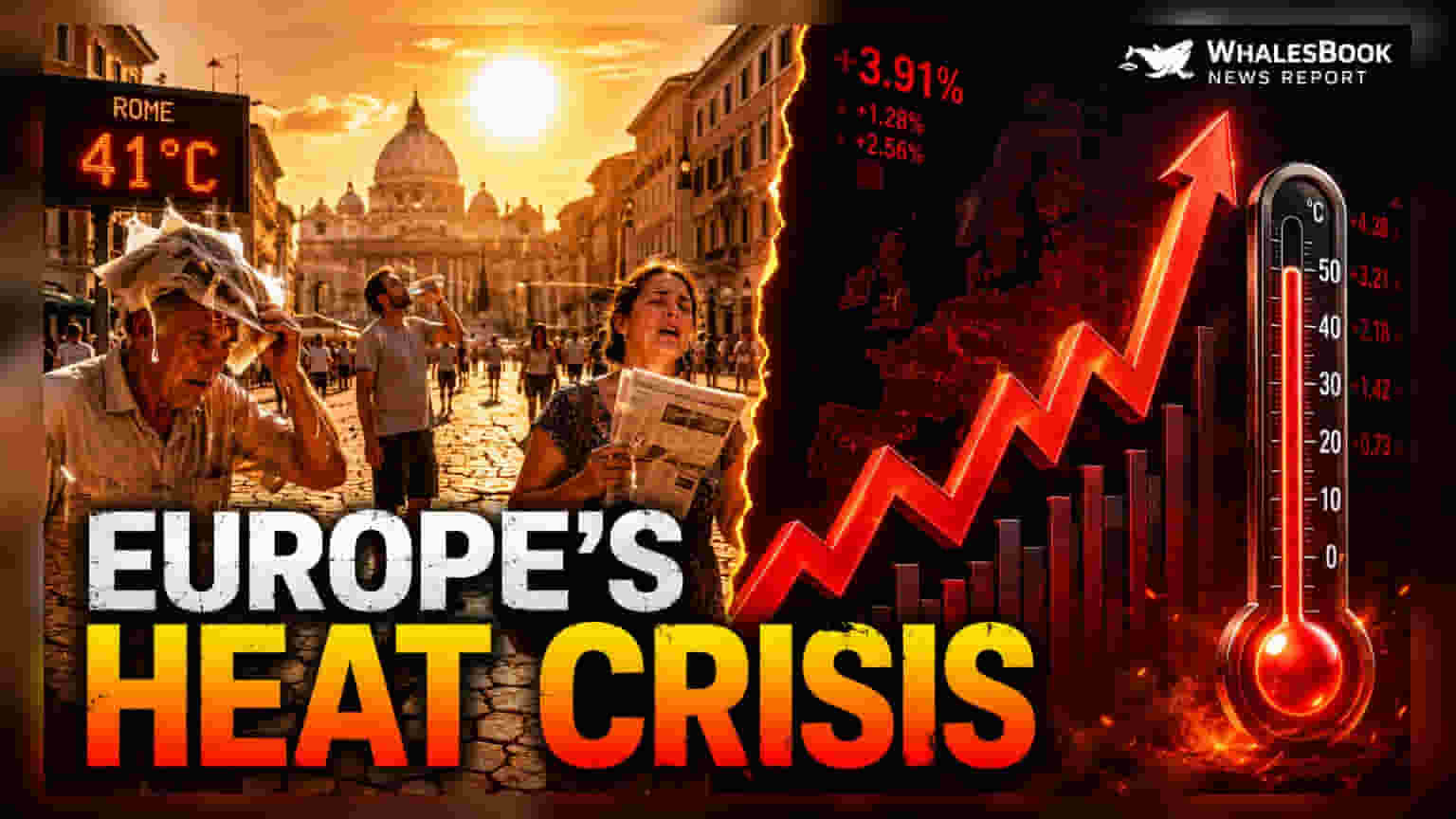
A record-breaking June heatwave across Europe has led to an estimated 20,390 excess deaths between June 22 and June 28, 2026. This climate crisis is exposing critical infrastructure gaps in a region historically built for cooler temperatures, creating immediate pressure on retail supply chains for cooling equipment.
What Happened
Between June 22 and June 28, 2026, a severe heatwave swept across Europe, causing record-breaking temperatures that overwhelmed local infrastructure. Preliminary assessments indicate a significant human impact, with researchers estimating approximately 20,390 excess deaths across the continent during this one-week period. Significant fatalities were recorded in France, Spain, and the United Kingdom. Public health authorities and researchers are currently correlating regional mortality rates with extreme temperature data to finalize these figures, while the World Health Organization has linked numerous deaths directly to the intense heat conditions.
Impact on Retail and Infrastructure
The intensity of this heatwave has created an immediate surge in consumer demand for cooling products, such as portable air conditioning units and table fans. Major European retail chains and e-commerce platforms have reported widespread stockouts of these items. This sudden demand spike highlights a broader structural vulnerability in European cities, where building designs and infrastructure were historically optimized for cold climates rather than extreme, prolonged heat. The inability of supply chains to meet this rapid surge in demand underscores a mismatch between current retail inventory preparedness and the reality of shifting climate patterns.
Why This Matters for Investors
The persistent nature of these extreme weather events is forcing a re-evaluation of infrastructure spending across the European Union. Investors are tracking how local governments and private firms may prioritize capital spending toward climate-resilient construction, energy-efficient cooling technology, and grid modernization to manage peak power loads. Companies involved in the manufacturing of cooling systems, building insulation, and energy management software may face shifting demand environments. Additionally, the recurring nature of these heatwaves poses a long-term risk to labor productivity and operational costs in sectors heavily reliant on outdoor work or sensitive environmental conditions.
Climate Risk and Economic Stability
Climate scientists note that the intensity and duration of these heat events have escalated due to long-term climatic shifts. The increasing frequency of such events creates a growing gap between climate predictability and societal readiness. For the European economy, this creates a potential for increased insurance premiums, higher health-related costs, and the need for significant public investment to retrofit urban areas. The economic impact is not limited to retail; it extends to agricultural yields and logistics, as transport and power grids face repeated pressure during peak summer months.
What Investors Should Track
Key areas for investors to monitor include potential changes in European government regulations regarding building codes and energy efficiency standards, which may mandate new investments in cooling and insulation. Market participants will also be watching the supply chain performance and inventory management strategies of major European retail and consumer electronics companies as they adjust to the new reality of climate-driven demand spikes. Finally, the long-term impact of these heat-related health issues on regional labor markets and insurance sector liabilities remains a critical monitorable for broader economic stability.