

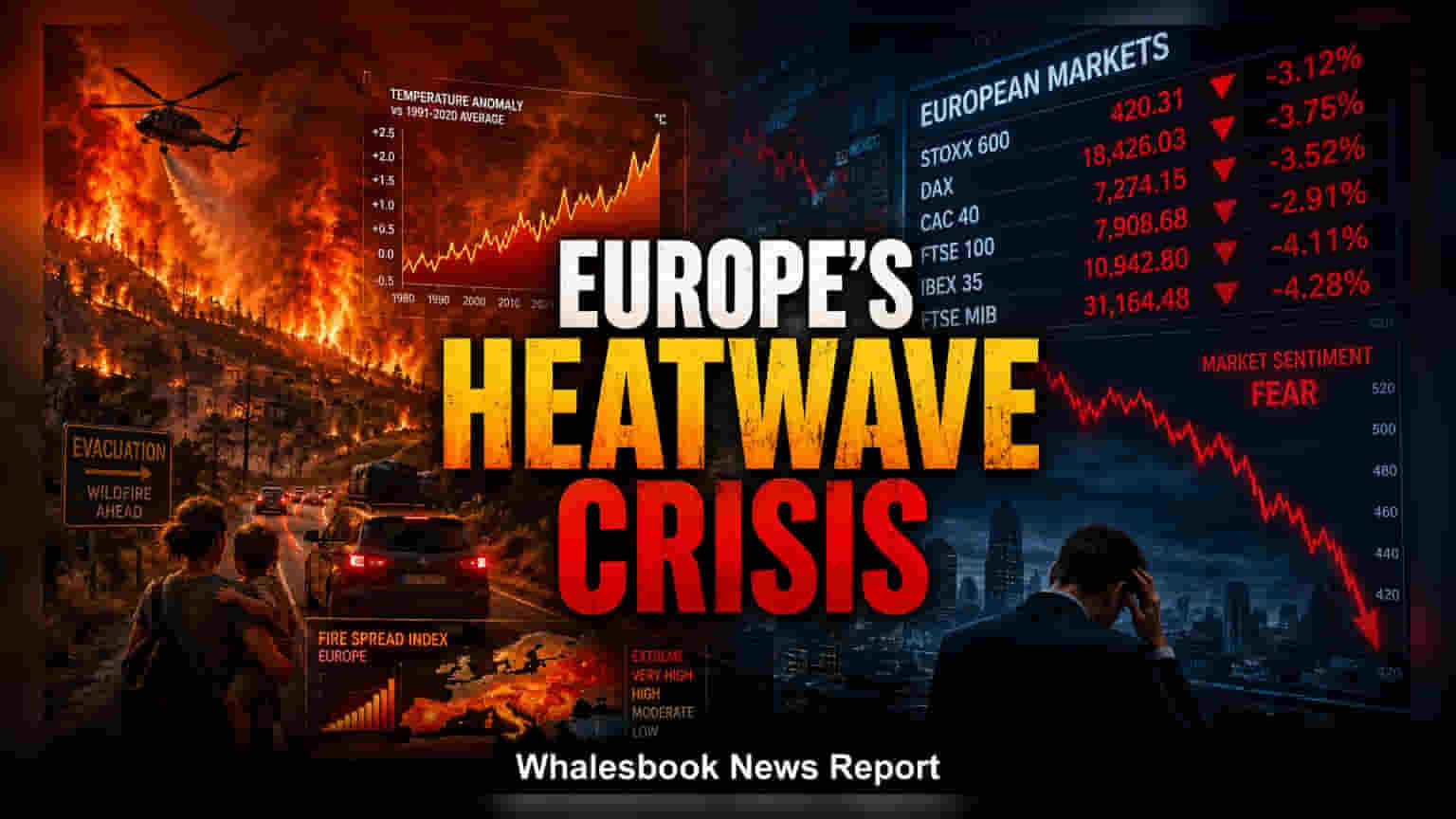
Record temperatures and widespread wildfires are causing severe strain across Europe, forcing evacuations and damaging infrastructure. French utility giant EDF has shuttered six nuclear reactors to manage the extreme heat, highlighting the vulnerability of energy grids to climate volatility.
The ongoing heatwave in Europe is impacting critical infrastructure as governments and utility companies struggle to maintain operations amidst record-breaking temperatures and wildfires. The event has reached a critical stage with the temporary closure of six nuclear reactors in France. Electricite de France (EDF), the country’s state-backed utility, confirmed the shutdowns, citing the combined pressure of extreme ambient heat and low river water levels, which are essential for reactor cooling systems.
While EDF has stated that the closures have had minimal impact on overall electricity production and do not pose a safety risk, the move highlights the sensitivity of Europe’s power infrastructure to climate-related stresses. Power markets across the continent remain on high alert as demand for cooling competes with supply constraints caused by these unplanned operational changes.
The environmental and physical damage from the wildfires is also significant. Across France, the UK, Spain, Germany, and parts of the Balkans, thousands of residents have been forced to evacuate, and residential properties have been destroyed. In the UK, which recorded temperatures as high as 38.1°C, property damage has been extensive, particularly in areas like Stourbridge. Such events often lead to increased pressure on the insurance sector, as claims for property destruction and business interruption rise following widespread natural disasters.
Beyond energy and insurance, the broader European economy faces risks related to agriculture and water management. With several regions experiencing their driest conditions in years, concerns are growing regarding agricultural output, which could influence regional food prices and supply chains. In countries like the Netherlands and parts of Germany, water shortages are already impacting daily operations.
For investors and analysts observing global markets, the situation highlights the increasing cost of climate-linked disruptions. The ability of utility companies to manage grid stability, the resilience of property assets, and the stability of supply chains during extreme weather are becoming key metrics for risk assessment. Market observers will continue to monitor the duration of the heatwave, the speed at which affected nuclear capacity can return to service, and the potential for long-term insurance and operational cost adjustments across the European corporate sector.