

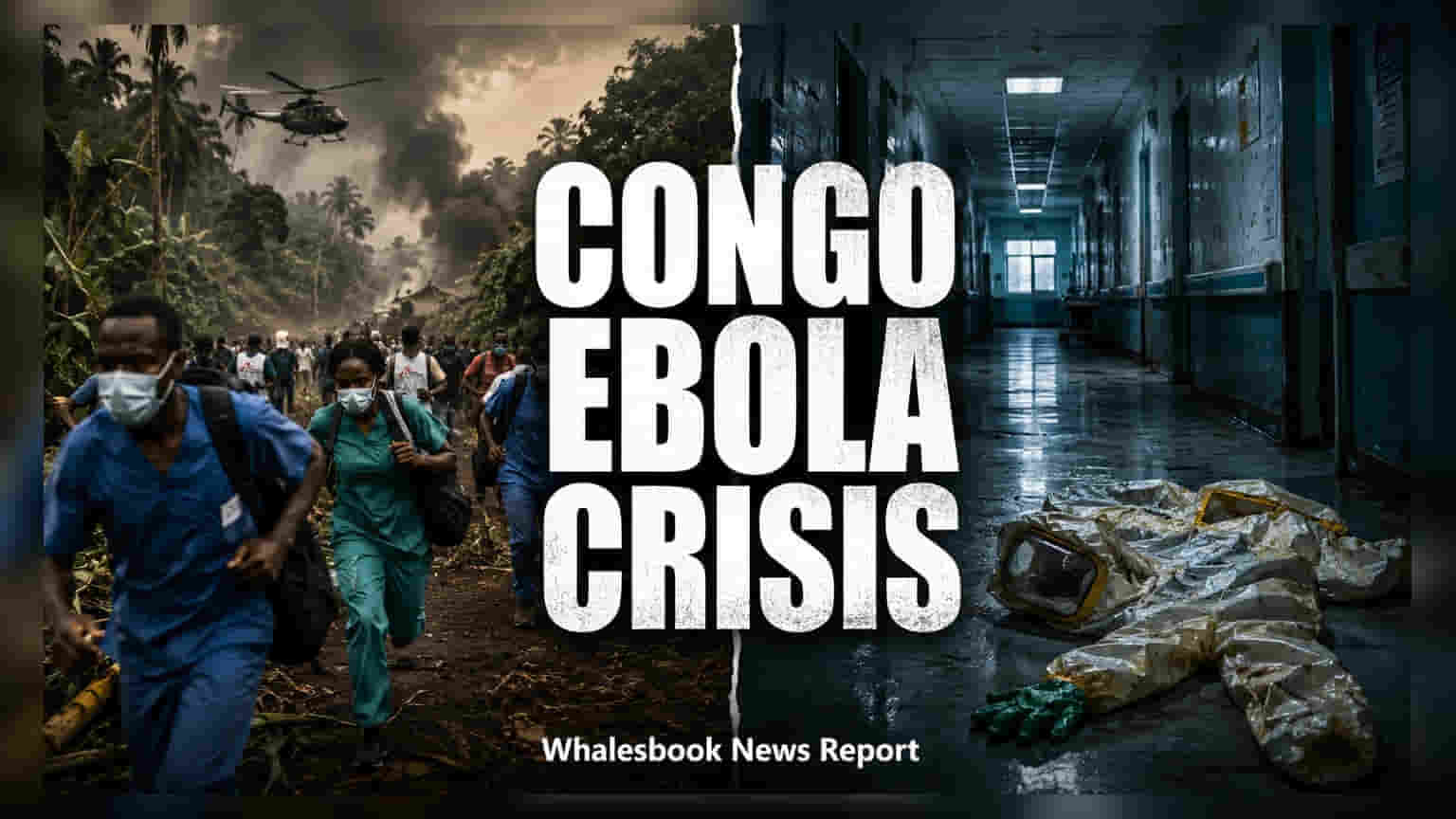
The Ebola outbreak in the Democratic Republic of Congo has reached 2,181 cases with 864 deaths, as violence and labor strikes disrupt health operations. Health workers are fleeing affected regions, significantly raising the risk of further virus transmission and complicating containment efforts.
The ongoing Ebola outbreak in the Democratic Republic of Congo is facing a critical turning point as safety and operational challenges threaten to derail containment efforts. With confirmed cases reaching 2,181 and the death toll climbing to 864, the response mechanism is struggling to function effectively due to a combination of community violence, security threats, and internal labor disputes.
Operational Disruptions and Health Worker Exodus
Regional authorities have reported at least a dozen attacks directed at health facilities and medical personnel. These incidents have created a climate of fear, leading to a significant migration of aid workers from remote, high-risk zones toward more secure urban areas like Bunia. This withdrawal of trained professionals is particularly concerning, as over 90% of the total reported cases are concentrated within the Ituri province. The departure of these teams leaves many rural communities without access to essential medical monitoring or rapid response services.
Challenges in Transmission Control
Containment efforts are further hindered by deep-seated tension regarding local customs. Health authorities have implemented strict protocols for the handling of deceased individuals to prevent the spread of the virus. These regulations, which limit traditional funeral practices such as the washing of bodies, have become a primary source of friction between response teams and local communities. Angry mobs have targeted both treatment centers and the specialized teams tasked with conducting safe burials, creating dangerous conditions that frequently require workers to retreat from the field.
Impact of Labor Strikes and Resource Gaps
Beyond external security threats, the internal structure of the response is facing pressure from a strike organized by personnel protesting unpaid salaries. This disruption has further paralyzed operations in the regions most severely impacted by the virus. United Nations representatives have expressed alarm over the situation, warning that the combination of staff shortages and restricted access to medical facilities could lead to an acceleration of transmission rates. As aid organizations assess the safety of their personnel, the ability to maintain consistent, high-quality care for those infected remains the most significant challenge for local and international health agencies. Investors and observers of global public health policy will be tracking whether regional authorities can restore security and settle labor grievances to prevent a wider humanitarian crisis.