
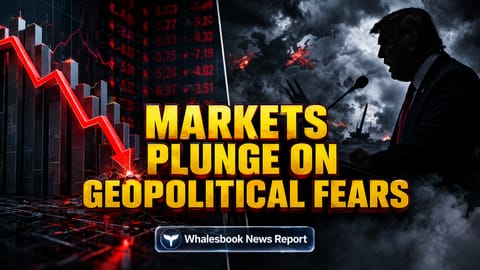
The financial markets showed a sharp sensitivity to geopolitical events on April 2, 2026, as futures plunged amid escalating tensions. This rapid move suggested investors were prioritizing immediate risk reduction over long-term valuations, a common pattern in uncertain times.
Tensions Trigger Sell-off
On April 2, 2026, futures tracking the Dow Jones Industrial Average fell about 450 points in early trading. The decline was due to rising Middle East tensions and strong rhetoric from President Trump on Iran. This signaled a shift to risk aversion amid fears of oil supply disruptions and regional instability. S&P 500 and Nasdaq futures also dropped, showing widespread market concern.
Analysis: Past Reactions and Sector Moves
Markets often react sharply to strong geopolitical statements, sometimes overreacting initially. Similar US-Iran tensions have usually caused short-term volatility, with futures recovering after de-escalation or diplomatic reassurances. But persistent inflation concerns and sensitive supply chains could worsen these reactions. Energy stocks may attract investor interest due to supply disruption fears, but overall market sentiment is fragile. Analysts generally advise caution, suggesting portfolio diversification and hedging. Some see buying chances if the situation quickly stabilizes.
Underlying Risks: Economy and Speculation
The sharp market drop raises questions about whether sentiment is driven by rhetoric or actual events, and if it exposes economic weaknesses. Extended geopolitical risk could worsen inflation, especially for energy and commodities, posing difficult policy choices for central banks. While sectors like defense or energy might see short-term gains, the broader economy could suffer from lower consumer and business confidence, reduced investment, and ongoing supply chain issues. Futures trading can amplify sell-offs, creating a self-fulfilling prophecy unless stabilized by geopolitical calm or clearer economic outlooks.
Looking Ahead: Navigating Uncertainty
Market futures will likely track diplomatic progress and any actions or reactions between involved parties. The initial caution and risk aversion will give way to how long and severe the tensions are perceived to be. Investors will watch for any signs of de-escalation or escalation, which could mean continued pressure on stocks and longer-lasting volatility.