

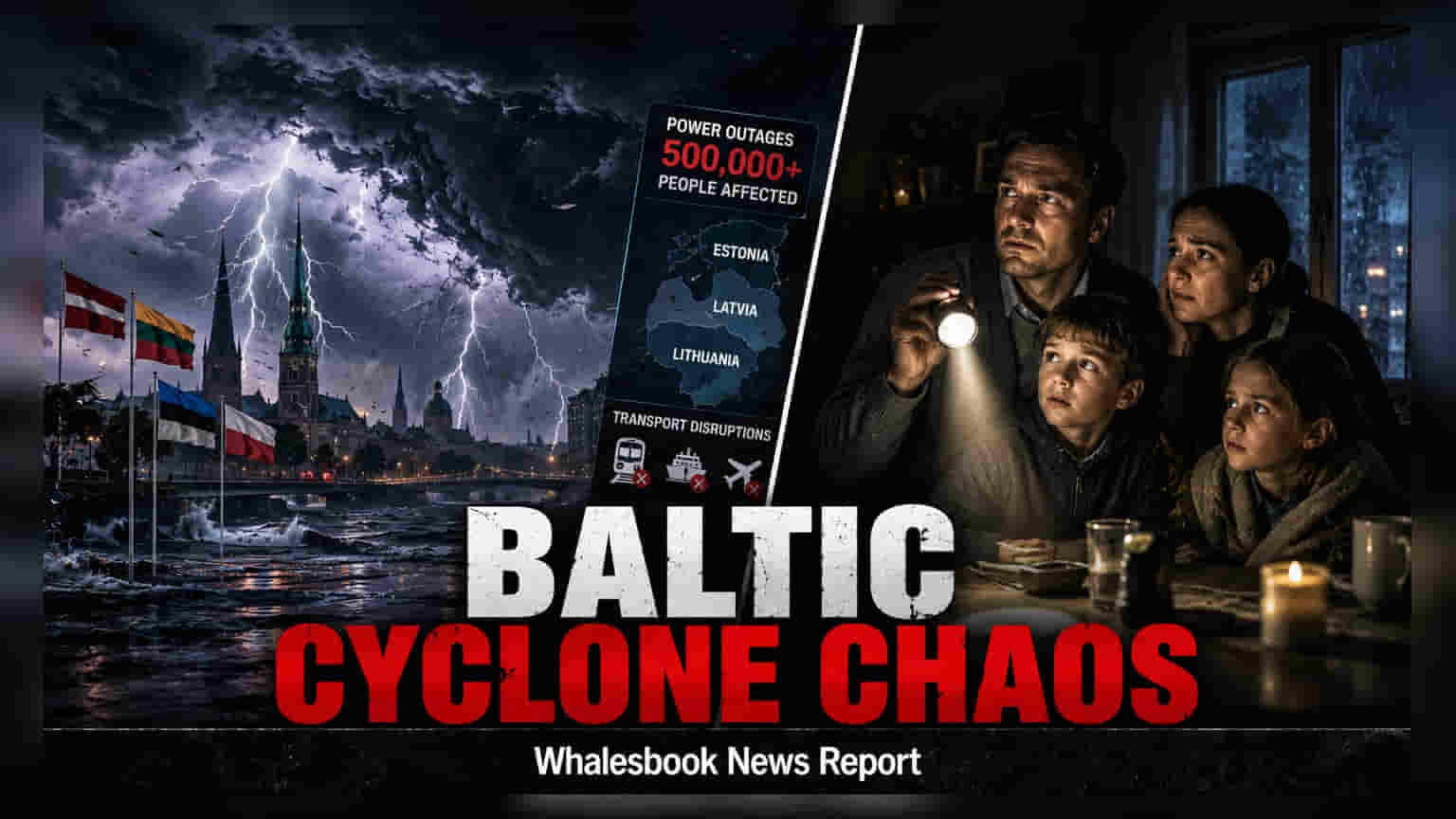
A powerful cyclone has caused severe destruction across Latvia, Lithuania, and Estonia, leaving over 500,000 residents without electricity. The storm, which struck over the weekend of August 22-23, 2026, has significantly disrupted transport and communication networks, marking the region's most intense weather event since 2005.
A intense cyclone swept through the Baltic region over the weekend, resulting in at least two fatalities and widespread infrastructure damage. The storm, which moved across Latvia, Lithuania, and parts of Estonia and Poland, knocked out power for more than 500,000 people. This weather event has been characterized by officials as potentially the most severe to hit Latvia in over two decades, drawing comparisons to the storm that affected the region in 2005.
Impact on Infrastructure and Transport
The storm brought high winds and heavy rainfall, which severely affected local transport and communication systems. In Latvia, wind speeds were recorded at over 67 mph in the capital, Riga. A building collapse in the city of Jelgava resulted in one death, while a separate incident in Lithuania involving a falling tree caused the second fatality. Rail services, ferry routes, and air travel faced significant disruptions. Specifically, Riga Airport warned of flight delays and potential reroutes due to the dangerous conditions, and trees falling onto roads caused traffic chaos across the region.
Regional Context for Investors
While the destruction has been significant for the Baltic states, this event is primarily a regional infrastructure and climate matter. For Indian investors, it is important to note that this is a localized disaster. There is no direct, verified impact on Indian listed companies, as the region’s economic footprint in the Indian stock market is minimal.
However, large-scale climate events in Europe can sometimes influence global logistics or specific insurance and reinsurance sectors if major multinational firms with significant regional exposure are involved. In this case, the primary concern remains the immediate humanitarian and reconstruction effort. The main monitorable for global observers will be the speed of utility restoration and the official assessment of the economic damages once the storm fully subsides.
Authorities in the affected nations expect weather conditions to stabilize by Monday, allowing for repair crews to begin the process of restoring power to the thousands still in the dark. The situation will continue to be monitored by regional authorities as they assess the full extent of the damage to public property and the economy.