

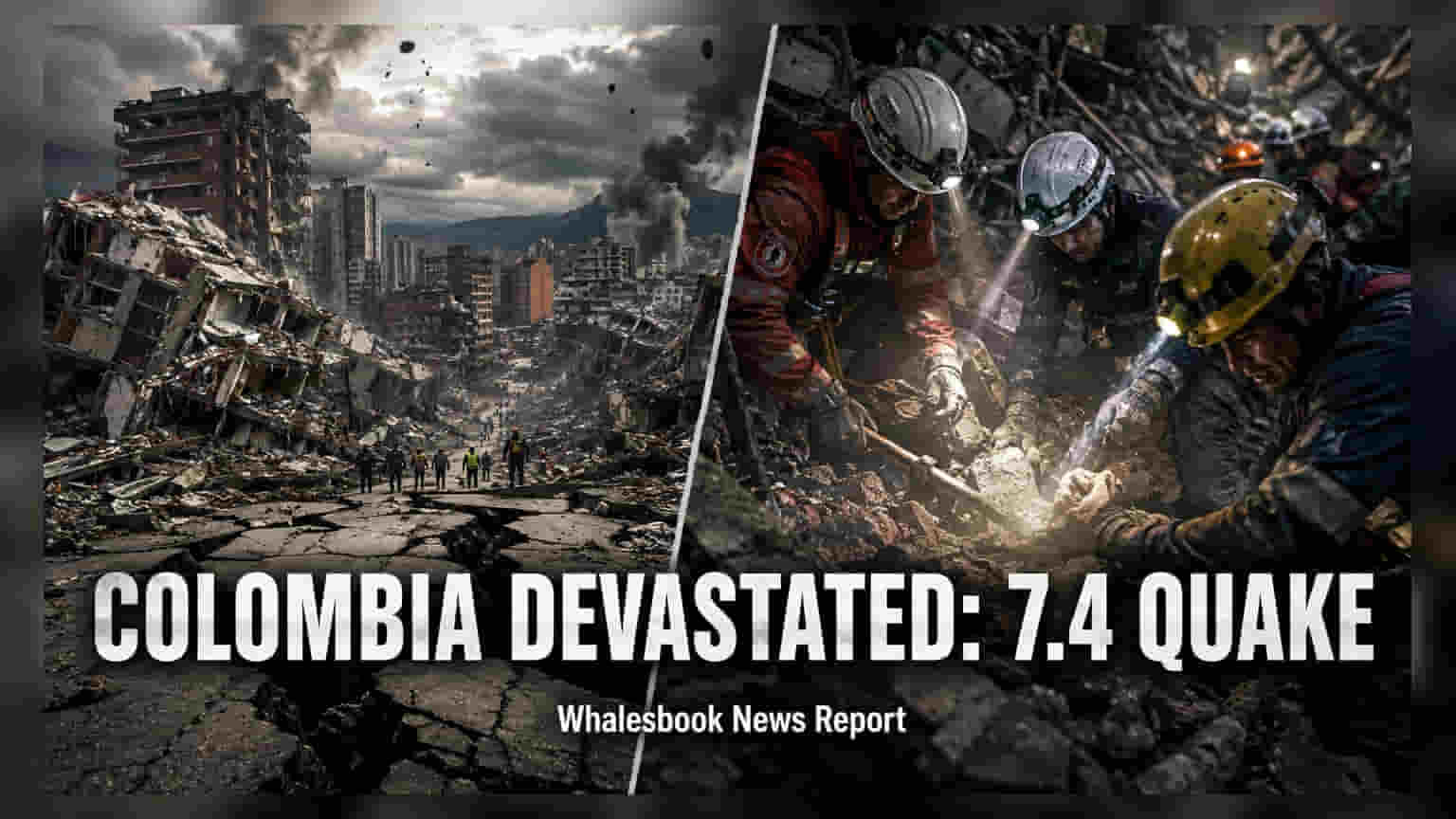
A powerful 7.4 magnitude earthquake struck western Colombia, claiming at least 111 lives and causing severe structural damage in the Chocó and coffee-growing regions. The disaster has prompted a state of emergency, with analysts monitoring potential supply chain disruptions and the fiscal burden on the new administration.
A massive 7.4 magnitude earthquake rocked western Colombia on August 10, 2026, leading to a humanitarian crisis and significant infrastructure damage. The seismic event, centered near San José del Palmar in the Chocó region, has resulted in at least 111 confirmed fatalities, with hundreds more injured and thousands reported missing. The tremor was strong enough to be felt in neighboring countries, but the physical destruction is concentrated within Colombia.
Cities such as Pereira, Cali, and Manizales have reported extensive damage to buildings, hospitals, and critical infrastructure. In Manizales, a city known for its role in the national coffee industry, structural failures—including a partial collapse of a cathedral—have been reported. The earthquake has forced the suspension of operations at seven regional airports, creating immediate logistical hurdles for emergency services and transport of goods.
The impact extends beyond the immediate human tragedy. The earthquake hit key regions that are integral to Colombia’s commodity output, including parts of the coffee-growing belt. Global commodity markets often monitor major producers for supply chain stability. While assessments are ongoing, logistics and transport infrastructure in these rugged, mountainous regions are notoriously difficult to manage, which may lead to temporary disruptions in regional distribution networks.
This disaster marks a difficult start for newly inaugurated President Abelardo de la Espriella. Having declared a national state of emergency, the administration now faces the immediate pressure of deploying disaster relief funds. This comes at a challenging time for the national budget, as the government had previously committed to a program of austerity and fiscal deficit reduction. Economic observers will track how the administration balances the urgent, unplanned spending required for recovery with its stated long-term fiscal goals.
The immediate risks include the ongoing threat of aftershocks, which may destabilize structures already weakened by the primary earthquake. Additionally, the Chocó region is among the country’s more rural and economically vulnerable areas, which may complicate the reach of aid and the speed of reconstruction. Market observers and global aid agencies are watching the speed of the government's response and the resilience of essential infrastructure as the country enters a critical recovery phase.