

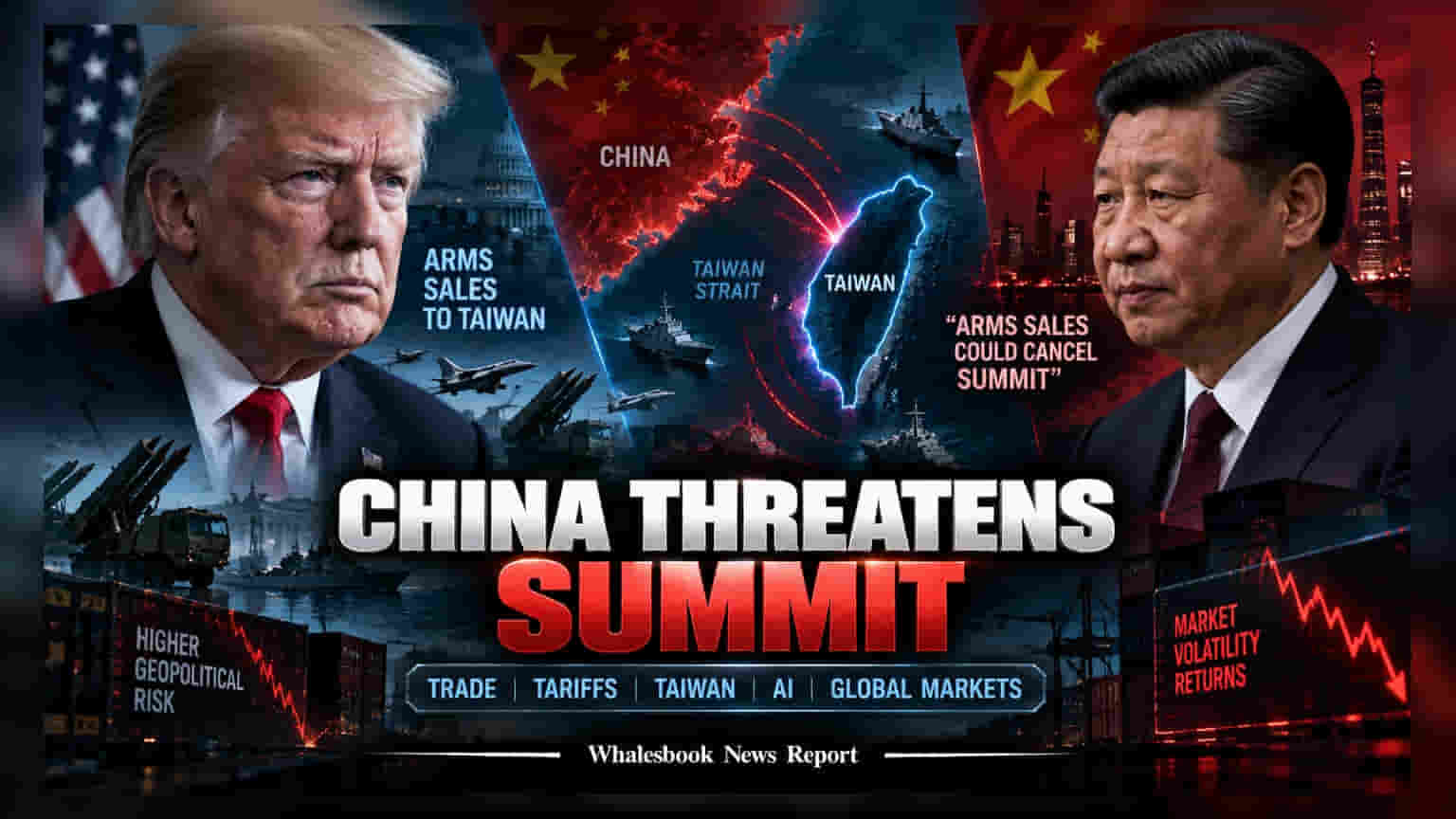
Beijing has signaled that the planned September 24 summit with the U.S. may be cancelled if new arms sales to Taiwan proceed. The dispute over the island remains a major diplomatic red line, threatening potential trade tariff talks and global economic cooperation negotiations between the two nations.
China has put the upcoming September 24 summit between President Donald Trump and President Xi Jinping at risk. The Chinese government has issued a clear warning that moving forward with new arms sales to Taiwan could lead to the cancellation of this high-profile meeting. For Beijing, the status of Taiwan is the primary red line in its relations with Washington, and officials have consistently stated that any escalation regarding the island jeopardizes bilateral cooperation.
The friction is driven by differing security approaches. The United States continues to supply Taiwan with defensive equipment under the 1979 Taiwan Relations Act, while China views these actions as a violation of its sovereignty. President Trump has previously used the prospect of such arms packages as leverage in broader negotiations, but this strategy has repeatedly proven to be a major source of tension.
For global investors, the uncertainty surrounding this summit carries weight beyond diplomatic protocol. The meeting was intended to address critical economic issues, including a potential framework to lower tariffs on $30 billion worth of goods traded between the two countries. Any breakdown in communication could derail these discussions, leading to continued uncertainty in global trade policy.
Beyond tariffs, both nations are also slated to discuss artificial intelligence safety, an area where regulatory and technological competition is intensifying. The outcome of these talks is significant for the tech sector, which remains sensitive to cross-border regulations and supply chain shifts. While China has not formally confirmed President Xi’s attendance, officials remain engaged in ongoing dialogue regarding these economic and technological fronts.
The primary risk for investors in this situation is increased market volatility. Geopolitical tensions between the world's two largest economies often trigger caution in global equity markets and can affect supply chains that rely on stability between the U.S. and China. If the summit is cancelled or significantly downgraded, it may dampen market sentiment regarding future trade agreements or de-escalation efforts.
The next important developments to monitor include any official announcement regarding the specific arms sale package in Washington and official confirmation of President Xi’s travel plans for the September 24 date. These updates will likely dictate the tone of the bilateral relationship in the coming months.