 Whalesbook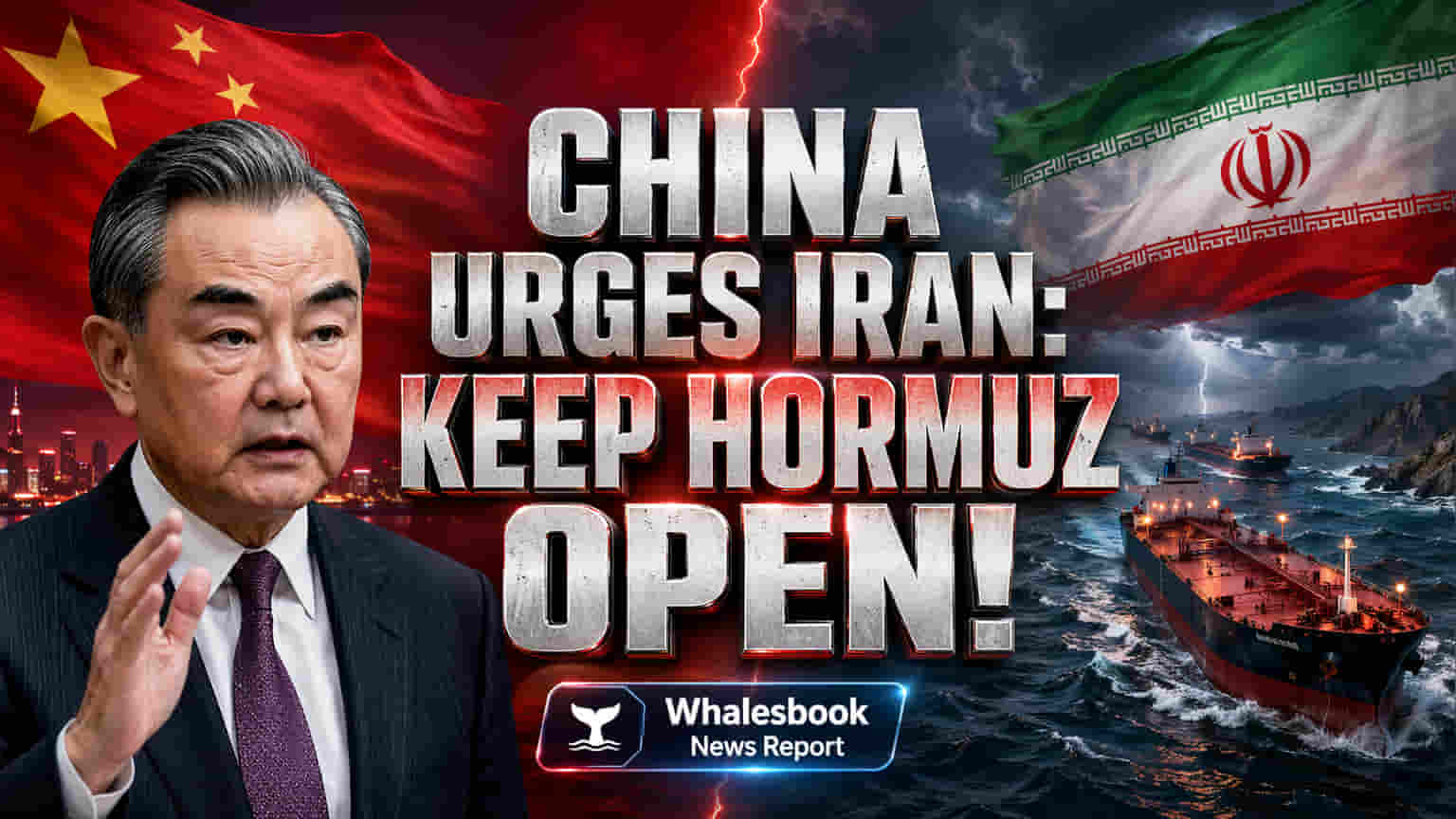


Hormuz: A Vital Energy Route Under Strain
The Strait of Hormuz, a narrow waterway between Iran and Oman, is the world's most crucial passage for oil transit, carrying roughly 20-25% of global oil supplies daily. Recent military escalations and a U.S. naval blockade have disrupted tanker traffic, sending shockwaves through the energy market. Oil prices have reacted sharply, with Brent crude surging and analysts expecting continued volatility due to supply disruption risks. These disruptions directly affect Asian economies, the primary buyers of Persian Gulf oil. The U.S. blockade aims to cut off Iran's revenues, potentially removing up to two million barrels per day from global markets.
China's Focus on Energy Security
Beijing's direct appeal to Tehran marks its first explicit request for guaranteed safe passage through the Strait. This proactive stance is driven by China's significant dependence on Middle Eastern energy, with about 53% of its crude oil imports coming from the region. The Strait is also vital for China's Belt and Road Initiative trade routes. The move shows China evolving from a passive energy consumer to an active stakeholder in regional security, aiming to balance its support for Iran's sovereignty with its need for unimpeded international navigation. China has historically maintained strong ties with Middle Eastern nations and conducted joint naval exercises to protect its economic interests, reflecting a long-term strategy for securing its global supply chains.
Global Market Impacts and Other Nations' Actions
The conflict and blockade's effects extend beyond crude oil, pushing up prices for natural gas, gasoline, and jet fuel, which increases transportation and industrial costs globally. Companies in sectors like fertilizers, reliant on transit through the Strait, face supply chain fears and price fluctuations. While countries like Japan and South Korea have sent naval assets to protect their shipping, China's diplomatic approach offers a distinct strategy, using its economic influence instead of military force.
Ongoing Risks and Challenges
Despite China's diplomatic efforts, fundamental geopolitical tensions remain unresolved, posing significant risks. The U.S. naval blockade creates uncertainty for all maritime traffic, potentially leading to unintended consequences and further market volatility. Failed peace talks highlight the difficulty in achieving lasting de-escalation, with disagreements persisting over Iran's nuclear program and regional security. For China, prolonged disruption threatens its economic growth and domestic stability, heavily dependent on imported energy. Beijing's ability to enforce its diplomatic stance is also limited compared to the U.S. military presence, placing it in a delicate balancing act. The market remains vulnerable to miscalculations or escalation, which could trigger further price surges, as geopolitical shocks have historically led to sharp, though sometimes temporary, price spikes.
Future Outlook
Analysts predict continued oil price volatility, with potential increases of $1-$15 per barrel depending on the duration and severity of Strait of Hormuz disruptions. Goldman Sachs noted that even partial closures or perceived risks can significantly impact market prices through heightened geopolitical premiums. The fragile ceasefire and lack of a definitive agreement in U.S.-Iran negotiations suggest market participants will remain vigilant, closely watching diplomatic developments and military actions in the region. The focus on China's role indicates expectations that Beijing will continue diplomatic pressure to secure its energy interests, even as the underlying conflict persists.