

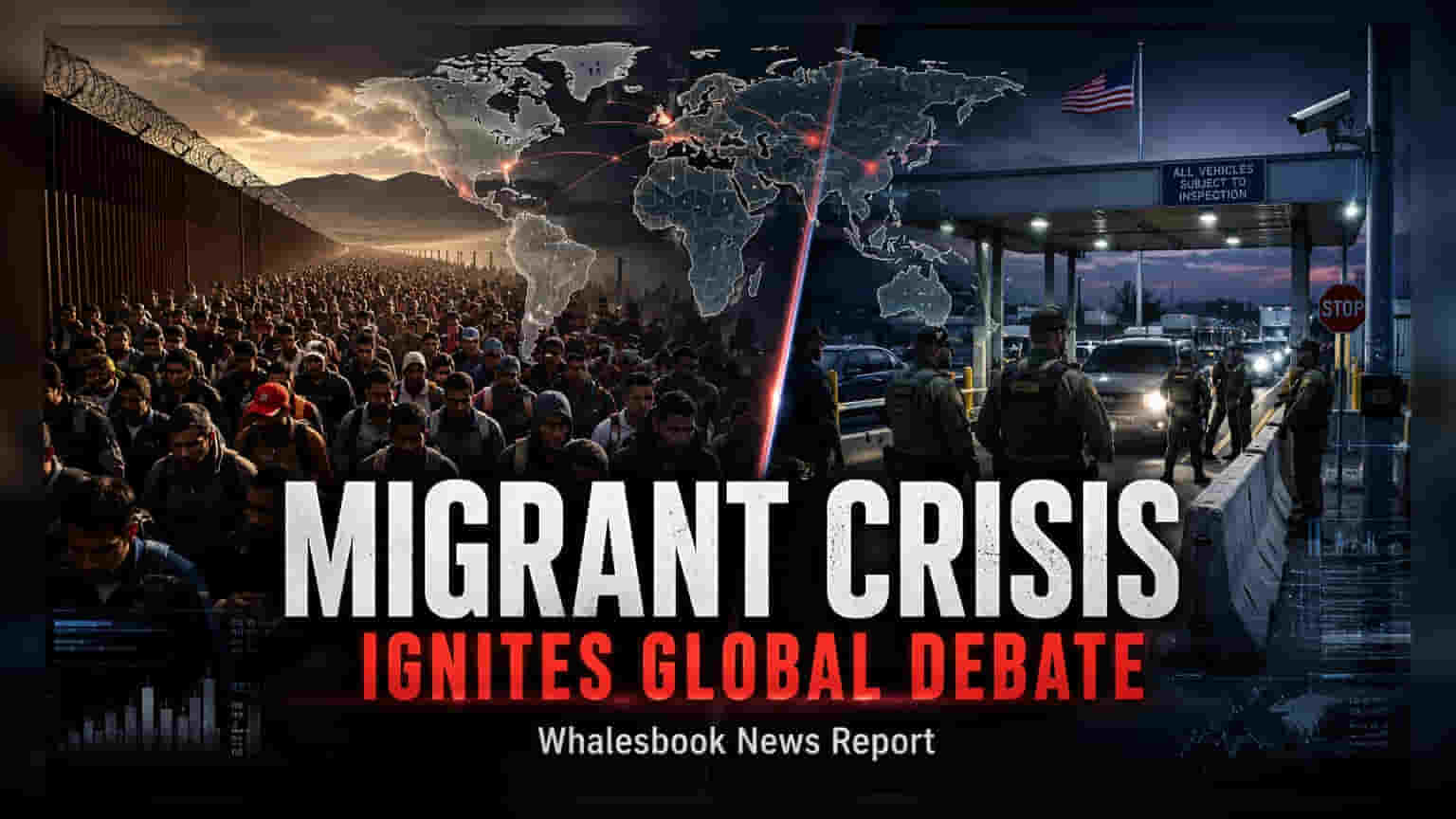
The surge of thousands into Spain's Ceuta enclave has triggered diplomatic friction and heightened regional instability. Investors are monitoring the situation for potential impacts on maritime trade routes near the Strait of Gibraltar, rising shipping insurance costs, and shifting European policy landscapes.
The recent influx of 60,000 to 80,000 migrants into Spain's North African enclave of Ceuta in early August 2026 has evolved from a humanitarian emergency into a significant geopolitical stress point. While the majority of individuals have returned, the event has resulted in 72 to 99 confirmed deaths and strained diplomatic relations between Spain, Morocco, and other European Union member states.
For financial markets and global investors, the primary concern lies in the regional stability of the Western Mediterranean. The enclave is situated in close proximity to the Strait of Gibraltar, a vital maritime chokepoint through which a significant portion of global trade, energy supplies, and commercial shipping passes daily. Prolonged diplomatic friction or security lapses in this area can lead to increased operational risks for logistics companies and international shipping lines.
Potential Impact on Trade and Insurance
Geopolitical instability in the Mediterranean often translates into higher costs for the shipping industry. If regional tensions persist, market analysts note the possibility of rising war-risk insurance premiums for vessels traversing the Strait of Gibraltar. Any disruption to traffic flow, even if minor, can create ripple effects in global supply chains, particularly for goods moving between the Atlantic and the Mediterranean. Investors in the logistics and maritime transport sectors should monitor whether this crisis leads to increased security patrols or stricter regulatory oversight, both of which could influence shipping schedules and overhead costs.
European Political Climate and Policy Risks
The crisis has also intensified political polarization within the European Union. Criticism directed at Spain’s management of the influx reflects broader divisions among EU nations regarding migration policy and border security. This political tension could influence future legislative debates, potentially leading to stricter trade policies or changes in cross-border cooperation frameworks. Investors focused on the European region may track whether this incident accelerates the adoption of more restrictive fiscal or migration policies, which could alter the operating environment for businesses reliant on open EU internal markets.
What Investors Should Monitor
While the immediate crisis is showing signs of stabilization, the lasting impact on regional diplomatic trust remains a key variable. The primary monitorables for the coming weeks include any shifts in shipping insurance rates for Mediterranean routes, official statements from the European Commission regarding border security funding, and any changes in the diplomatic posture between Spain and Morocco. As with any geopolitical event, market reactions are often driven by the risk of escalation rather than the immediate humanitarian impact, making the durability of current regional security measures the most important factor for investors to track.