

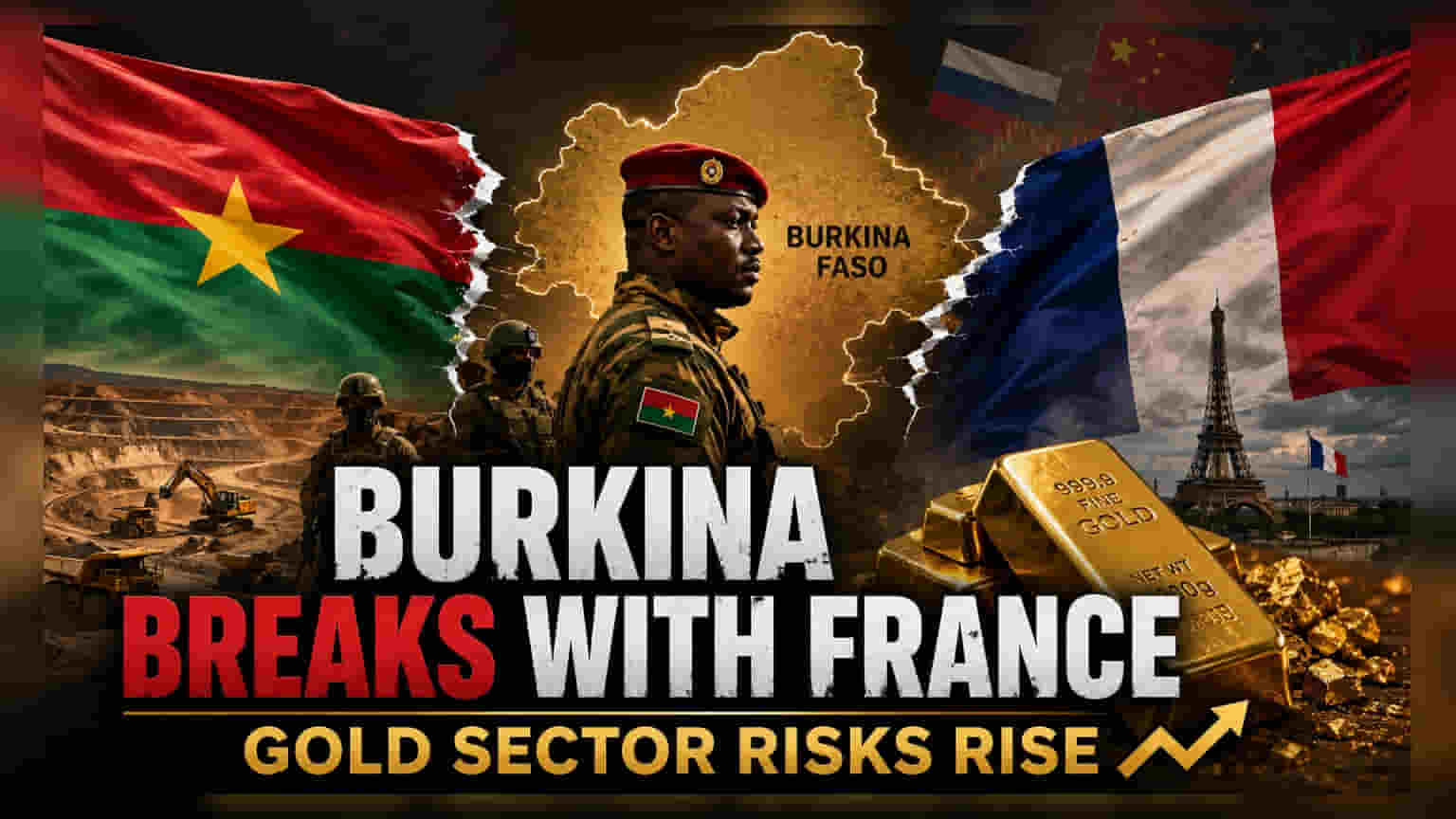
Burkina Faso has officially severed diplomatic relations with France, citing alleged interference while deepening its pivot toward Russia and China. This move creates uncertainty in the country’s gold-rich mining sector, which has recently seen increased state control. For Indian investors, the development highlights potential operational and regulatory risks for infrastructure and mining interests active in the West African region.
What Happened
Burkina Faso’s military government has announced the immediate termination of diplomatic relations with France, its former colonial power. The decision, broadcast on national television, marks a significant escalation in the nation's distancing from Western influence. The government accused Paris of harboring "neo-colonial ambitions" and alleged support for subversive groups threatening the country’s security. This diplomatic break is part of a broader strategy by the military leadership, in place since September 2022, to realign the nation’s partnerships toward Russia and China.
The Shift In Gold Mining Dynamics
For investors, the most critical economic aspect of this geopolitical shift is the impact on Burkina Faso's gold industry. The country is the fourth-largest gold producer in Africa, with production reaching a record 94 tonnes in 2025. Over the past year, the military government has aggressively moved to increase state ownership in the mining sector. Policies implemented since 2024 include rewriting mining codes to favor state-owned entities, reducing tax benefits for foreign corporations, and increasing oversight of industrial mining activities.
Analysts have described this trend as "resource nationalism." The government is actively reshaping ownership structures to ensure a larger share of mining profits stays within the country, often by taking direct ownership stakes in mines formerly run by international firms. Investors in the mining and commodities sector should note that the political environment is becoming increasingly complex for foreign-owned assets.
Implications For Indian Business Interests
India has established trade and commercial ties with Burkina Faso, with approximately 1,500 Indian nationals residing in the country. Indian businesses have a presence in sectors including cement manufacturing, pharmaceuticals, plastics, and infrastructure. Various Indian companies have engaged in mining exploration and infrastructure development over the years.
The current diplomatic and political shift poses potential risks to these operations. When a country pivots its alliances and increases state control over key economic sectors, it can lead to regulatory unpredictability, changes in contract enforcement, and operational hurdles for foreign firms. Indian companies involved in African infrastructure or mineral procurement may face a more challenging operating environment, where local partnerships and compliance with new state-driven mining codes become increasingly vital.
What Investors Should Track Next
Investors with exposure to West African mining, commodities, or infrastructure should monitor several key factors. First, the security situation in the Sahel region remains volatile, which can directly affect mining operations and supply chains. Second, any further changes to mining laws or fiscal policies will be crucial, as these directly impact the profitability of foreign-owned mining assets. Finally, observers will watch how the pivot toward Russia and China affects trade corridors and project funding in the region. Tracking these developments is essential for understanding the stability and long-term viability of business interests in the area.