

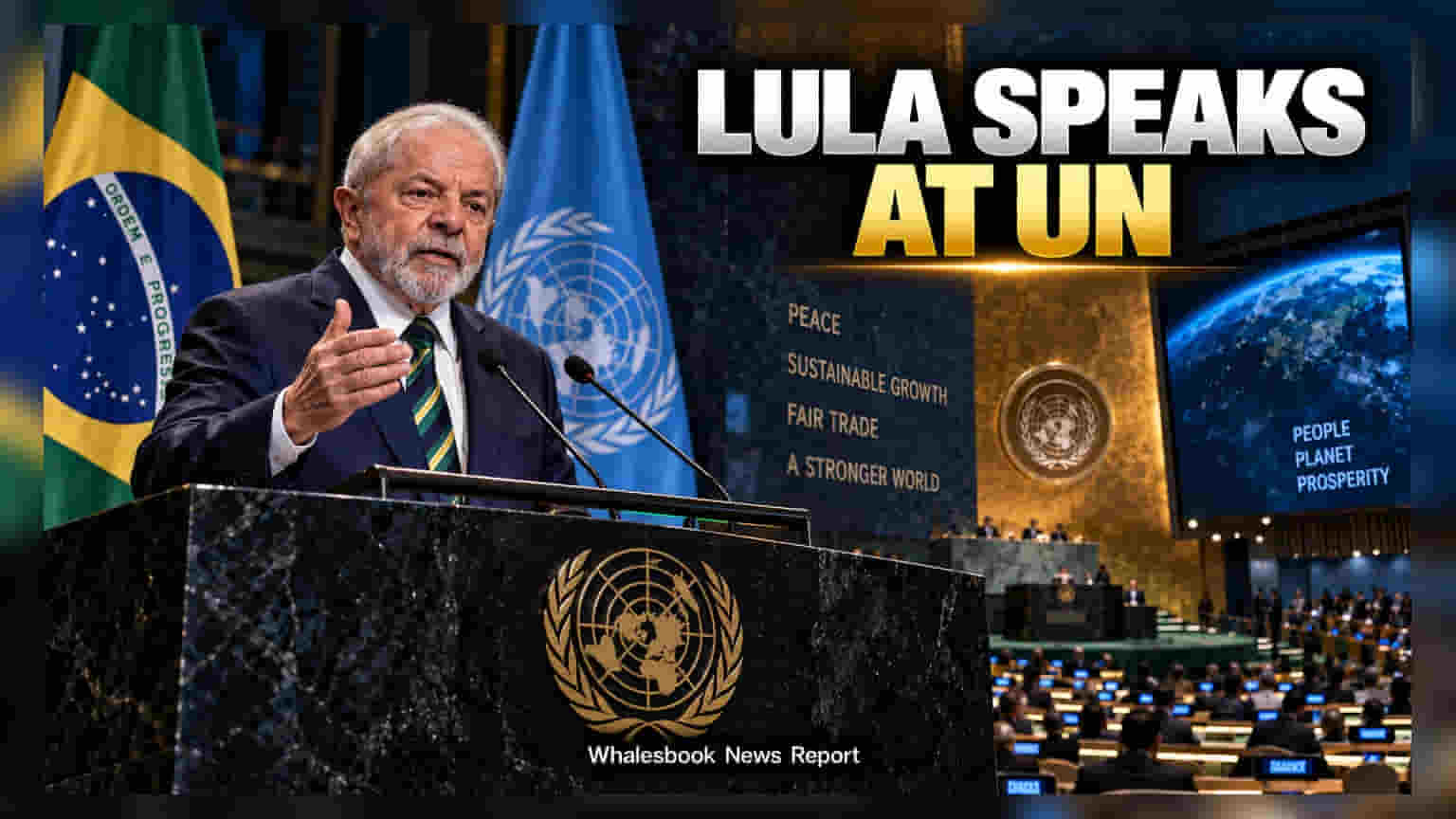
Brazilian President Lula announced record export growth despite US tariff pressure. This resilience highlights the importance of monitoring global trade barriers and geopolitical shifts for emerging market investors, as trade friction continues to impact international supply chains.
Brazilian President Luiz Inacio Lula da Silva recently shared that Brazil is on track to set a new export record for the year, signaling that the economy is maintaining momentum despite trade challenges with the United States. This update comes as global markets closely watch the trade relationship between the two nations, which has been strained by the implementation of new tariff measures. For investors, this export performance is an important indicator of the country's ability to navigate external pressure and sustain its core commodity-driven business model.
The Impact of Trade Barriers
The ongoing trade friction between the US and Brazil is largely driven by protectionist policies, which involve the use of tariffs to limit foreign competition or protect domestic industries. When large economies impose such trade barriers, it can disrupt global supply chains and increase costs for companies that rely on imported raw materials. Brazil is a major supplier of key commodities, including iron ore, soybeans, and sugar, to the global market. Any shift in how these goods are traded due to tariff policies can impact commodity prices, which in turn affects related sectors across emerging markets, including India.
While the Brazilian economy has shown resilience, the uncertainty surrounding these trade policies creates a complex environment for global investors. Tariff pressure can lead to lower profit margins for exporters if they are forced to reduce prices to stay competitive, or it can lead to higher costs for buyers. Tracking how Brazil manages these trade challenges is essential, as it provides insight into how other large emerging economies might fare under similar protectionist pressures.
Geopolitical and Market Context
Beyond trade, the broader geopolitical climate remains a point of concern for investors. At the recent United Nations General Assembly, discussions regarding the effectiveness of international bodies in mediating global conflicts—specifically in the Middle East and Ukraine—were at the forefront. Geopolitical instability often leads to market volatility, as investors tend to move capital toward safer assets when global tensions rise.
For investors monitoring these developments, the key is to observe how policy decisions and trade negotiations evolve. The ability of a nation to maintain export growth despite trade hurdles is a strong sign of business stability, but the risk of further trade restrictions remains a monitorable factor. Future updates to watch include any changes to US tariff policies, Brazilian export data for the upcoming quarters, and broader shifts in trade agreements between emerging market nations and their global partners. Investors should remain focused on how these macroeconomic factors influence the cost of goods and the overall health of international trade networks.