

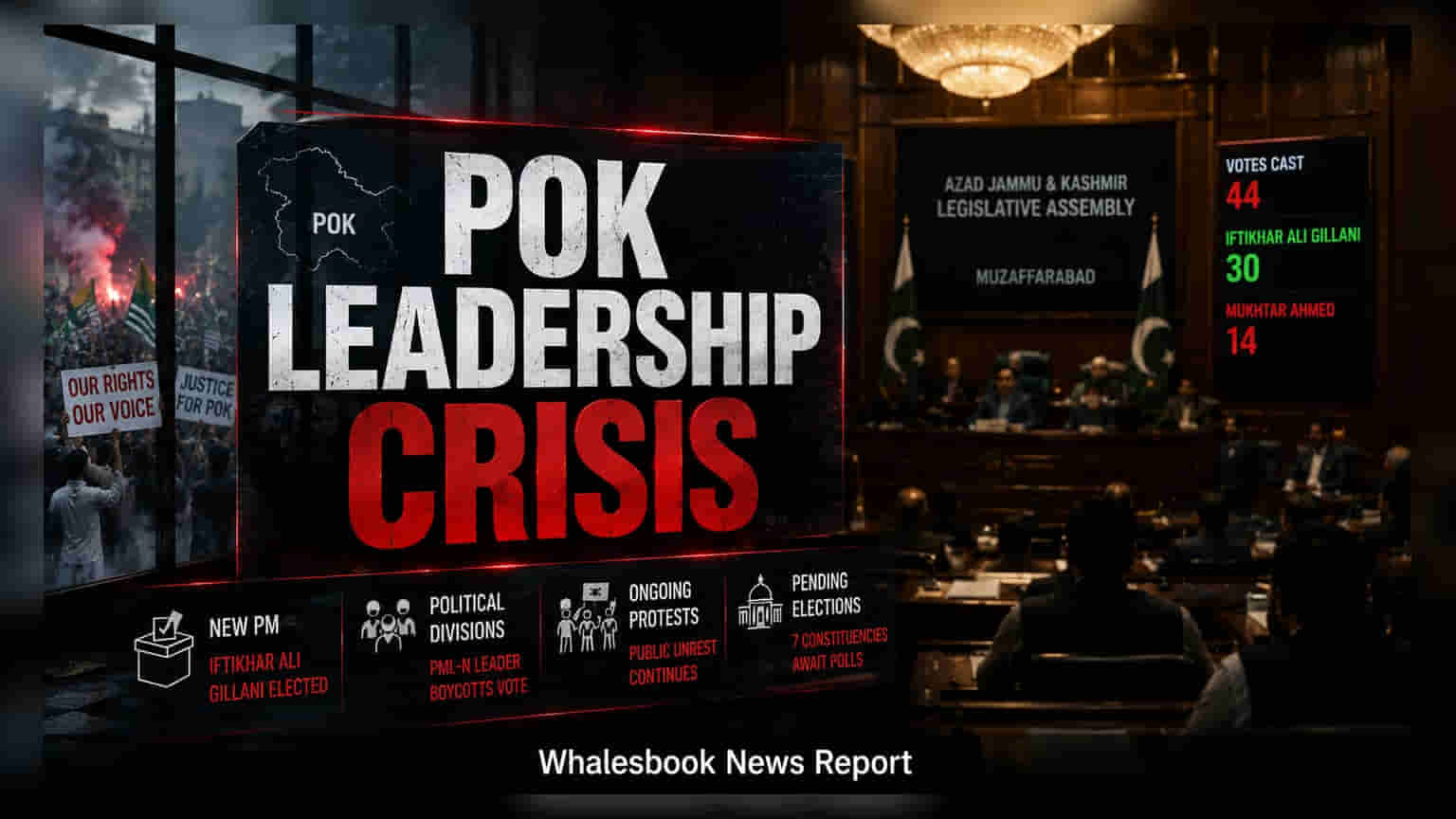
Barrister Iftikhar Ali Gillani of the Pakistan Muslim League-Nawaz has been elected Prime Minister of Pakistan-occupied Kashmir, securing 30 votes in the legislative assembly. The appointment follows ongoing political unrest and allegations of rigging, occurring after Gillani failed to win his own constituency in recent regional elections.
On Friday, Barrister Iftikhar Ali Gillani of the Pakistan Muslim League-Nawaz (PML-N) was elected as the Prime Minister of Pakistan-occupied Kashmir (PoK) by the legislative assembly. He secured 30 votes out of the 44 cast, defeating his opponent, Mukhtar Ahmed of the Pakistan Peoples Party, who received 14 votes.
The election session, held in Muzaffarabad, faced internal political friction. Notably, the PML-N regional president, Shah Ghulam Qadir, boycotted the vote due to disagreements with the party's leadership, highlighting the internal challenges facing the new administration.
The legitimacy of the election has been a point of contention. Gillani entered the legislative assembly through a reserved seat for technocrats after failing to secure victory in his direct constituency contest during the regional elections held in late July and early August. This path to power has fueled allegations of political manipulation.
The region has been grappling with significant instability for several months. Protests led by the Joint Awami Action Committee, which have been active since early June, have resulted in clashes and fatalities involving both civilians and security forces. The regional government previously declared the committee an outlawed organization, yet public demonstrations regarding governance and seat allocations for refugees have continued.
The current PoK legislative assembly is operating with reduced capacity. While the total assembly size is 53 seats, currently only 46 members are in place. Elections for seven constituencies in the Poonch and Sudhnoti districts remain pending due to persistent law and order challenges in those areas.
For regional analysts and observers, the next important update will be how the new administration manages the ongoing protests and whether it can proceed with holding the pending elections in the remaining constituencies. The focus remains on whether this leadership transition stabilizes the region or continues to face public resistance.