 Whalesbook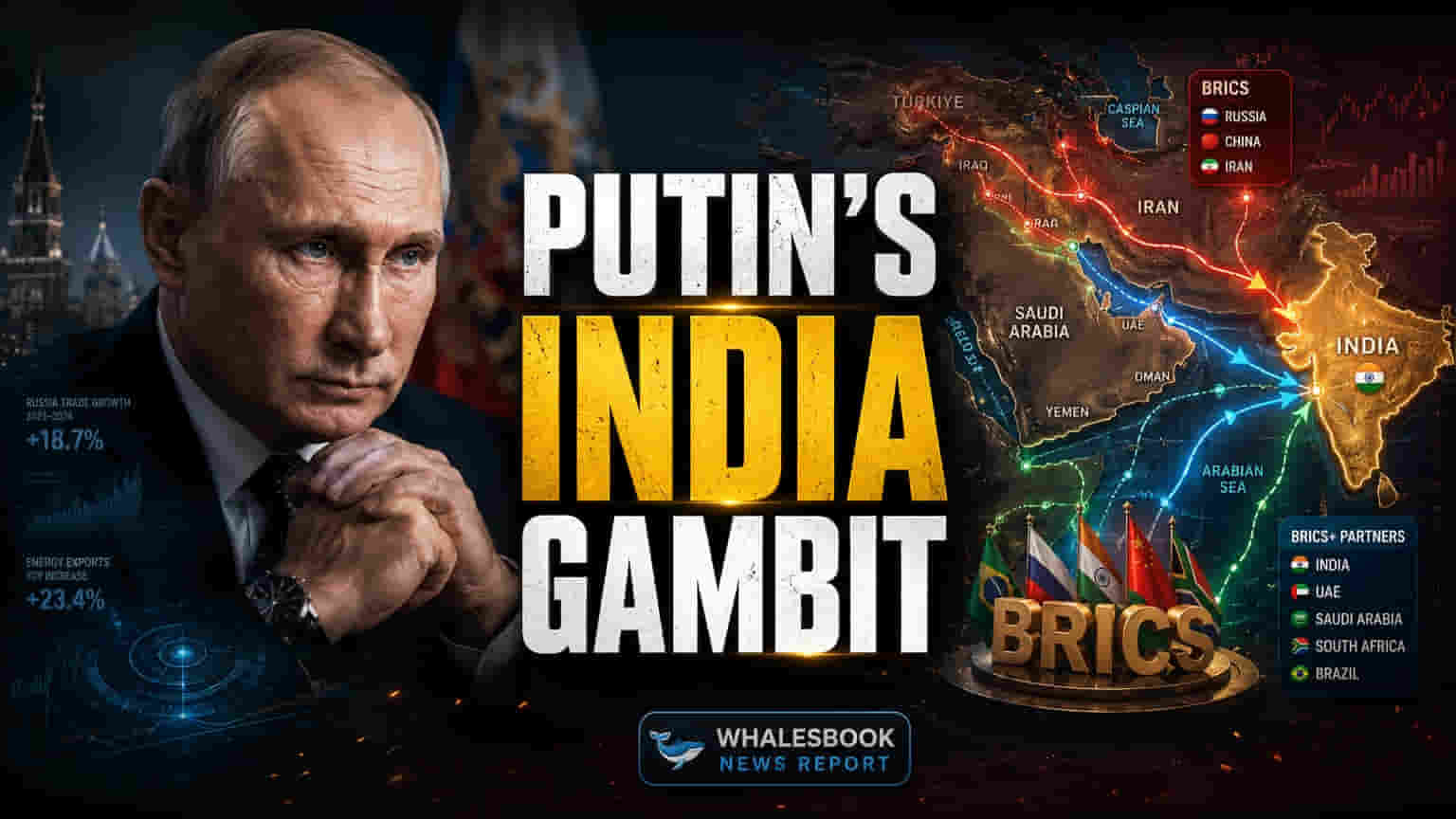


Diplomatic Challenges Ahead
The upcoming 18th BRICS Leaders’ Summit in New Delhi, scheduled for September 12-13, faces significant challenges due to escalating regional conflicts and internal bloc disagreements. President Vladimir Putin's participation highlights the event's importance, but Middle East tensions, especially the Israel-Hamas war, cast a long shadow over potential consensus. The bloc's recent Foreign Ministers' meeting revealed these fractures, preventing a joint declaration due to 'differing views' on the West Asia situation.
Navigating an Expanded Membership
BRICS has expanded to include Iran, Saudi Arabia, the United Arab Emirates, Egypt, Ethiopia, and Indonesia. This growth has broadened its scope but also amplified geopolitical complexities. Reports suggest that during the Foreign Ministers' gathering, Iran and the UAE had sharp exchanges regarding the UAE's diplomatic outreach related to the Gaza conflict. Disagreements reportedly focused on the UAE's engagement with Israel and its regional actions, directly hindering the bloc's ability to form a unified stance. This internal friction presents a substantial challenge for achieving meaningful outcomes at the New Delhi summit.
Strategic Dynamics at Play
The summit's success will likely depend on its capacity to manage these divergent foreign policy interests and present a cohesive front on global economic and political issues. The inclusion of major energy producers like Saudi Arabia and the UAE, alongside key regional players like Iran, creates a complex dynamic. Observers will watch closely to see if BRICS can overcome these internal cleavages or if geopolitical fault lines will dominate the agenda, potentially hindering coordinated action on shared economic objectives. The bloc's ability to find common ground on pressing international issues will be a key indicator of its growing influence in a multipolar world.