
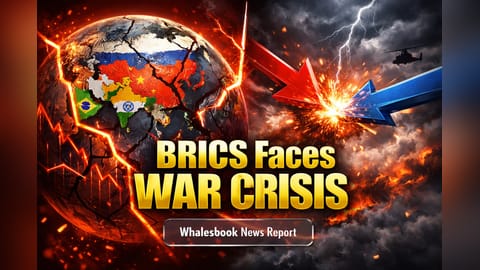
A major regional conflict involving Iran, Saudi Arabia, and the UAE has forced the expanded BRICS group into its most significant internal test. India, tasked with leading the bloc under the theme "Building for Resilience," finds its diplomatic plans disrupted by a crisis demanding immediate management rather than long-term goal setting. This geopolitical division has raised concerns over energy security and trade route stability, overshadowing the bloc's original development goals.
Geopolitical Divide
The Iran war has exposed BRICS' core problem: diverging geopolitical interests among its expanded membership. The clear division, with Iran on one side and Saudi Arabia and the UAE on the other, clashes with the bloc's aim of building a multipolar world. This internal friction has shifted the group's focus from long-term development projects to immediate concerns like securing energy supplies and maintaining safe passage through key shipping routes such as the Strait of Hormuz. This pivot to "strategic firefighting" is seen as a practical response to a reality where regional conflicts increasingly strain developing nations with inflation and trade disruptions.
India's Diplomatic Approach
India's leadership strategy has become a high-stakes "Sherpa Diplomacy," focusing on quiet negotiations to manage competing interests instead of public declarations. This approach aims to maintain visible cooperation despite severe regional stress. The difficulty is amplified by other nations seeking influence, such as Pakistan reportedly trying to mediate. This move could undermine India's presidency and the bloc's unity, revealing BRICS' current inability to act. India's strategy relies on its approach of engaging with multiple global powers and maintaining dialogue with all parties. The goal is to prevent a total breakdown in communication and ensure BRICS remains a "non-Western" platform, not just an "anti-Western" bloc.
Structural Weaknesses and 'Anti-West' Concerns
The expanded BRICS, with its varied members holding different regional allegiances, risks strategic collapse. Geopolitical divisions run so deep that reaching agreement on urgent security issues is nearly impossible. This paralysis is evident in Pakistan's mediation attempt, which shows BRICS' difficulty managing its own internal security discussions. The crisis also forces a rethink of sustainability, considering the economic burden of wars on nations not involved in the fighting. While India's work on Central Bank Digital Currencies and a "National Health Stack" offers long-term tools, immediate survival needs take precedence. The main danger is BRICS becoming a forum for "meaningless talk," losing its capacity as a platform for meaningful development.
Measuring BRICS' Relevance
India's success as BRICS chair in 2026 won't be judged by a final statement, which is unlikely to show agreement on the conflict. Instead, success will be measured by whether BRICS can avoid strategic collapse and stay relevant. The ability to maintain engagement among its diverse and often competing members, even during regional turmoil, will be a significant geopolitical feat. Keeping functional cooperation visible, focused on strategic independence, will determine if BRICS continues as a development platform or fades into mere talk.