

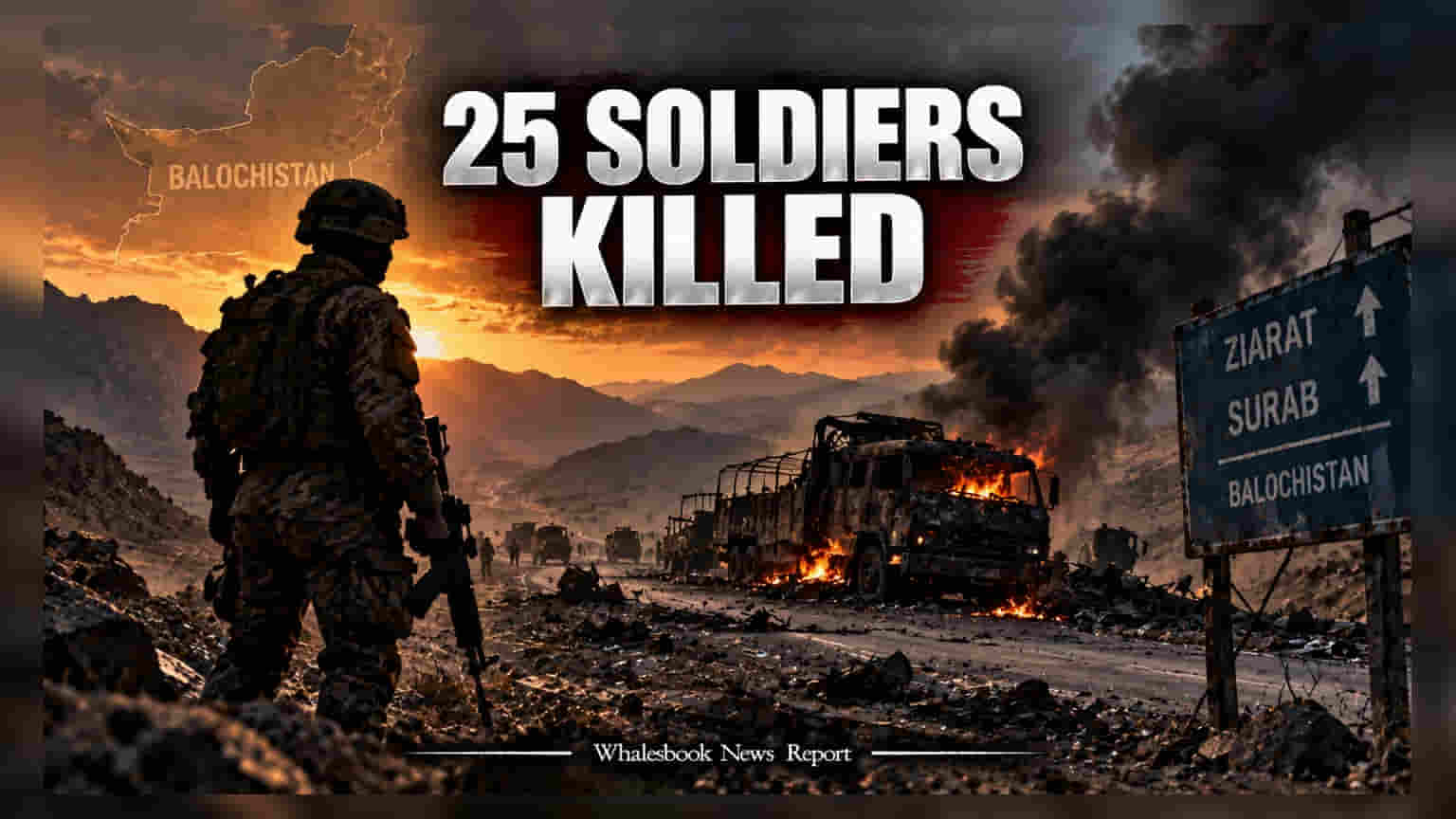
The Balochistan Liberation Army has claimed responsibility for the deaths of 25 Pakistani soldiers in separate ambushes in Ziarat and Surab. This escalation in regional violence raises concerns regarding security stability in a province that hosts critical international economic and mining projects.
The Balochistan Liberation Army (BLA) has claimed responsibility for two high-intensity attacks on Pakistani military convoys, resulting in the reported deaths of 25 personnel. The ambushes, which occurred in the Ziarat and Surab areas, involved both direct tactical maneuvers and the use of remote-controlled explosives. The group’s public statements and released footage indicate that the strikes targeted military hardware, signaling a continued effort to challenge state control in the region.
For investors and global observers, the primary concern arising from this incident is the potential disruption to economic stability in Balochistan. The province is home to significant infrastructure projects and natural resource developments, most notably the Reko Diq copper-gold mining project. Historically, persistent security challenges in this region have complicated the implementation of large-scale international investments. The success of such capital-intensive projects depends heavily on regional stability, and repeated security incidents can lead to increased project costs, delays in operational timelines, and higher risk premiums for companies operating in the area.
While the Pakistani government has not officially confirmed the casualty figures claimed by the BLA, the occurrence of these coordinated strikes underscores the significant security strain within the province. The volatility in the region forces the state to allocate substantial resources toward counter-insurgency efforts, which can impact the broader fiscal environment. From an investment perspective, this situation highlights that the operating environment in Balochistan remains sensitive to security developments.
Investors tracking the region should monitor official updates from the Pakistani authorities regarding the security situation. The key monitorable will be whether these incidents lead to revised security protocols for critical infrastructure zones or potential delays in the ongoing development of major projects like Reko Diq. Any shift in government policy or security posture could impact the pace of future project execution and the overall sentiment toward economic ventures in the province.