

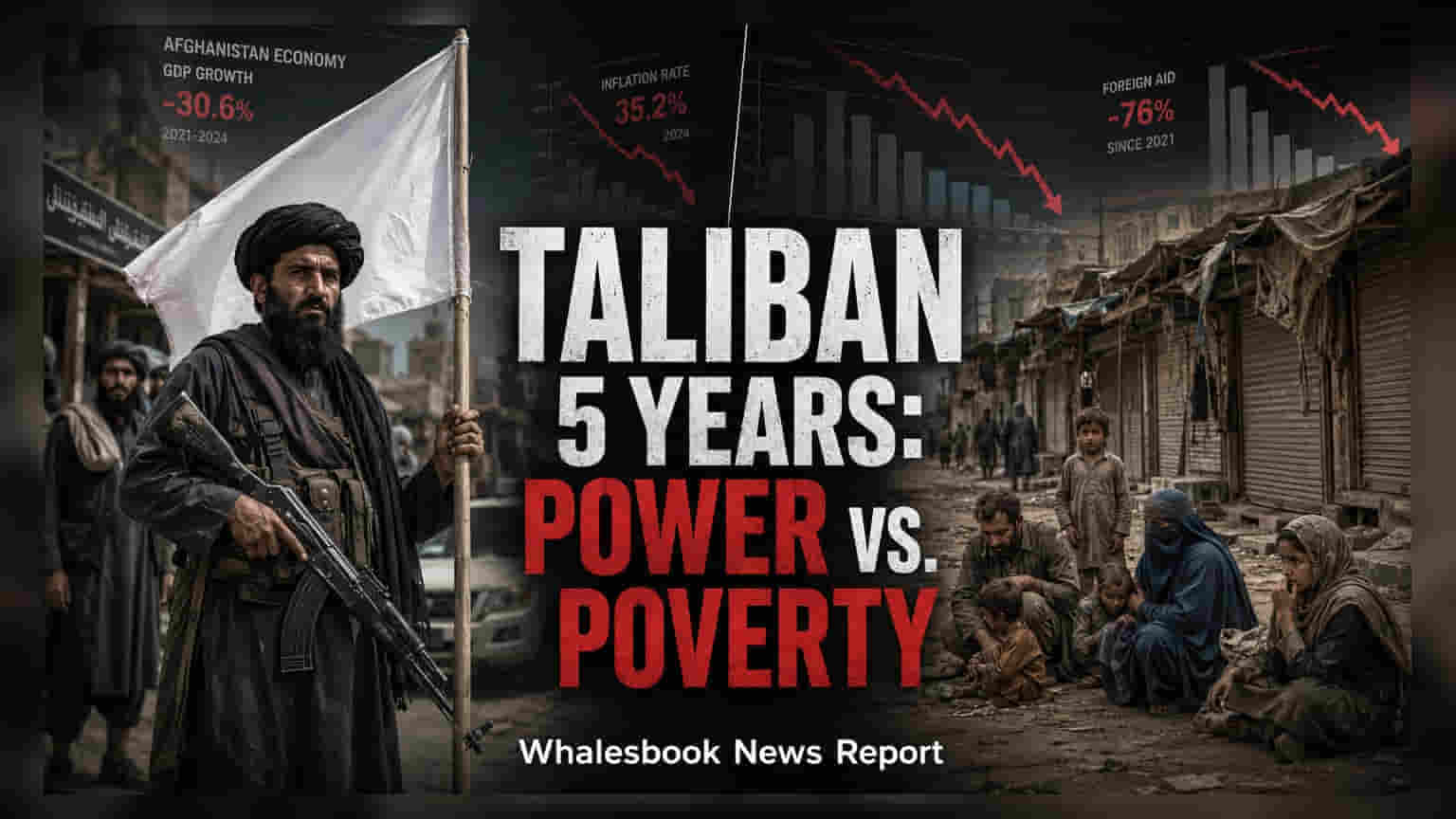
August 15, 2026, marks five years since the Taliban returned to power. While the regime projects stability, the nation faces severe economic isolation, a shrinking budget, and significant humanitarian hurdles that continue to impact regional security and trade.
August 15, 2026, marks the fifth anniversary of the Taliban’s return to power in Afghanistan. While the administration organized commemorative events, including parades, to highlight its control, the domestic reality remains characterized by deep economic and humanitarian difficulties that have persisted since the departure of international forces in 2021.
The country's economic landscape is largely isolated from the global financial system. The Taliban government has faced severe challenges in managing public finances, with the 2023 budget, reported at approximately $2.44 billion, falling well below the levels seen in 2021, which were closer to $6 billion. This reduction highlights the regime's difficulty in generating internal revenue and the sharp decline in international aid, which previously underpinned much of the nation's economic activity.
For regional stakeholders, including India, the situation in Afghanistan carries implications for security and cross-border trade. Persistent instability and the lack of a formal, internationally recognized financial framework have created obstacles for regional economic integration. Trade routes, essential for the movement of goods in the region, have experienced disruptions due to geopolitical tensions and administrative volatility.
The humanitarian situation remains a primary concern, with international organizations reporting that a significant portion of the population continues to rely on outside assistance to meet basic needs. High unemployment and the impact of environmental factors, such as recurring droughts and earthquakes, have further strained the local economy. The ongoing restrictions on employment and education, particularly for women and girls, have served as a significant hurdle in the regime's efforts to secure formal international recognition and access to frozen foreign assets.
While several countries have maintained limited diplomatic and economic engagement, the lack of a broader global consensus continues to keep the Afghan economy on the periphery of the international system. The key monitorable for observers remains the stability of trade corridors and whether the administration can navigate its fiscal constraints while addressing the humanitarian needs of its population, which remain critical to the region's long-term outlook.