
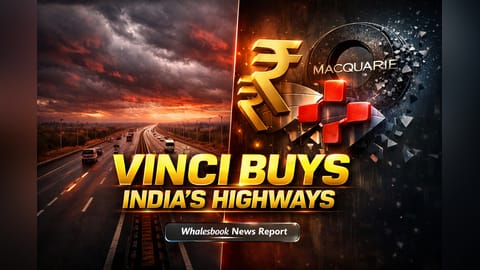
VINCI Highways Buys Nine Indian Toll Roads for ₹15,000 Crore
VINCI Highways, part of VINCI Concessions, has completed its purchase of the Safeway Concessions platform. This platform consists of nine Indian toll highway concessions acquired from Macquarie Asset Management for an enterprise value of roughly ₹15,000 crore. The deal significantly boosts VINCI's presence in India's growing transportation network. The newly acquired assets cover about 700 kilometers of crucial routes for freight and logistics in Andhra Pradesh and Gujarat. These include key roads like NH-16 and routes linking major industrial areas and ports.
Why VINCI Bought These Roads
This acquisition is more than just adding capacity; it's about consolidating key operational assets in India's busiest corridors. These roads are vital for moving goods and commerce across the country's economy. VINCI will benefit from the steady income generated by these operational roads, which are managed under India's effective Toll-Operate-Transfer (ToT) system. This system is attractive to investors looking for stable, long-term returns. Macquarie Asset Management, a significant investor in Indian infrastructure, has now sold a mature asset portfolio. They originally bought it in 2018 for ₹9,681 crore, showing how global investors can make substantial gains from long-term Indian infrastructure investments.
India's Toll Road Market: Growth and Hurdles
India's toll road sector continues to perform well, with traffic steadily increasing and more vehicles on the road. Toll collections are expected to grow by 5-9% in FY2026 due to modest toll price increases and an estimated 4-5% rise in traffic volume. The government's ongoing commitment to infrastructure through projects like the National Infrastructure Pipeline and Gati Shakti plan creates a favorable environment for private companies. While electronic toll collection systems like FASTag handle over 97% of national highway transactions, making operations more efficient, the pace of new project awards and construction has slowed. Some reports suggest construction could reach a decade low by FY2027, due to delays in awarding projects and execution issues. Nevertheless, selling operational assets through ToT and Infrastructure Investment Trusts (InvITs) remains a key way for the National Highways Authority of India to raise funds.
Who Else is Investing in Indian Roads
VINCI's purchase puts it in competition with other large companies also expanding their toll road holdings in India. Adani Enterprises has been actively buying assets, recently acquiring DP Jain TOT Toll Roads. IRB Infrastructure Developers, a major player, also regularly buys assets, including those developed under the Hybrid Annuity Model (HAM). VINCI's move signals its aim to secure top operational assets, possibly before rivals or to strengthen its current market standing. VINCI SA, with a market value between $70-$85 billion, has the financial strength to make significant acquisition investments. This deal allows VINCI to benefit from long-term demand for efficient transport routes, even as new project development in the sector slows.
Potential Challenges and Risks
Despite the advantages, the acquisition faces potential risks. The large ₹15,000 crore price tag requires significant borrowing, which could become more expensive if interest rates rise. While India's approach to financing infrastructure is changing with more private capital and debt markets involved, managing and integrating nine different road concessions presents complex execution challenges. Additionally, the slower pace of new project approvals and strong competition for new contracts could limit future growth for companies focused on acquiring existing assets. Securing regulatory approvals, while standard, always carries some uncertainty. For Macquarie, this profitable sale at a higher price shows the strong interest in established Indian infrastructure assets, possibly encouraging other financial investors to sell similar assets.
VINCI's Bet on India's Future
VINCI Concessions' purchase of Safeway represents a strategic investment in India's continued economic expansion and the growing need for quality transport infrastructure. The company is positioning itself to gain from long concession periods and the steady revenue from toll roads. As India works to expand its logistics network and improve economic connections, assets like these will remain crucial. The deal fits with larger trends of consolidating infrastructure assets and the increasing influence of financial and strategic players in developing India's future transport routes.