 Whalesbook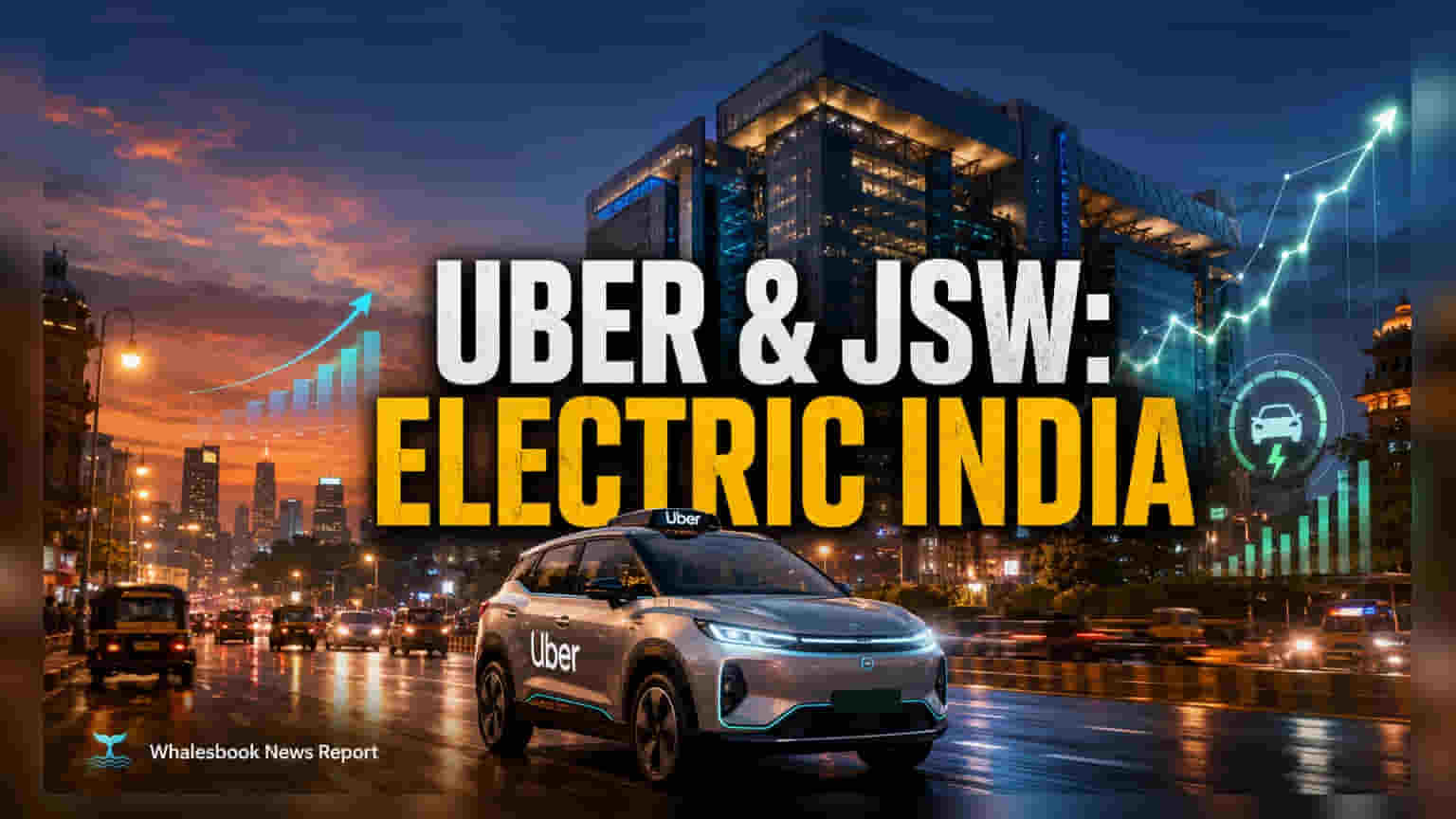


India's Ride-Hailing Goes Electric with Uber and JSW Alliance
The partnership between Uber India and JSW Group marks a significant step forward in electrifying India's fast-growing ride-hailing market. This collaboration goes beyond simply adding electric vehicles to Uber's fleet; it's a comprehensive plan to develop electric mobility solutions tailored for India's urban environments.
Custom EVs for Indian Conditions
JSW Green Mobility will lead efforts to create electric vehicles that are both affordable and durable enough for the high usage common in ride-sharing. Key goals include optimizing vehicle design for passenger comfort and driver ergonomics, setting competitive prices, and ensuring performance meets the intensive daily demands of major Indian cities. The strategy also emphasizes localizing EV technology, boosting domestic manufacturing, and building scalable deployment models for Uber's Indian operations.
Building an EV Ecosystem Together
Prabhjeet Singh, President of Uber India and South Asia, highlighted the need for broad collaboration to advance electric mobility in India. He stated that the partnership with JSW Group is crucial for developing solutions that meet local needs and support the government's sustainable transportation goals. The aim is to increase EV adoption on Uber's platform by providing vehicles better suited to drivers and passengers, thus removing adoption barriers.
Combining Strengths for Market Impact
Parth Jindal of JSW Group pointed out the complementary strengths of Uber and JSW. Uber offers a vast platform reach and insights into mobility trends, while JSW Group brings its growing expertise in automotive manufacturing and clean mobility. JSW Group's commitment to EVs is further shown by its joint venture with MG Motor, JSW MG Motor, which plans to invest up to $440 million to expand its Indian manufacturing and introduce new hybrid and electric models. This alliance aims to make a substantial contribution to India's expanding EV ecosystem, supported by government incentives and increasing consumer demand for green transport.
Market Competition and Future Prospects
The Indian EV market is highly competitive, with Tata Motors leading in passenger EVs and Mahindra & Mahindra also expanding its electric offerings. For Uber and JSW, success will depend on their ability to deliver on localized manufacturing and cost-effective solutions that appeal to fleet operators and drivers. Analysts believe government support for localization and charging infrastructure will be vital for these large-scale deployments. JSW's EV strategy will be further tested by the timely launch of new models and their capacity to capture a significant market share in this rapidly evolving sector.