

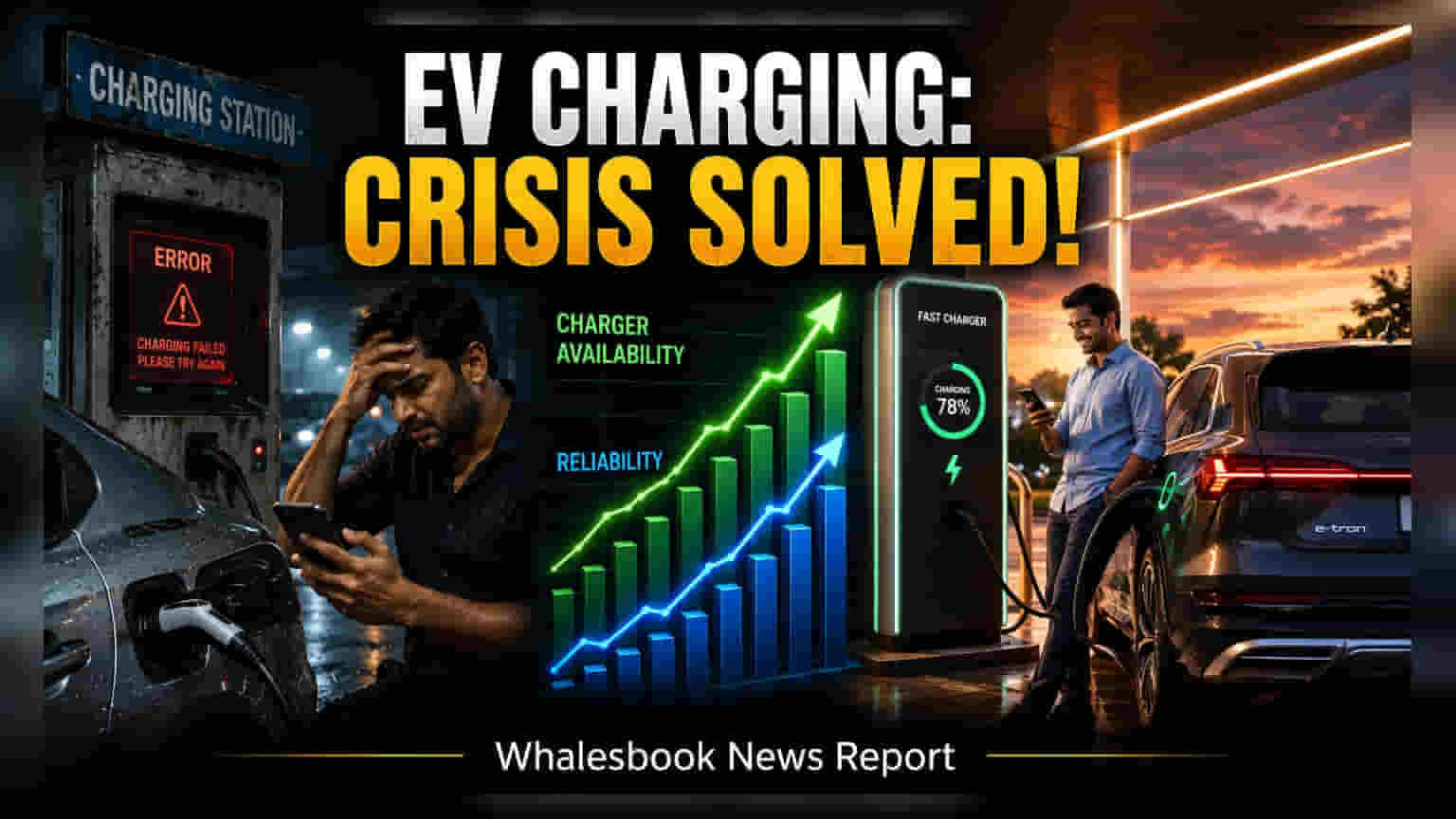
The number of public DC fast chargers in the US has more than doubled since mid-2023, now exceeding 64,000 units. This rapid infrastructure expansion and increased network uptime are helping address long-standing range anxiety for electric vehicle owners. Improved charger availability and the opening of Tesla's network to non-Tesla vehicles are key factors driving this shift toward a more dependable charging experience.
The landscape for electric vehicle (EV) charging in the United States has undergone a significant transformation over the past three years. Recent industry data confirms that the availability and reliability of public charging stations have improved considerably, moving from a period of frequent equipment failures to a more consistent service model.
Network Growth and Reliability Gains
According to the Joint Office of Energy and Transportation, the infrastructure for DC fast charging has seen substantial expansion, with total units now exceeding 64,000. This growth represents a more than two-fold increase since July 2023. A critical driver of this improved accessibility is the integration of Tesla’s expansive Supercharger network, which has begun opening its doors to non-Tesla electric vehicles. This move has effectively widened the pool of available high-speed charging options for the broader market.
Alongside physical growth, the industry has seen a marked rise in operational reliability. Data from the Paren reliability index indicates that charging station performance has climbed by nearly 10 points over the last year, with scores moving from the mid-80s to the mid-90s. This index measures key performance indicators such as successful charging handshakes between the vehicle and the station, as well as overall equipment uptime.
Shifts in the Competitive Landscape
While Tesla maintains a large share of the charging market, the surge in new installations from independent providers is creating a more competitive environment. This competition is compelling network operators to focus on maintenance and customer experience to retain users. In the past, EV drivers frequently faced broken hardware, confusing app requirements, and long wait times. Today, while isolated issues such as payment terminal malfunctions still occur, the general trend points toward a more stable and user-friendly experience.
What Investors and Users May Track Next
Despite these advancements, the transition to a fully mature charging network remains a work in progress. Future developments will likely hinge on the consistency of maintenance across all providers and the speed at which aging charger hardware is replaced with newer, more reliable units. Additionally, the ability of charging networks to manage the increasing load as more electric vehicles hit the road will be a key factor in long-term infrastructure health. Investors and market watchers may continue to monitor capital spending by charging operators and government policy updates regarding infrastructure subsidies, as these factors will dictate the pace of future network scaling.