 Whalesbook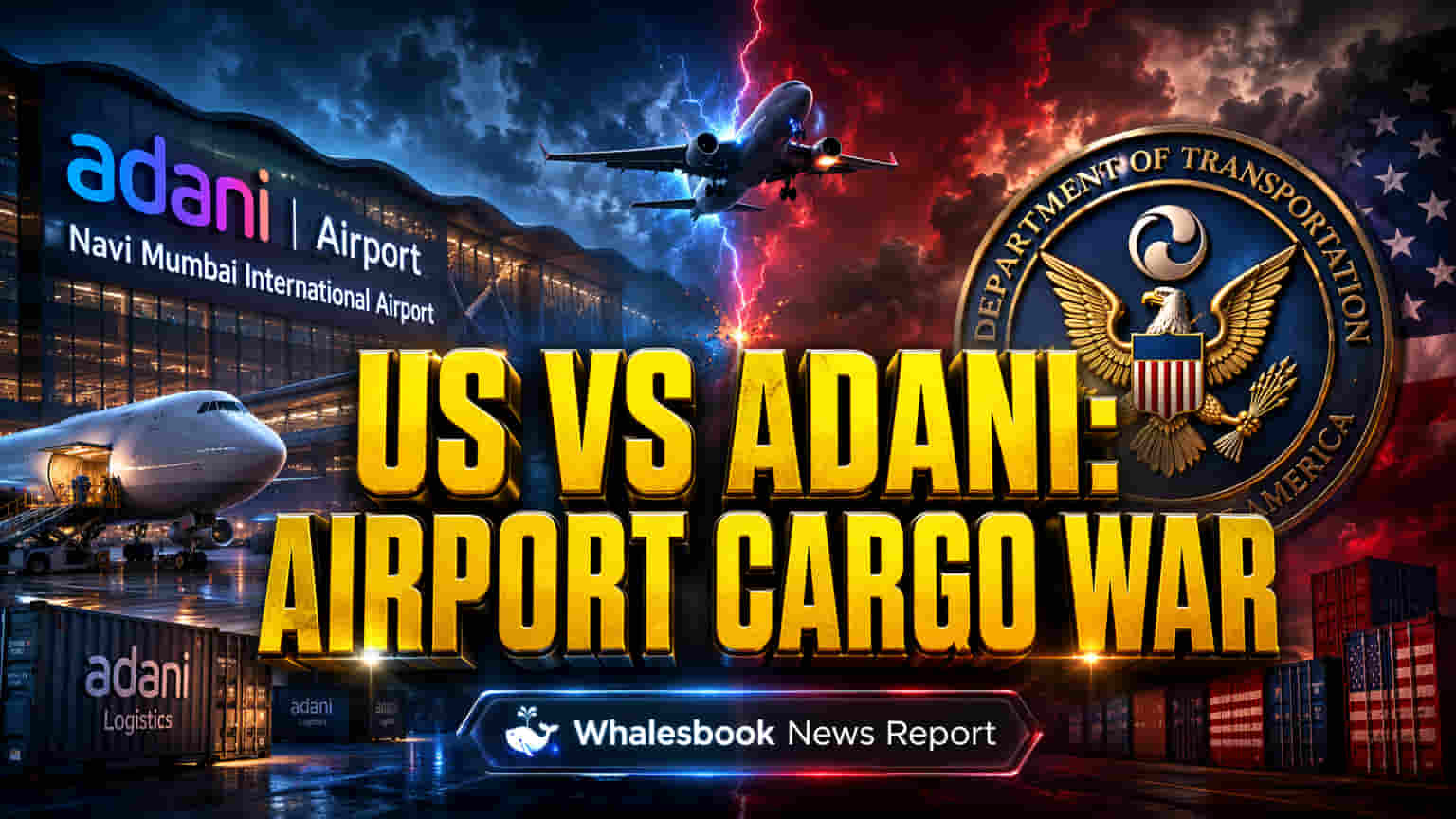


US Objects to Adani's Cargo Relocation Plan
The U.S. Department of Transportation has formally objected to Adani Airport Holdings Ltd.'s directive for international cargo carriers to relocate operations to the new Navi Mumbai International Airport. In a March letter to India's aviation ministry, the DOT asserted that this move contravenes the bilateral Air Transport Agreement between the two nations. The U.S. agency has explicitly warned that compelling American carriers to comply could trigger countermeasures under the agreement, signaling a significant regulatory and geopolitical challenge for the Adani Group. The controversy centers on Adani's plan to transition freighter operations, including those of FedEx Corp., between August 2026 and May 2027, citing refurbishment needs at Mumbai's existing Chhatrapati Shivaji Maharaj International Airport.
Adani's Rapid Expansion Faces International Scrutiny
Adani Group, India's largest private airport operator with eight airports and plans to invest $11 billion to acquire more by 2030, is aggressively expanding its reach in a rapidly growing aviation market. The Indian aviation infrastructure market is projected to expand from USD 103.41 billion in 2025 to USD 125.81 billion by 2030, driven by increasing air traffic and government investments. Adani Enterprises, the group's flagship, has a market capitalization of approximately ₹2.7 trillion INR and a TTM P/E ratio around 20-24 as of April 2026. This contrasts sharply with competitors like GMR Airports, which shows a negative P/E ratio, indicating current financial losses, and a significantly smaller market cap around ₹100,000 crore.
However, Adani's rapid expansion and control over critical infrastructure, including both Mumbai's primary airport and the new Navi Mumbai facility, have drawn international scrutiny. U.S. officials reportedly view the relocation push not as a neutral operational decision but as a strategic move to populate the new airport, raising concerns about Adani's significant influence over traffic allocation in India's financial capital. FedEx, as the sole American cargo airline operating out of Mumbai's main airport, directly flagged these concerns to the DOT, fearing disruption to its logistics network and potential loss of treaty-protected operating slots.
Geopolitical Risk and Valuation Concerns for Adani
This aviation dispute arrives at a sensitive juncture for Adani, who has faced past scrutiny, including a U.S. Department of Justice probe and a civil investigation by the U.S. Office of Foreign Assets Control. Although Adani Group stocks saw a significant rally in early April 2026 following a U.S. court's acceptance of a plea to dismiss an SEC securities fraud lawsuit, the underlying governance and regulatory issues remain a point of close attention for international investors. The current conflict with the U.S. DOT risks injecting fresh tension into U.S.-India trade relations, potentially impacting foreign investment sentiment in India's infrastructure sector.
From a valuation perspective, while Adani Enterprises' positive P/E ratio suggests profitability, its significant debt load, with a debt-to-equity ratio around 2.5x across its listed companies, remains a concern, especially when compared to less leveraged rivals. Furthermore, analyst sentiment is divided; while some maintain a 'BUY' rating with high price targets, others have downgraded Adani Enterprises to a 'Strong Sell' candidate due to technical weaknesses and a falling stock trend observed in late March 2026. The potential for U.S. countermeasures, though unspecified, introduces an element of geopolitical and regulatory uncertainty that could dampen the strong domestic growth story for India's aviation sector.
Impact on India's Aviation Sector
The Indian aviation market continues to present substantial growth opportunities, with projections indicating it will become the world's third-largest air passenger market by 2030. However, the current dispute between the U.S. DOT and Adani Airport Holdings introduces a layer of complexity. The outcome of this trade agreement challenge could influence future infrastructure development, international carrier access, and the broader climate for foreign investment in India's critical infrastructure assets. The Indian government has reportedly engaged with Adani to seek an amicable resolution, but the U.S. stance indicates a firm stand on upholding treaty obligations, suggesting that navigating this diplomatic and regulatory challenge will be crucial for Adani's ongoing expansion.