 Whalesbook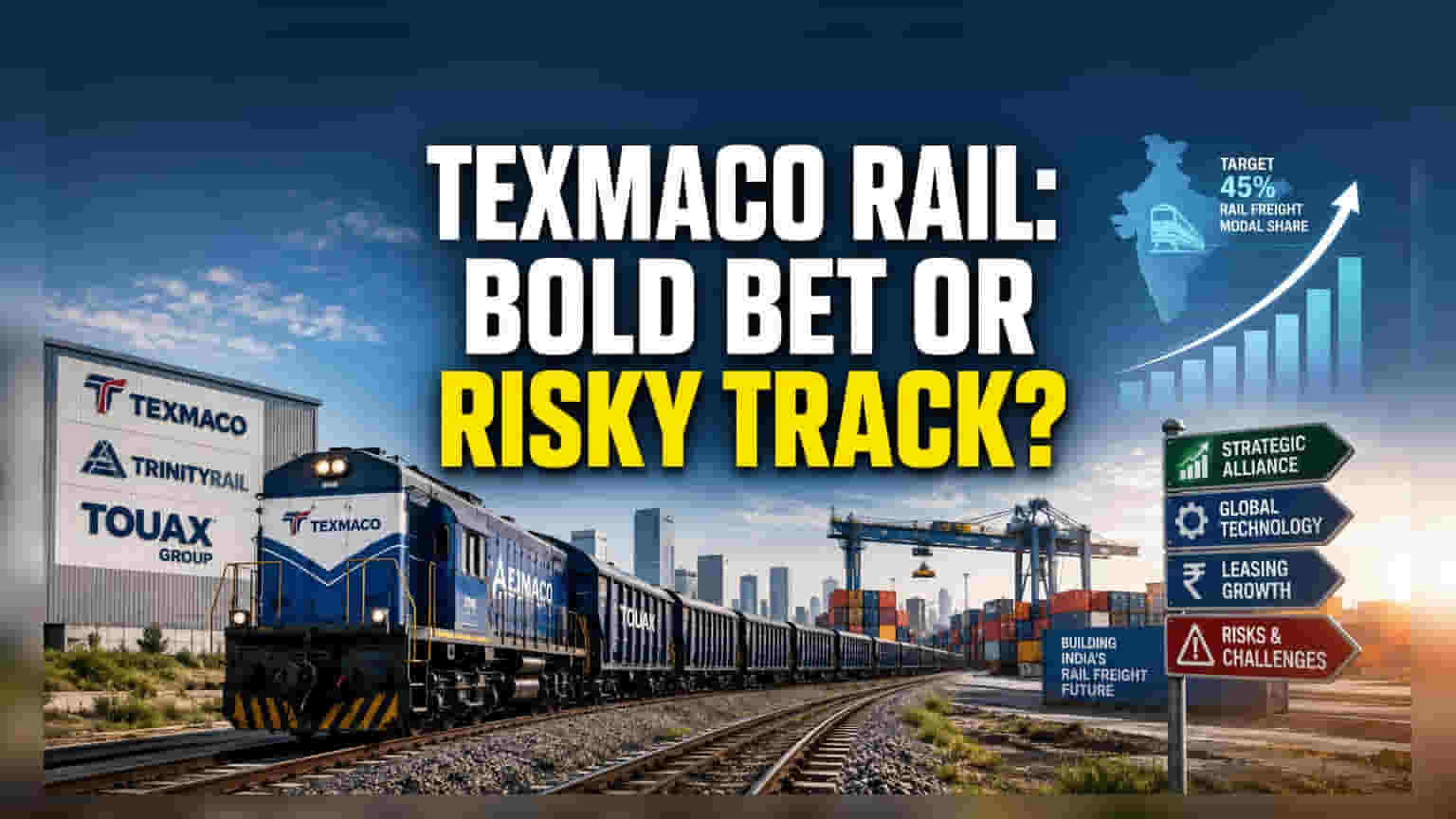


The Structural Pivot
Texmaco Rail & Engineering’s latest move to integrate TrinityRail into its existing joint venture with Touax Group marks a calculated attempt to scale India's nascent railcar leasing market. By bringing on a 32% stake from the North American railcar giant, the platform gains access to advanced global manufacturing processes and specialized leasing technology. This consolidation, which will continue to be reported under IFRS standards by Touax, is designed to transform the current venture from a local supplier into a globally-benchmarked freight logistics hub. The timing is critical; as Texmaco seeks to move up the value chain from basic wagon manufacturing to high-margin lifecycle management, the inclusion of international technical expertise offers a strategic moat against domestic competitors.
The Growth Narrative vs. Reality
The venture is explicitly positioned to capitalize on India’s national objective to shift freight movement from road to rail, targeting a modal share of 45%. However, the ground reality remains disconnected from these long-term policy goals. Recent industry insights indicate that rail freight volumes are growing at only 3% to 3.5% annually, a pace that makes the 2030 target of 45% mathematically improbable. While the government continues to invest heavily in Dedicated Freight Corridors, the infrastructure and cargo diversification efforts—essential for reaching these volumes—are moving significantly slower than the ambitious blueprints originally suggested. Investors should view the joint venture not as a guaranteed win, but as a long-term play that depends heavily on the successful implementation of multimodal logistics parks to handle the required freight throughput.
The Forensic Bear Case
Despite the positive branding of the tripartite alliance, the risks remain palpable. Texmaco currently faces a modest Return on Equity (ROE) hovering around 5% to 7%, and its EBIT-to-interest ratio suggests a thin margin of safety when covering debt obligations. Furthermore, the Indian leasing sector is historically plagued by systemic hurdles, including regulatory uncertainty, complex stamp duty structures, and historically unhealthy competition that can erode pricing power. Unlike global markets where leasing is a standard financial tool, the Indian environment still struggles with limited SME awareness and potential legal enforcement delays. Furthermore, the rail industry is inherently capital-intensive with long payback cycles; any deceleration in government capital expenditure could leave the platform with idle assets and mounting maintenance costs.
Future Outlook
Analysts remain cautious, with some technical assessments maintaining a sell-rated outlook due to weak financial efficiency metrics. The company’s success now hinges on whether it can successfully bridge the gap between its manufacturing heritage and the complexities of high-tech asset leasing. While the strategic collaboration with TrinityRail provides much-needed technological depth and potential access to global supply chains, the immediate impact on profitability will likely be muted by the slow structural transition of the broader Indian rail freight market.