 Whalesbook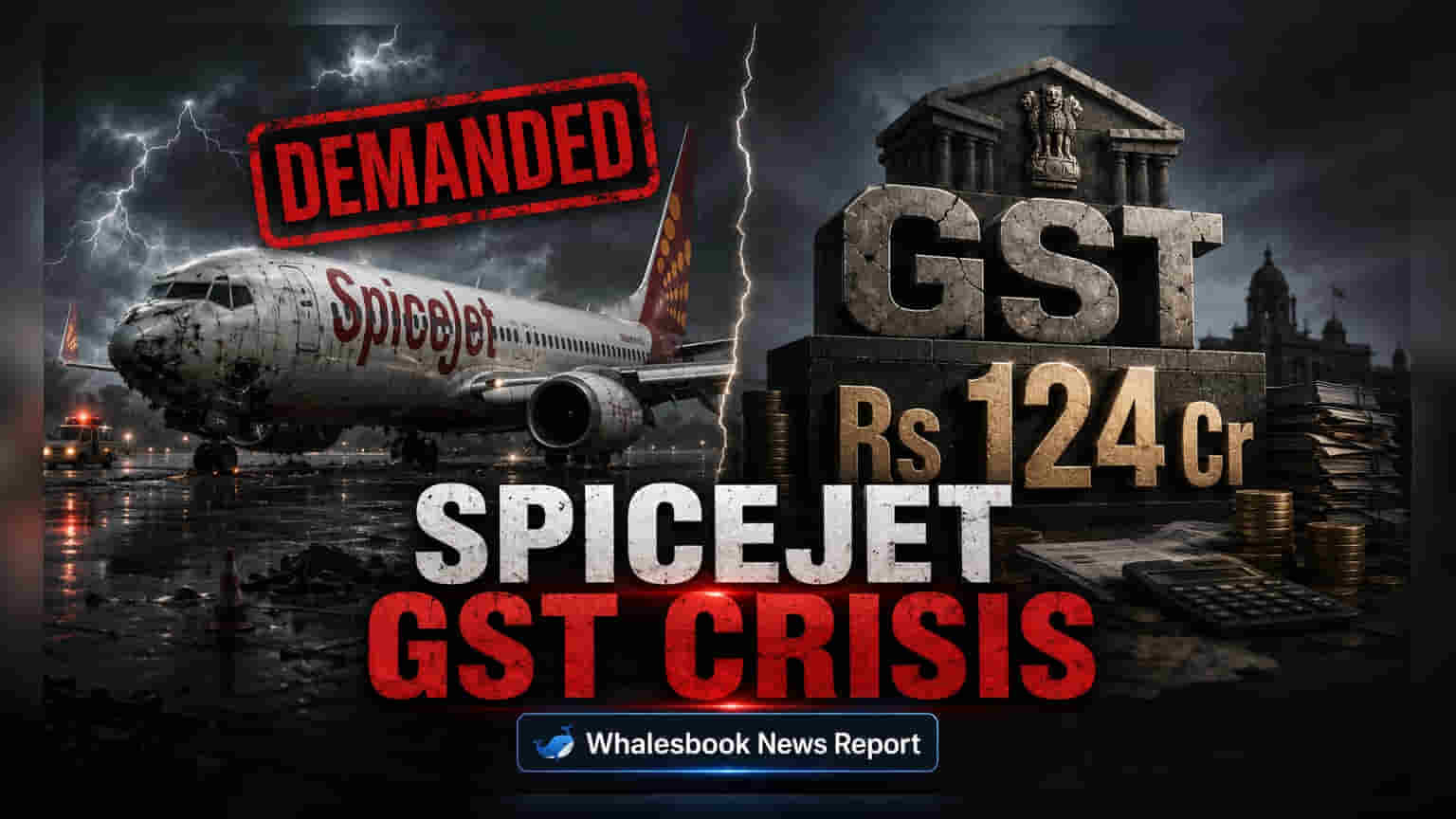


The Compliance Crisis
The Goods and Services Tax (GST) department in Gurugram has moved to initiate a provisional assessment under Section 62 of the CGST and SGST Act, identifying a cumulative tax liability of Rs 124.65 crore against SpiceJet. This regulatory action, formalized in a show-cause notice issued on May 25, 2026, centers on the airline's persistent failure to file mandatory returns. The demand is heavily weighted toward the end of 2025, with November and December liabilities totaling Rs 88.23 crore, followed by an additional Rs 36.42 crore accrued through the first quarter of 2026.
The Operational Precipice
Beyond the immediate tax bill, the threat to cancel the airline's GST registration serves as a significant escalation. If the carrier fails to rectify these filings, it risks losing its ability to conduct operations, a move that would effectively ground the airline. This development follows a period of extreme financial distress, characterized by a share price that has faced intense downward pressure throughout the year and a balance sheet burdened by negative equity, which recently stood at approximately Rs 28 billion. The company has also been grappling with legal hurdles, including recent unsuccessful attempts to review court-ordered deposits in long-standing disputes with former promoters.
The Forensic Bear Case
Investors are viewing this latest regulatory hurdle through a cynical lens, given the airline’s history of capital constraints and operational volatility. Unlike larger peers in the Indian aviation sector that maintain stronger balance sheets and better compliance track records, SpiceJet’s current technical setup remains weak, trading significantly below its key moving averages. Market analysts have repeatedly flagged the stock as a high-risk proposition, noting that the carrier has less than a year of cash runway based on current free cash flow. The airline’s recent attempt to improve liquidity through partial asset disposal and investor interest has been overshadowed by persistent losses, with recent quarterly results showing a significant per-share loss compared to previous years.
The Future Outlook
Management has previously communicated an ambitious turnaround plan aiming for profitability by fiscal year 2027, relying on fleet expansion and cost discipline. However, the current standoff with tax authorities highlights a fundamental misalignment between these corporate aspirations and the reality of day-to-day statutory compliance. Market sentiment remains bearish, with many institutions maintaining a cautious stance until there is tangible evidence of financial stabilization and a resolution to its mounting regulatory and legal liabilities.