
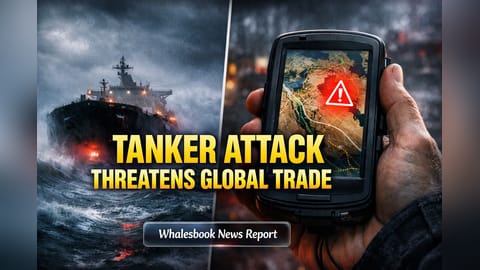
Advanced Tactics Raise Maritime Security Concerns
The attack on the MT Safesea Vishnu, a crude oil tanker flagged in the Marshall Islands, is being seen as more than an isolated incident. It signals a developing and sophisticated threat to global shipping routes. Safesea Group's urgent demand for an independent investigation reflects a rising industry concern that the growing sophistication and planning behind such assaults will increase operational risks and insurance costs for the maritime sector.
Escalating Threat Methods
The attack near Khor Al Zubair port in Basra, which involved unidentified high-speed boats and an explosive-laden unmanned craft, shows a disturbing rise in attack methods. Safesea Group's chairman highlighted the sequence of events, noting it indicated "reconnaissance, precision execution, and apparent real-time monitoring." This suggests a level of planning far beyond typical piracy. Such coordinated, tech-driven attacks present a major challenge for maritime security, possibly requiring shipping operators to invest heavily in advanced surveillance and defense systems. Although the wider shipping industry has shown some resilience, the threat environment is clearly worsening, leading to greater investor caution.
Rising Insurance Premiums for Tankers
Attacks on commercial ships in volatile areas directly impact the cost of operations. War risk insurance premiums, a key expense for tankers, are clearly increasing. Estimates show premiums for ships in the Persian Gulf region have risen 15-20% in the last year due to increased regional instability. This rise is linked to the increasing sophistication and number of incidents, as insurers assess higher risks of loss or damage. Historically, periods of maritime conflict have led to lasting premium increases, affecting freight rates and company profits, similar to past security crises.
Geopolitical Risks Threaten Energy Supplies
Targeting a crude oil tanker in Iraqi waters underscores the vulnerability of global energy supplies to geopolitical events. Major shipping routes, especially in the Persian Gulf, carry a large share of the world's oil and gas. Increased regional tensions raise concerns about crew safety, operational delays, and potential disruptions to supply chains. The link between geopolitical instability and energy prices is clear; any major disruption to tanker traffic can quickly cause price swings and impact global economic stability.
Challenges in Security and Accountability
Pinpointing who is behind attacks and establishing effective security measures in busy ports present significant challenges. Iraqi authorities handled the immediate rescue and emergency response. However, Safesea Group's concern about a "lack of pre-incident vigilance" highlights issues with regional surveillance and response. The vessel's Marshall Islands flag also points to complex international registration rules that can make oversight and accountability difficult. Companies operating in these exposed areas face ongoing risks, unlike competitors with more resources or varied operations. Increased security scrutiny, higher insurance costs, and a reluctance from some financial firms to fund operations in high-risk zones could discourage investment. Safesea Group is a maritime solutions provider, not a publicly traded company, so its impact is felt by its clients and the wider sector. The International Maritime Organization (IMO) regularly issues security advisories, but putting them into practice remains a key hurdle.
Industry Seeks Stronger Security Measures
The call for a transparent international investigation, possibly involving the International Maritime Organization (IMO) and the United Nations, echoes a broader industry demand for improved global maritime rules and security. While incidents like the MT Safesea Vishnu attack are concerning, the future for shipping companies hinges on their ability to manage growing geopolitical risks, adapt to new threats, and handle rising operational and insurance expenses. Analysts note that while the sector's performance is tied to global trade, ongoing geopolitical instability adds a significant risk factor for investors to consider.