

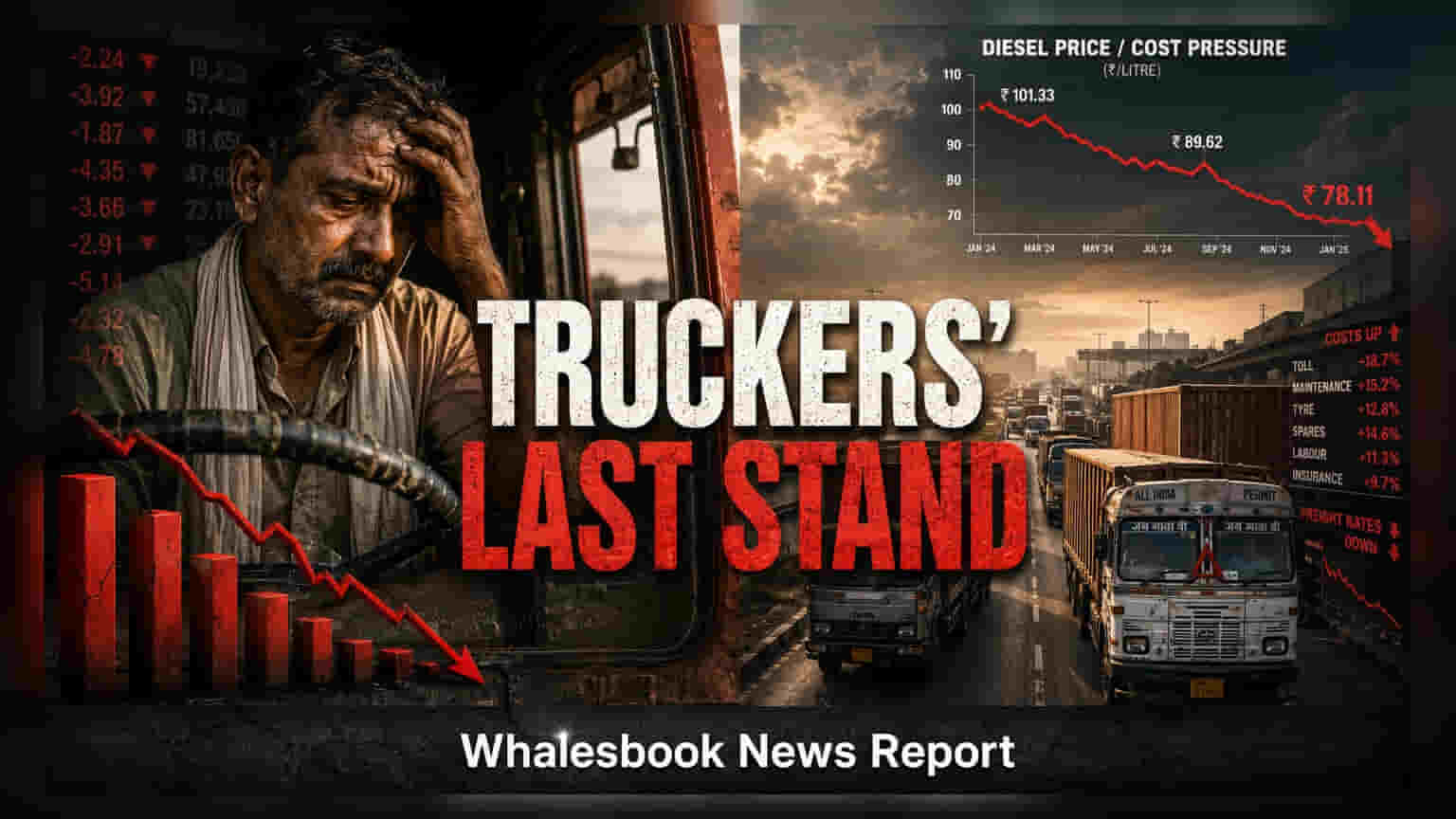
India's small trucking operators are struggling with rising fuel, toll, and insurance costs while freight rates remain flat. This imbalance threatens the viability of small fleets that handle most domestic freight, potentially impacting supply chain stability across the country.
Detailed Coverage
Small-scale trucking operators in India are currently navigating a difficult period as their profit margins shrink. These operators, who typically own between one and five trucks and account for approximately 70% of the nation's domestic freight movement, are seeing their earnings eroded by a combination of rising operational expenses and stagnant freight rates.
Escalating Costs and Limited Bargaining Power
The core of the problem lies in the widening gap between rising costs and income. Key operational expenses including diesel prices, road tolls, insurance premiums, and vehicle maintenance have climbed over recent months. Unlike larger logistics firms that may have long-term contracts with built-in cost-adjustment clauses, smaller operators often rely on spot markets or digital freight platforms where they have little control over pricing. As freight rates remain largely flat, these small businesses are finding it difficult to pass on the higher expenses to customers, leaving them with little room to absorb shocks or invest in fleet maintenance.
Operational Challenges and Regulatory Hurdles
The logistics sector is also facing a massive shortage of commercial vehicle drivers, estimated at around 2.2 million. The nature of the work, involving long spells away from home and poor roadside infrastructure, has made the profession less attractive. This trend has forced many owner-operators to return to driving their own vehicles, which limits their time for managing business growth or addressing regulatory requirements.
Adding to the operational stress is the transition to new compliance standards. The mandatory installation of Vehicle Location Tracking Devices (VLTD) has created technical bottlenecks for many transporters. According to the All India Motor Transport Congress, integration issues with the government’s VAHAN portal have led to significant delays in securing fitness renewals and vehicle permits. These administrative delays not only freeze revenue streams for operators but also add to the hidden costs of doing business.
Impact on the Supply Chain
Given that this segment forms the backbone of India's road transport network, any sustained financial distress among small truckers could have broader implications. The industry is currently seeking government intervention to address these issues, with requests focusing on the rationalization of toll charges, the simplification of the compliance framework, and the development of a more scientific freight-rate mechanism that accounts for actual operating costs. Investors and stakeholders should monitor how these regulatory discussions progress, as any significant disruption to this segment could impact the efficiency and cost of domestic supply chains. The next important update will be any movement on the proposed review of compliance requirements and toll structures by the central and state authorities.