

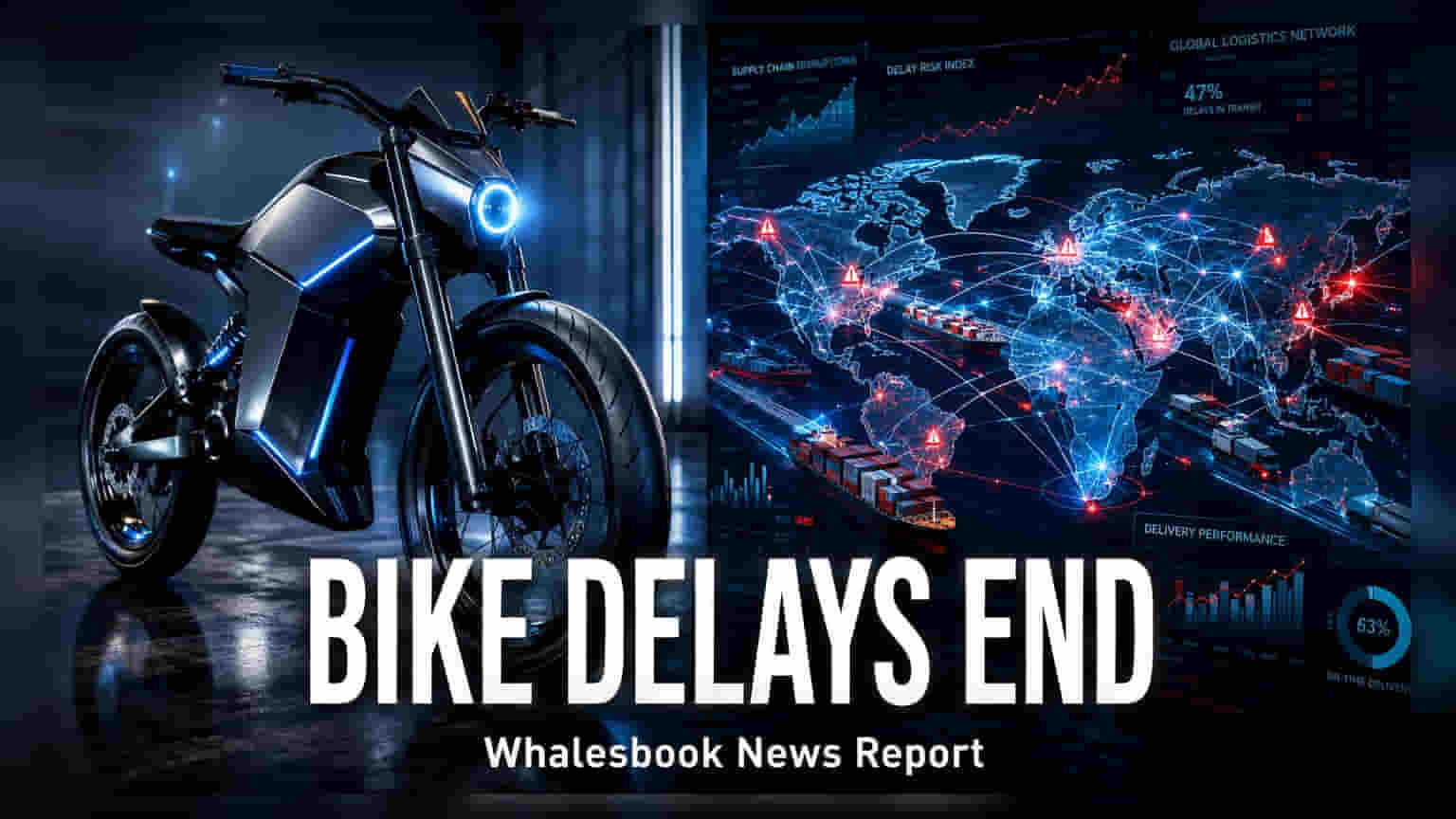
Also, the electric mobility spinoff from Rivian, will start delivering its $4,500 TM-B e-bikes next week following months of supply chain-related postponements. The startup is now managing production while pursuing separate delivery vehicle contracts with Amazon and DoorDash.
Also, the electric mobility venture spun out of Rivian, is set to begin customer deliveries of its debut e-bike, the TM-B Launch Edition, starting next week. The company aims to complete the delivery of these units, priced at $4,500 each, by September. This rollout follows a period of significant delays that saw the original Spring 2026 delivery target pushed back due to global supply chain challenges.
Overcoming Production Hurdles
The TM-B e-bike project originated as an internal innovation initiative within Rivian in 2022. To focus on this specialized segment, Rivian separated the unit into an independent company in March 2025, which successfully raised $105 million in funding from the venture capital firm Eclipse. Despite this backing, the company struggled with securing necessary electronic components and raw materials during its production ramp-up. While the firm has not specified which exact parts caused the bottlenecks, management indicated that engineering teams worked to address these shortages while maintaining product quality standards.
Strategic Focus and Future Projects
Although the current priority is the launch of the TM-B e-bike, the company’s business model extends well beyond consumer two-wheelers. The entity is positioning itself as a broader vehicle manufacturer with a focus on commercial utility. It is currently developing four-wheel pedal-assist cargo vehicles intended for use by Amazon and is collaborating on the design of an autonomous delivery vehicle for DoorDash. These partnerships indicate a strategic intent to diversify revenue streams by moving into the commercial last-mile delivery market, rather than relying solely on individual consumer sales.
Navigating Operational Challenges
For investors and observers, the primary challenge for a hardware-focused startup like Also is managing the transition from prototype to full-scale production. The company has faced criticism from early customers regarding the transparency of its delivery timelines. These delays highlight the execution risks often associated with new hardware ventures, where supply chain disruptions can easily impact cash flow and brand reputation. The ability of the company to meet its new delivery schedule by September will be a key monitorable for assessing its production reliability and operational discipline. The company’s success will ultimately depend on its ability to balance these consumer product rollouts with the complex engineering requirements of its commercial vehicle partnerships.