

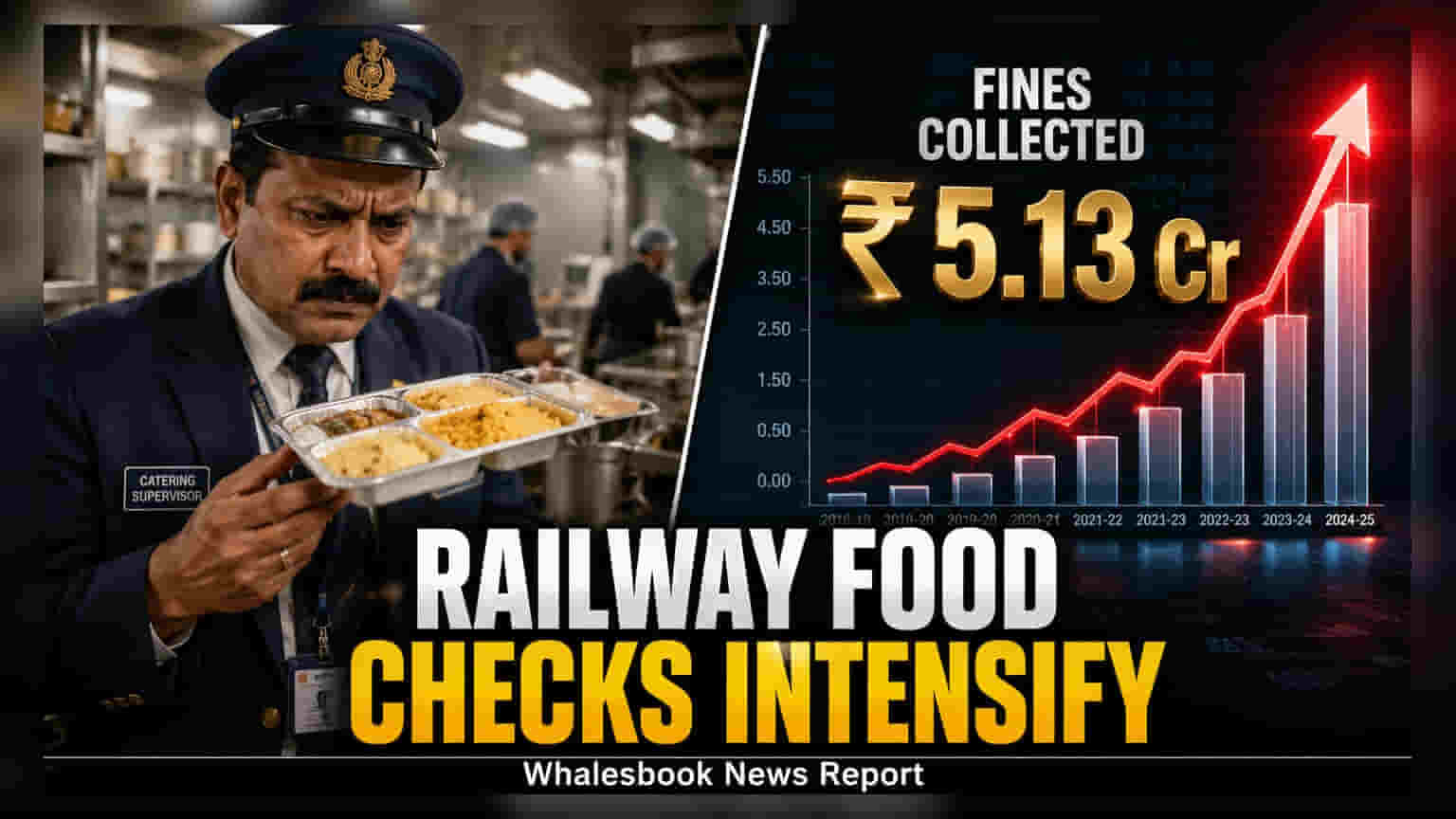
Indian Railways has imposed ₹5.13 crore in fines on food vendors over the past three years due to quality and hygiene violations. While these penalties highlight efforts to maintain service standards, the scale of action remains small compared to the 58 crore meals served annually. For investors, the focus remains on whether strict quality controls and infrastructure investments impact IRCTC's operational costs and profit margins.
Indian Railways has intensified its monitoring of catering services, imposing fines totaling ₹5.13 crore on food vendors over the last three years. These penalties are part of a broader regulatory effort to ensure hygiene and food quality standards across the railway network. In a recent written reply to the Rajya Sabha, Railway Minister Ashwini Vaishnaw provided these figures, noting that the ministry has taken action against defaulting licensees, including the issuance of 54 show-cause notices and the termination of six catering contracts.
The scale of operations in railway catering is vast, with approximately 58 crore meals served annually. Officials pointed out that the volume of food quality-related complaints represents roughly 0.0008% of total meals. While the fine amount might seem small relative to the total scale, the administrative action, including debarring contractors and issuing notices, signals a policy of zero tolerance for hygiene lapses.
For investors monitoring the Indian Railway Catering and Tourism Corporation (IRCTC), these developments highlight the ongoing operational and compliance burden. To address quality concerns, the railways have been investing in modern infrastructure, such as dedicated base kitchens and the installation of CCTV cameras for real-time monitoring of food preparation. Furthermore, the introduction of QR codes on meal packets now allows passengers to track essential details like packing dates and license numbers, increasing accountability.
From a financial perspective, maintaining these high standards requires consistent spending on technology, food safety supervisors, and facility upgrades. While these measures help improve passenger trust and brand value, they also mean that the company must effectively manage its operating costs. Higher expenditure on kitchen maintenance, staff training, and compliance reporting can influence profit margins if not balanced by efficient operations and economies of scale.
The most important monitorable for investors will be how the company balances this increased regulatory and infrastructure spending with its profitability targets. Investors may track whether the push for standardized, high-quality service leads to higher revenue from increased demand or if the cost of compliance keeps profit margins under pressure. The next updates on operating expenses and service quality metrics in quarterly reports will provide more clarity on this balance.