

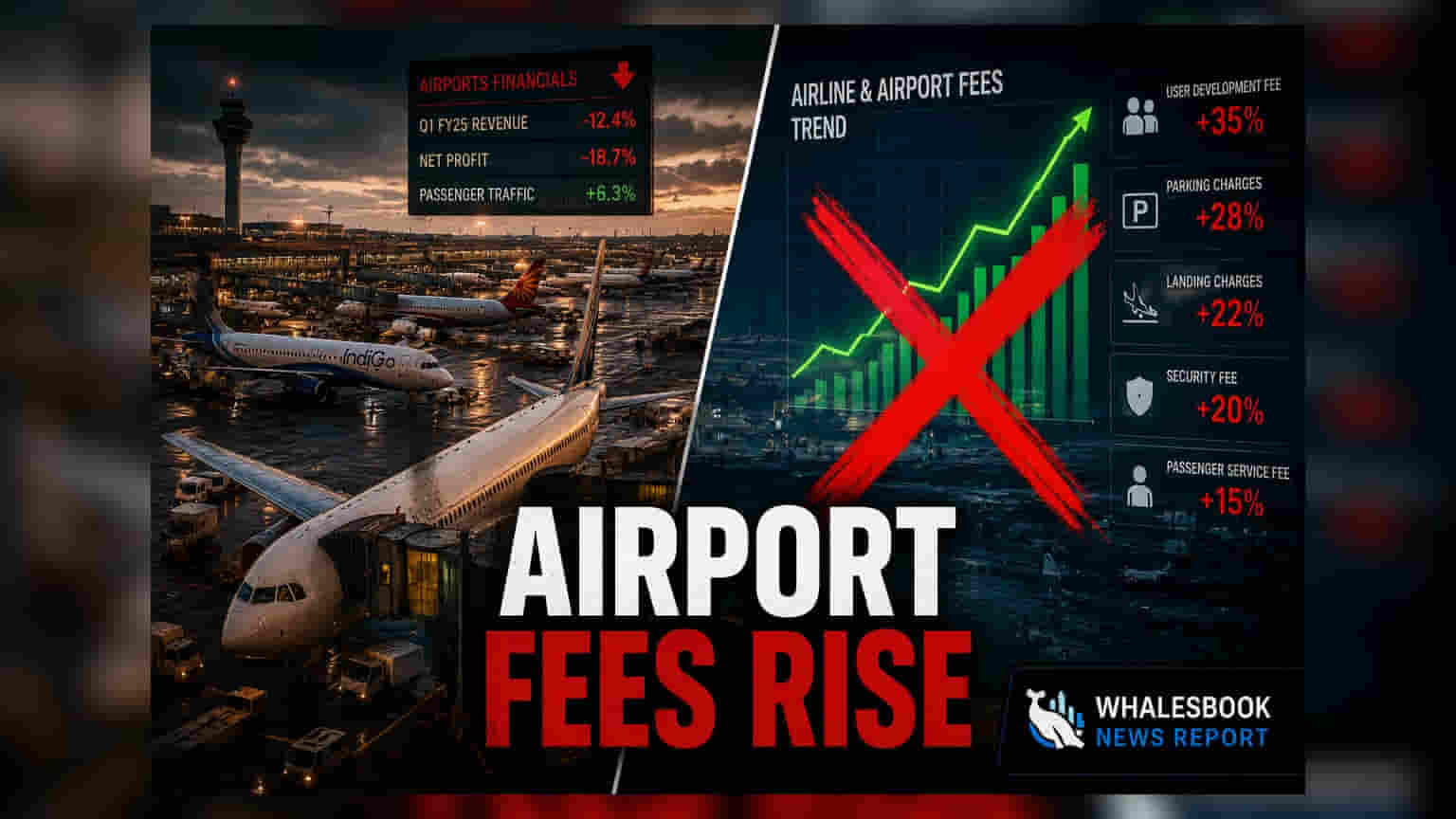
Private airport operators have requested the civil aviation ministry to end the 25% discount on landing and parking charges for domestic flights. The concession, originally introduced to help airlines during the West Asia conflict, is set to expire on July 6, with operators now seeking to recover the lost revenue.
What Happened
The Association of Private Airport Operators (APAO), which represents 16 major airports across India including Delhi and Mumbai, has asked the civil aviation ministry to discontinue the 25% reduction in landing and parking charges for domestic flights. This relief measure was introduced on April 7, 2026, as a temporary support for airlines facing cost pressures due to the West Asia conflict. With the three-month period ending on July 6, 2026, airport operators argue that the situation has stabilized and the concession should not be extended.
Impact on Airport Finances
Airport operators have stated that these concessions affect their planned cash flows. Airports carry high fixed costs, such as maintenance, debt servicing, and staff expenses, regardless of flight volume. By offering these discounts, operators have faced a shortfall in the revenue streams originally approved by the Airports Economic Regulatory Authority (AERA). The association suggests that if these concessions continue, it may strain the ability of private players to fund ongoing and future airport infrastructure projects, which often require significant capital spending.
The Proposal to Recoup Fees
To manage the financial impact of the revenue already waived, the APAO has proposed a 'truing-up' mechanism. They are asking the government for permission to deduct the total amount of waived landing fees from the concession fees or revenue shares that airports typically pay to the government for the 2026-27 financial year. Under this proposal, the recovered amounts would be paid back to the relevant authorities later, without any interest or penalties, ensuring that the financial burden is shared rather than borne solely by the airport operators.
Understanding the Business Context
This request highlights the ongoing balancing act between airport operators and airlines. Airlines often face volatile operating costs, such as fluctuating aviation turbine fuel prices, while airport operators manage high-debt models built on long-term infrastructure investments. AERA regulates these charges to ensure that airports remain financially viable while protecting consumers from excessive costs. The outcome of this request will determine whether airlines will see an increase in operating costs starting after July 6, or if the government will continue to prioritize airline relief over the immediate revenue recovery of airport operators.
What Investors Should Track
Investors should monitor the civil aviation ministry’s official response to the APAO proposal. Key monitorables include whether the ministry approves the rollback of the charges, the specific timeline for the 'truing-up' process if allowed, and any resulting impact on the profit margins of major airport-linked listed entities. Furthermore, any commentary from AERA regarding these revenue adjustments will be important for assessing the long-term financial stability of these projects.