

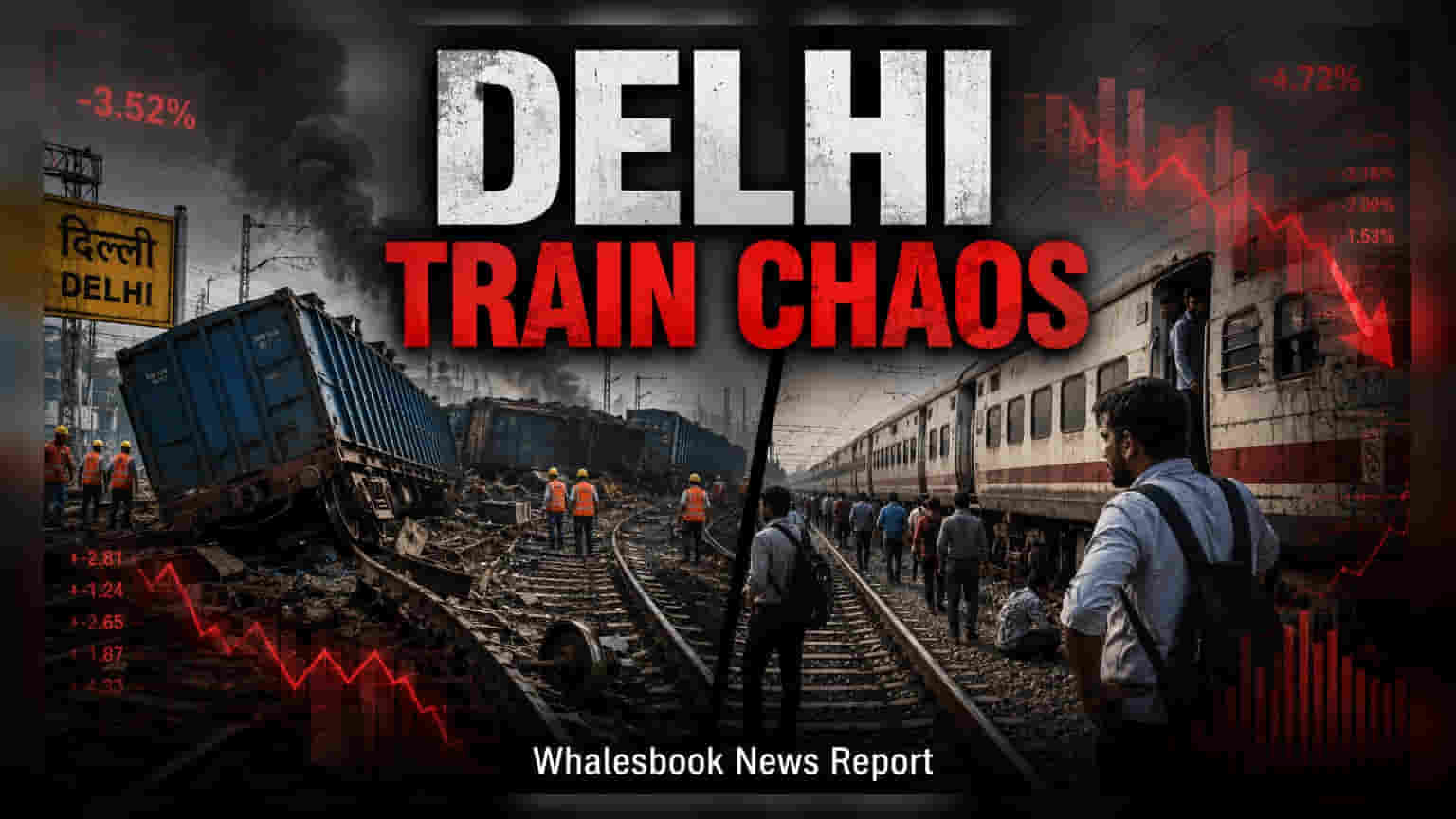
A freight train derailment on the Delhi-Ghaziabad route has led to the cancellation or diversion of 53 passenger trains on Tuesday. While no injuries were reported, the incident has caused significant operational delays in a key transit corridor.
Detailed Coverage
Operations on the critical New Delhi-Ghaziabad railway section faced severe disruptions on Tuesday following the derailment of six wagons from a freight train. The incident has triggered a ripple effect across the Northern Railway network, impacting the schedules of 53 passenger trains, which have either been cancelled, diverted, or partially terminated.
Northern Railway officials confirmed that the derailment occurred early Tuesday morning. Himanshu Shekhar Upadhyay, the Chief Public Relation Officer for Northern Railway, stated that senior officials, including the Divisional Railway Manager, have arrived at the site to oversee the situation. Authorities have clarified that there were no casualties resulting from the accident.
Operational Impact on Rail Infrastructure
The Delhi-Ghaziabad stretch is one of the busiest corridors in the Indian rail network, serving as a vital link for both freight and passenger traffic moving in and out of the national capital. Frequent disruptions on this route can lead to significant logistical challenges for public transport. As this is a major artery, the sudden halt in movement often forces a cascading effect on train arrival and departure times across northern states, leading to increased pressure on alternative transport modes and station infrastructure.
While restoration teams are actively working to clear the tracks and stabilize the affected wagons, the exact cause of the derailment remains under investigation. Similar incidents in the past have typically prompted detailed safety audits and technical reviews of track maintenance and rolling stock conditions by railway authorities.
For passengers and logistics planners, the primary concern remains the timeline for full service restoration. While the railway administration is prioritizing the clearance of the tracks, potential delays in the resumption of normal operations may continue to affect travel plans throughout the day. Investors monitoring the infrastructure and logistics sectors often track such events to understand the broader impact on operational efficiency, potential repair costs, and safety compliance protocols within the state-run railway system.