

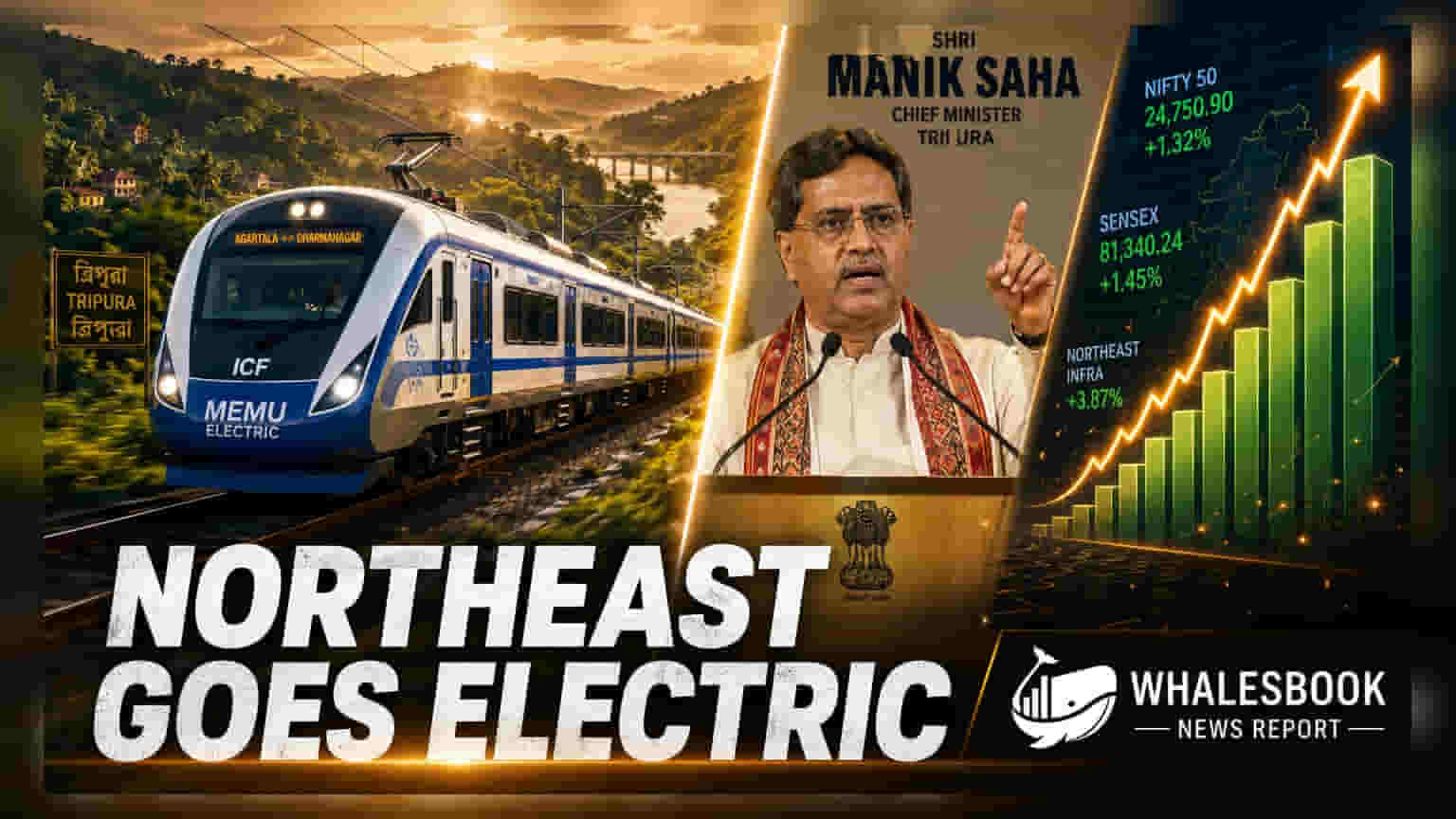
Northeast Frontier Railway has launched the region's first Mainline Electric Multiple Unit (MEMU) train service connecting Agartala and Karimganj. This shift from diesel to electric infrastructure aims to improve travel speed, passenger capacity, and regional economic connectivity starting July 6.
What Happened
Northeast Frontier Railway (NFR) has officially launched its first Mainline Electric Multiple Unit (MEMU) train service in Northeast India. The new service connects Agartala in Tripura to Karimganj in southern Assam. This transition from the older Diesel Electric Multiple Unit (DEMU) system to electric power follows the electrification of the railway route. The train service, designed to accommodate 3,600 passengers, is scheduled to operate six days a week, with full commercial operations beginning on July 6, 2026.
Why This Matters for Regional Connectivity
The introduction of electric train services is a major shift for the Northeast railway network. By moving away from diesel-powered trains, the railway aims to provide a faster and more efficient transit option for daily commuters and traders between the two states. Beyond passenger comfort, the upgrade is intended to foster closer economic ties and trade by providing a more reliable transport alternative to road travel. For the region, this reflects a long-term shift toward sustainable, lower-emission infrastructure.
Infrastructure and Modernization Context
This project is part of a broader, multi-year effort by the Indian Railways to achieve 100% electrification of its broad gauge network. The electrification of routes in the Northeast has been a strategic priority, as it helps reduce dependence on imported diesel and lowers operational costs over the long term. By upgrading to MEMU rakes, the NFR can achieve faster acceleration and deceleration, which is particularly beneficial for short-to-medium distance regional routes that require frequent stops.
The Business Reality for Logistics
While this specific launch focuses on passenger movement, the ongoing electrification of the Northeast network carries importance for freight logistics as well. Improved rail infrastructure typically lowers the cost of moving goods compared to road transportation, which is often hindered by difficult terrain and weather conditions in the region. Enhanced connectivity between industrial hubs and consumption centers is a critical factor for the economic development of states like Tripura and Assam.
Risks and Execution Challenges
Investors should note that maintaining high-speed electric services in the Northeast involves unique challenges. The region is prone to heavy rainfall and challenging geological conditions, which can lead to track maintenance issues and potential service delays. Additionally, while the infrastructure is now in place, the long-term success of these modernized services will depend on consistent maintenance, power supply stability, and demand volume to ensure that the capacity utilization of these new trains remains optimal.
What Investors Should Track
For those watching the infrastructure and rail sector, the key monitorables include the commercial success of this route and any further plans to expand electric services across other sections of the Northeast. Future updates regarding the frequency of trains, the impact on rail freight volumes in the region, and the overall pace of electrification projects in the Northeast Frontier zone will be important indicators of how effectively this modernization strategy is translating into improved regional trade and operational efficiency.