

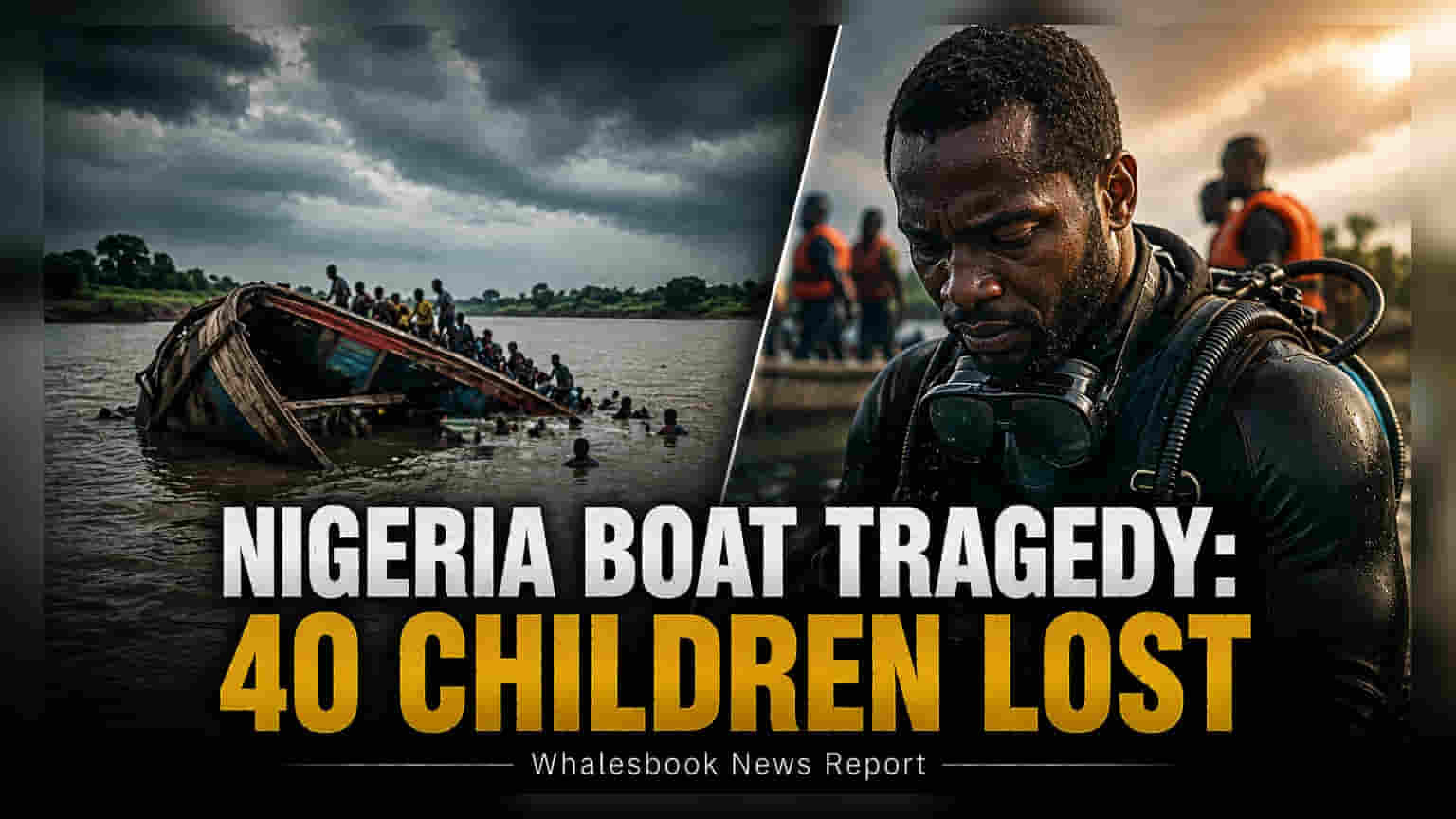
A tragic boat accident in Nigeria's Sokoto state has claimed approximately 40 lives, mostly children, after an overloaded vessel capsized. The incident highlights severe safety and infrastructure challenges in the region's inland water transport system, where many communities remain heavily dependent on waterways due to limited road connectivity.
A devastating incident occurred on Thursday in Nigeria's Sokoto state, where a heavily overloaded boat capsized, resulting in the loss of approximately 40 lives, identified primarily as children. The vessel was reportedly transporting passengers for agricultural activities, specifically tied to the local rice planting and harvesting season.
Overloaded Vessel Capsizes in Nigeria
Local authorities and community members have been engaged in ongoing search and rescue operations. Abdulkadir Yusuf, an area manager for the National Inland Waterways Authority, confirmed the recovery figures. While estimates regarding the total number of passengers on board vary, reports suggest the vessel was significantly over capacity, a recurring issue that exacerbates safety risks in water-based transportation.
For communities in regions like Sokoto, waterways often serve as the primary mode of connectivity due to a lack of developed road infrastructure. However, the reliance on these routes without adequate safety protocols or well-maintained vessels has led to frequent tragedies. This accident is part of a series of fatal incidents in Nigeria’s inland waterways, where overloading and the absence of basic safety equipment like life jackets remain critical, unaddressed concerns.
Recurring Infrastructure and Safety Risks
Nigeria has a documented history of fatal boat accidents, many of which stem from similar operational failings. In past years, several incidents have claimed dozens of lives across various states, including the Niger River and Yobe River. These recurring events reflect broader developmental challenges, including the need for better vessel regulation, stricter enforcement of capacity limits, and the creation of safer transportation alternatives.
For observers of emerging markets, these frequent infrastructure-related accidents underscore the developmental bottlenecks present in rural logistics. The inability to provide safe, reliable public transport limits local economic activity and places communities at constant risk. As rescue operations continue, the focus for local authorities remains on recovering the remaining missing individuals and addressing the long-standing safety deficits in the region's water transportation sector.