 Whalesbook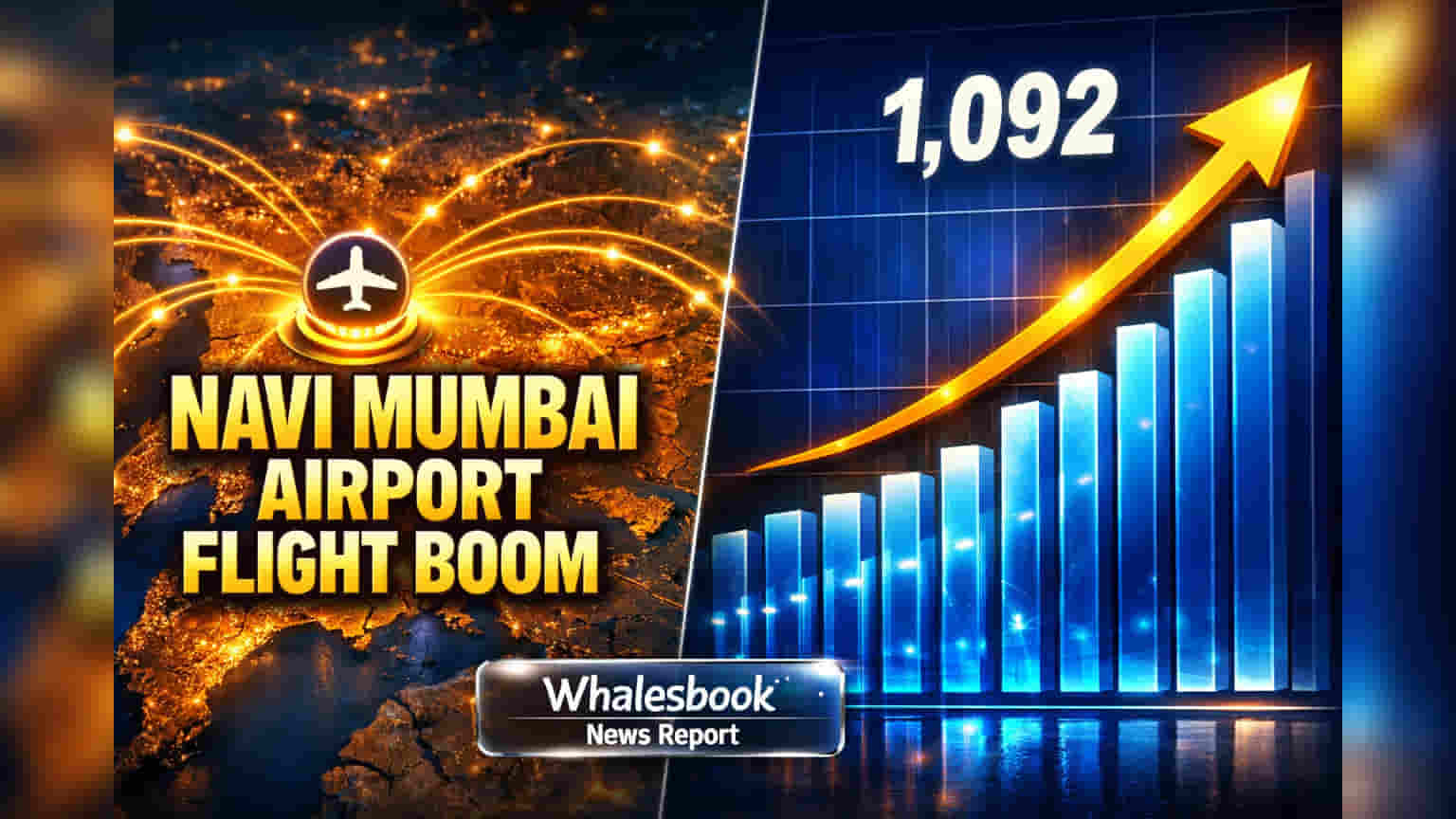
NMIA Gears Up for Major Growth
The Navi Mumbai International Airport (NMIA) is entering a key phase as it ramps up operations. The airport, designed to boost India's growing aviation infrastructure, will soon handle over a thousand flights weekly. This acceleration from its initial operations aims to improve travel links and meet passenger demand in the Mumbai Metropolitan Region. For Adani Airport Holdings Ltd. (AAHL), this expansion is a strategic move to strengthen its market standing against strong rivals and capitalize on the Indian aviation sector's rapid growth.
Flight Operations Set to Skyrocket
NMIA plans a significant boost in flights, scheduling 1,092 weekly operations from March 29 to October 24, 2026. This includes an average of 156 daily flight movements. The airport, which began commercial operations on December 25, 2025, will expand its network to 46 destinations. Three major airlines – IndiGo, Akasa Air, and Air India Express – will offer services on these routes, including 30 new domestic connections. This expansion aims to serve key commercial, tourism, and religious centers, increasing travel options and catering to strong demand in a major economic area. The project's development spanned over three decades and overcame many obstacles.
Adani's Strategy and Market Challenges
Adani Airport Holdings Ltd. (AAHL), which runs NMIA, is positioning itself in India's fast-growing aviation market, currently the world's third largest for domestic travel. AAHL previously handled 94 million passengers in FY25, showing a 3% increase in Q1 FY26. The company plans to generate 70% of its income from sources like retail, food, and services by 2030, investing ₹20,000 crore in developments around its airports, especially in Mumbai and Navi Mumbai. This aggressive strategy compares to its main competitor, GMR Airports Ltd., which reported ₹10,800 crore in revenue for FY25. The Indian government supports aviation growth by investing in new airports, aiming for 350-400 by 2047. The sector is growing at 8.3% annually, much faster than the global rate. NMIA's initial phase cost about ₹16,700 crore and is meant to ease crowding at Mumbai's current airport.
High Costs and Competition Pose Risks
Despite the planned growth, NMIA and AAHL face significant challenges. The Adani Group's financial approach involves considerable borrowing, similar to how GMR Airports carries over ₹414 billion in debt. AAHL plans to invest up to ₹500 billion in NMIA's development across two stages, requiring careful financial planning and steady income. Building airports is expensive and takes a long time to become profitable; NMIA itself was planned over 30 years ago. Relying on income from shops and services can offer better profits but makes the airport vulnerable to changes in consumer spending and market ups and downs. The rapid growth of India's aviation market, supported by government plans and new airport developments, also means more competition. NMIA must manage its operations and costs effectively against both existing airports and new ones. Achieving its income targets from non-ticket sales will be crucial to cover the large initial investment and ongoing operational expenses.
Outlook for India's Aviation Sector
India's aviation sector is expanding, supported by economic growth and government initiatives, positioning NMIA to capture a large part of the increasing passenger and cargo traffic. AAHL's focus on investing in income from services and improving digital customer experiences matches industry trends. The sector is expected to grow 8-9% annually until 2030, with passenger numbers potentially reaching 580 million by FY2030. NMIA's new schedule and routes are expected to help this growth, making it a key entry point for the Mumbai Metropolitan Region. Experts believe major city airports will see substantial growth in revenue from non-aviation services, due to rising consumer spending. AAHL's possible stock market listing by March 2027 highlights its strategic role within the Adani Group's infrastructure projects.