

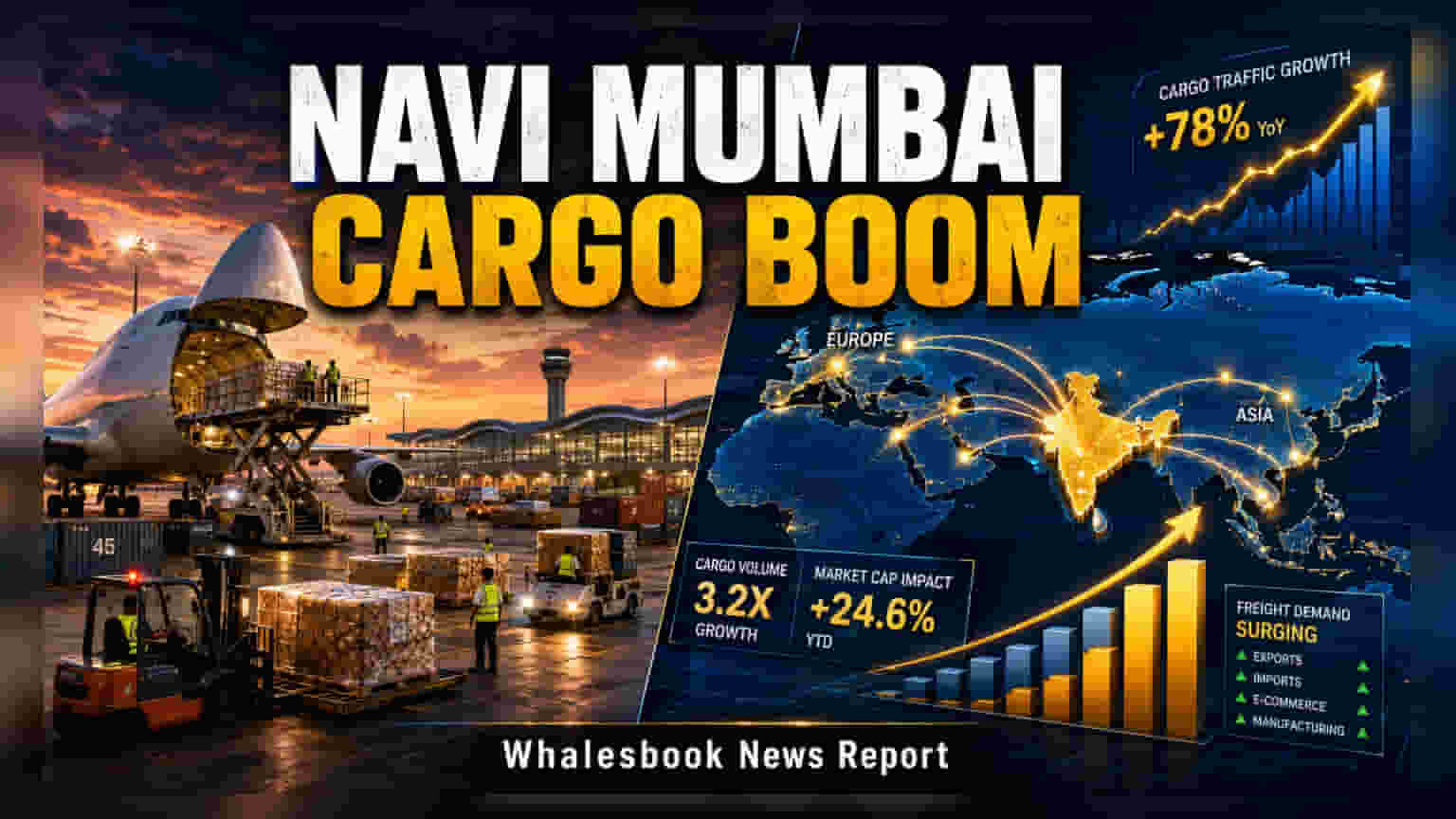
Navi Mumbai International Airport (NMIA) has officially commenced international freighter operations with 13 airlines scheduled to launch services. This expansion follows the temporary suspension of dedicated freighter flights at Mumbai's Chhatrapati Shivaji Maharaj International Airport, which is undergoing runway maintenance until May 2027. The shift presents a major operational test for the new airport as it becomes a critical logistics hub for the region.
Navi Mumbai International Airport (NMIA) has begun a significant expansion of its logistics capabilities, welcoming a surge in freighter operations. Thirteen international airlines have received regulatory approval to launch cargo services at the airport. This development marks a pivotal shift for the Mumbai Metropolitan Region's air cargo network, as the airport steps in to handle essential logistics traffic.
The rapid increase in activity is largely driven by a temporary suspension of dedicated freighter flights at Mumbai’s Chhatrapati Shivaji Maharaj International Airport (CSMIA). To facilitate critical infrastructure upgrades, including runway re-carpeting and taxiway improvements, CSMIA has paused its freighter operations from August 2026 until May 2027. This move has forced air cargo carriers to migrate their services, and NMIA has emerged as the primary alternative for these airlines.
Hong Kong Air Cargo has commenced a thrice-weekly service, utilizing an Airbus A330-200F to connect the region directly to global trade routes. Similarly, IndiGo CarGo initiated its operations at the airport on August 1, 2026, launching a service to Sharjah. These additions are designed to maintain supply chain continuity for businesses that rely on the Mumbai region for imports and exports.
From an operational standpoint, this is a significant stress test for the newly developed airport, which is managed by Adani Airport Holdings. The ability to handle a sudden influx of international freighter flights requires high efficiency in ground handling, logistics, and regulatory compliance. As these services are ramping up quickly, the airport operator is navigating the complexities of integrating new flight schedules and customs processing protocols to support the sudden increase in volume.
Investors should monitor the operational stability of NMIA during this nine-month transition period. While the current volume of freighter traffic is being boosted by the closure at CSMIA, the long-term success of the airport as a logistics hub will depend on its ability to retain these carriers once the primary Mumbai airport resumes its full operations in May 2027. Additionally, the airport remains subject to oversight by the Airports Economic Regulatory Authority, which influences the tariff structures and revenue models for such facilities. The success of this transition will serve as a key indicator of the airport’s infrastructure readiness and its capacity to serve as a long-term logistics gateway for Western India.