 Whalesbook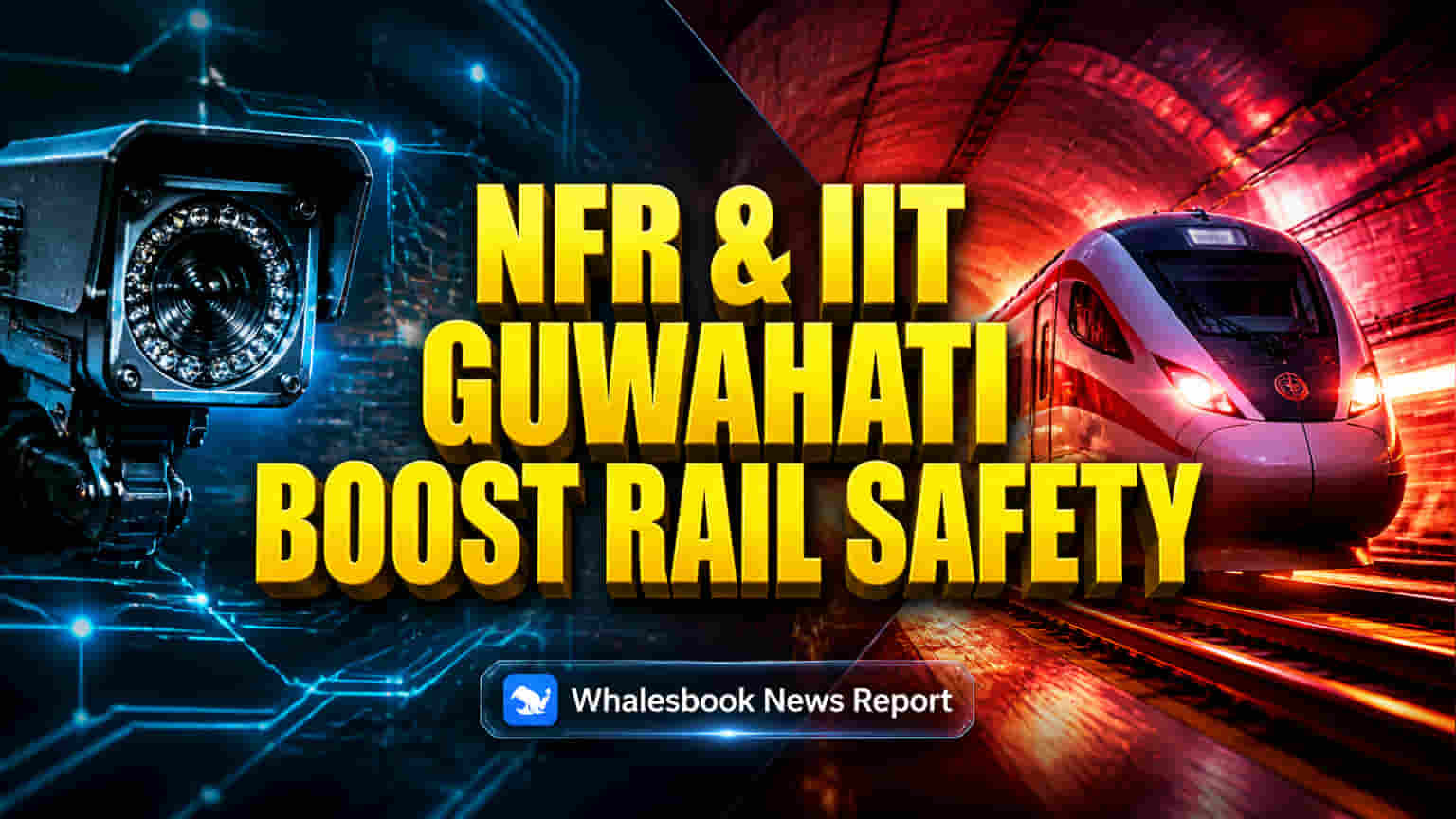


Boosting Efficiency and Security
Northeast Frontier Railway's (NFR) partnership with the Indian Institute of Technology-Guwahati (IIT-G) marks a significant step in modernizing its operations. By using an advanced camera system equipped with Inertial Measurement Unit (IMU) sensors and GPS technology, NFR aims for continuous, accurate monitoring of track conditions and better overall security. This initiative goes beyond just safety; it's designed to significantly improve operational efficiency through predictive and condition-based maintenance. This aligns with India's national plan for infrastructure development, which emphasizes connected transport and technology-driven management. In the last financial year (2025-26), Indian Railways saw major investments in infrastructure, with NFR alone completing a record number of track renewals. This collaboration with IIT-G allows NFR to apply academic research to create practical, cost-effective solutions. The goal is to reduce dependence on manual inspections and prevent potential failures before they happen, ultimately increasing reliability and operational uptime.
Broader Railway Modernization Efforts
This collaboration between NFR and IIT-Guwahati is part of a larger trend where Indian Railways is integrating advanced technologies nationwide to enhance safety and efficiency. Indian Railways has made significant progress in safety, with a substantial reduction in serious train accidents since 2014-15. The rollout of the indigenously developed Automatic Train Protection (ATP) system, Kavach, on key routes, along with extensive track upgrades, demonstrates this commitment. Other railway zones are also adopting similar technological advancements. For example, AI/ML-powered Machine Vision Inspection Systems (MVIS) are being tested in NFR and other regions to identify components on moving trains, complementing track monitoring. Additionally, Integrated Track Monitoring Systems (ITMS) are being deployed across all zones. These systems use machine learning and image processing to detect detailed track defects, enabling proactive maintenance planning. IIT-Guwahati plays a key role in developing such advanced solutions, including research into real-time monitoring, energy-saving systems, and disaster resilience for railways. Historically, Indian Railways has faced challenges from aging infrastructure, with nearly half of its track network being over 50 years old, which led to operational delays. Initiatives like this new partnership directly address these past issues by introducing modern, data-driven inspection and maintenance strategies, aiming to improve the efficiency and reliability that was once limited by older systems.
Challenges Ahead
While the new monitoring systems from NFR and IIT-Guwahati represent a forward-looking strategy, the Indian railway system still faces significant challenges. Partnerships with academic institutions can sometimes lead to longer development times or difficulties in scaling up solutions from research to widespread use. The vast scale of Indian Railways and the challenge of integrating new technologies with existing systems are major hurdles. The effectiveness of this specific camera system will depend on its smooth integration with current maintenance processes and its ability to withstand the demanding operational environment of the Northeast, which is also prone to natural disasters. Furthermore, while the system promises predictive maintenance, proving its actual cost savings and reduction in manual inspection needs will require thorough validation and long-term performance data. The sector also faces a challenge in preparing its workforce for advanced technologies; training and skill development are essential for effectively using these sophisticated systems. Competition from other monitoring technologies and the risk of rapid obsolescence in a fast-changing tech world also present potential issues. Ultimately, the success of such projects relies on ongoing funding and a clear implementation plan, which can be affected by the bureaucratic and budgetary processes common in large public sector organizations.
Looking Ahead
The deployment of advanced monitoring technology by NFR is in line with Indian Railways' overall vision for a modern, data-driven, and efficient network. This effort supports the National Rail Plan 2030, which aims to boost traffic capacity, electrification, and freight volume through technological upgrades. The wider Indian railway sector is receiving substantial investment, with spending expected to grow and revenues projected for moderate increases. Expert views suggest a positive long-term outlook for railway-related companies, driven by infrastructure development and the adoption of technology. The collaboration with IIT-Guwahati is a prime example of using academic expertise to foster the development of local technology, a key objective for Indian Railways. As NFR integrates this advanced system, it contributes to the national goal of achieving safer, more reliable, and technologically advanced rail operations, aligning with broader efforts to transform India's infrastructure and logistics capabilities.