

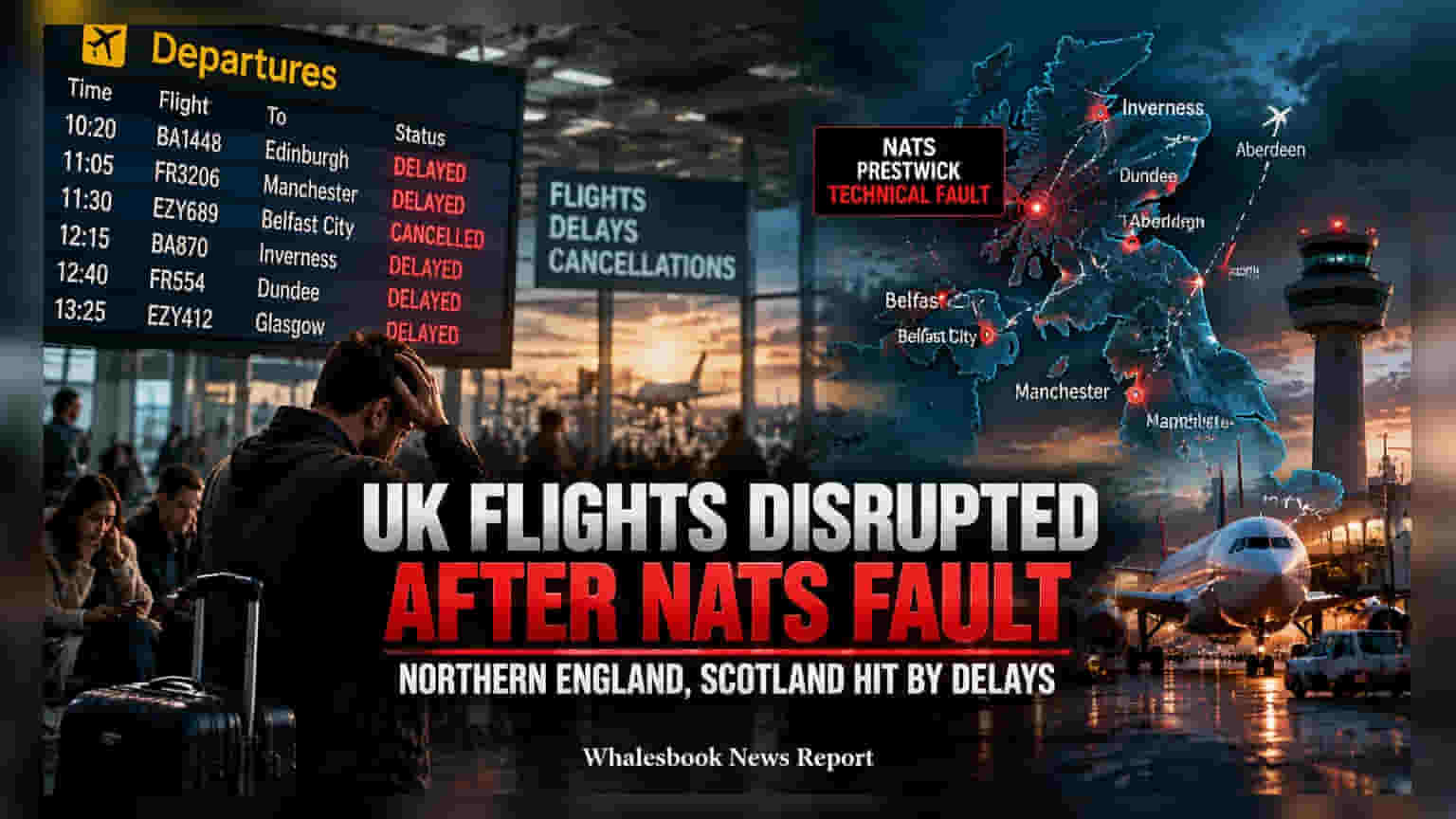
A technical failure at the Prestwick air traffic control center has triggered flight delays and cancellations across northern England, Scotland, and Northern Ireland. The operational disruption impacts schedules for airlines including Ryanair and British Airways, adding pressure to UK aviation infrastructure following a major system outage earlier this month.
National Air Traffic Services (NATS) reported a technical fault at its Prestwick control center in Scotland on Monday, leading to flight delays and cancellations across northern England, Scotland, and Northern Ireland. The incident forced airspace restrictions to ensure safety, affecting regional operations. While the disruption did not hit London airports with the same intensity, hubs including Edinburgh, Manchester, and Belfast City reported significant scheduling delays throughout the day.
Although NATS stated this issue is separate from the major software failure that occurred on September 8, the repeat of infrastructure problems has increased scrutiny of the provider. Airlines, including Ryanair and British Airways, are navigating the operational fallout, which forces changes to flight schedules and creates logistical challenges. Highlands and Islands Airports Limited also reported operational hurdles at regional locations like Dundee and Inverness.
For investors and stakeholders, the key concern is the operational reliability of the UK's aviation infrastructure. Frequent technical issues force airlines to manage unexpected costs related to scheduling, passenger support, and potential compensation. While these events are often temporary, repeated failures can lead to increased regulatory pressure on NATS to invest in more stable systems. The government is currently conducting an independent review of the September 8 outage, and this latest incident adds weight to calls for a permanent infrastructure fix.
Passengers are currently advised to check the status of their flights directly with their airlines before traveling to the airport. The immediate monitorable for the industry is how quickly NATS can restore full system stability and whether this latest fault points to broader, unresolved issues within the air traffic management network.