

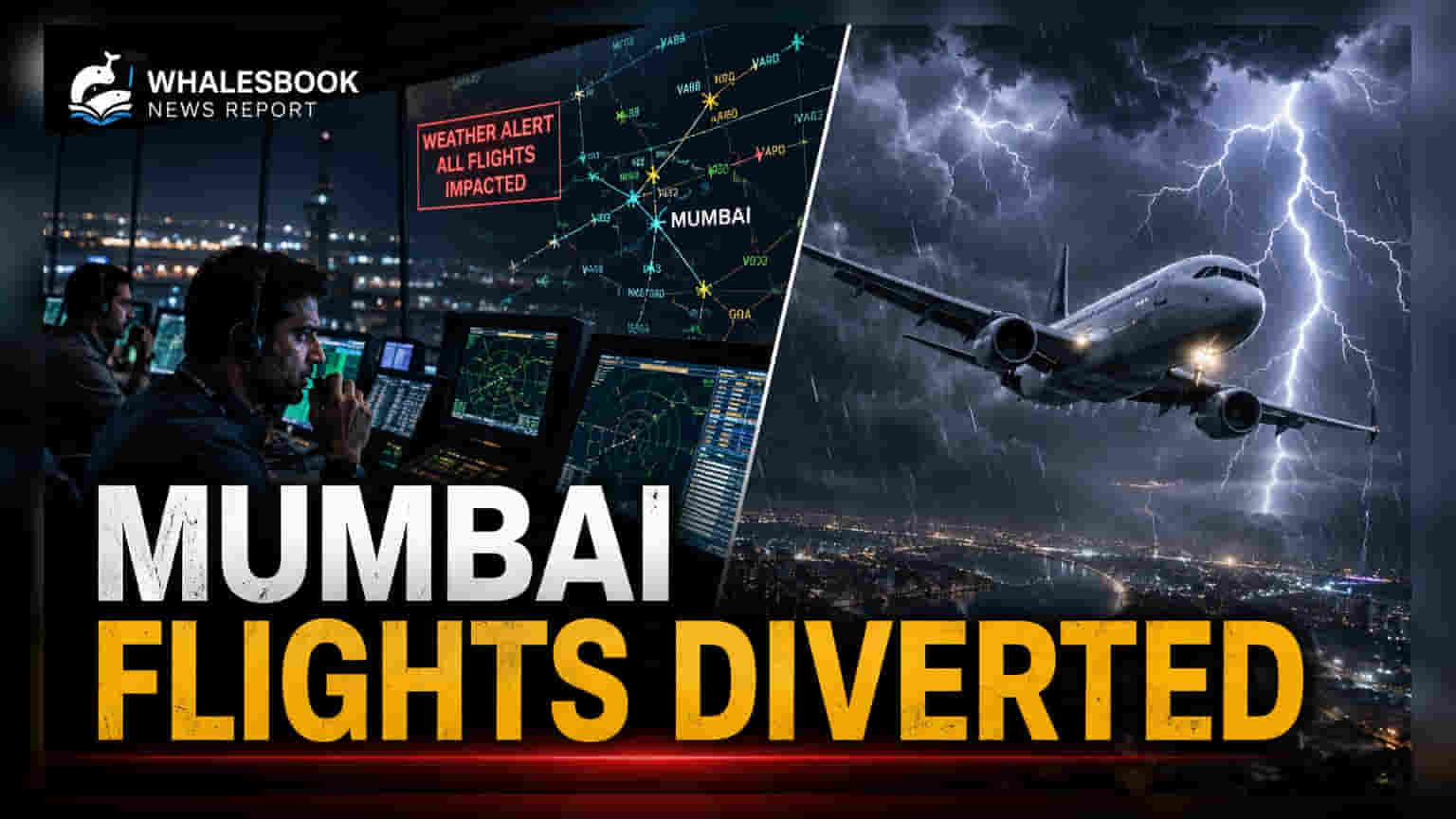
Torrential rain in Mumbai forced the diversion of 22 flights on Saturday, affecting operations for IndiGo, Air India, and other carriers. The weather event caused significant disruptions to air, road, and rail traffic across the city, potentially impacting logistics and operational costs for aviation companies.
What Happened
Mumbai's Chhatrapati Shivaji Maharaj International Airport experienced major operational disruptions on Saturday due to severe, persistent rainfall. Poor visibility and difficult flying conditions forced pilots to divert 22 incoming flights to nearby airports, including Surat, Ahmedabad, and Goa. Among those affected were multiple services operated by IndiGo and Air India. While some aircraft were able to complete their journey to Mumbai after conditions improved, the incident caused significant delays across the airport's schedule.
Impact on Aviation Operations
For airlines like IndiGo and Air India, unexpected diversions create immediate operational challenges. When a flight is rerouted, the airline must manage fuel reserves, passenger inconvenience, and downstream schedule delays. These incidents can lead to higher fuel consumption, additional crew costs, and potential compensation requirements for passengers facing significant wait times. Investors often track such weather-related disruptions as they can occasionally impact the quarterly operating margins of domestic carriers, especially if disruptions are frequent or prolonged.
The Broader Infrastructure Context
The heavy downpour also caused broader chaos in Mumbai, with reports of road waterlogging, traffic jams, and disruptions to local rail services. While these events are common during the monsoon season, persistent weather-related issues can affect workforce productivity and the movement of goods in the region. For companies with major operations or headquarters in the city, severe weather is a recurring operational risk that can influence short-term productivity.
Why Investors Monitor These Events
While a single day of weather-related disruption is rarely material to the long-term stock performance of an airline, investors look at the frequency and severity of such events. Aviation is a business of tight margins where timely operations are critical for profitability. Frequent disruptions can lead to increased costs and customer dissatisfaction, which may pressure an airline’s brand reputation and bottom line. Additionally, persistent infrastructure issues in major hubs can act as a bottleneck for capacity growth.
What Investors Should Track
Moving forward, the primary monitorables for airline investors include the airline's ability to manage costs during periods of high disruption, overall yield per passenger, and fuel price volatility. Investors may also watch for management commentary regarding operational resilience and any updates on airport infrastructure improvements that might help mitigate the impact of extreme weather in the future.