

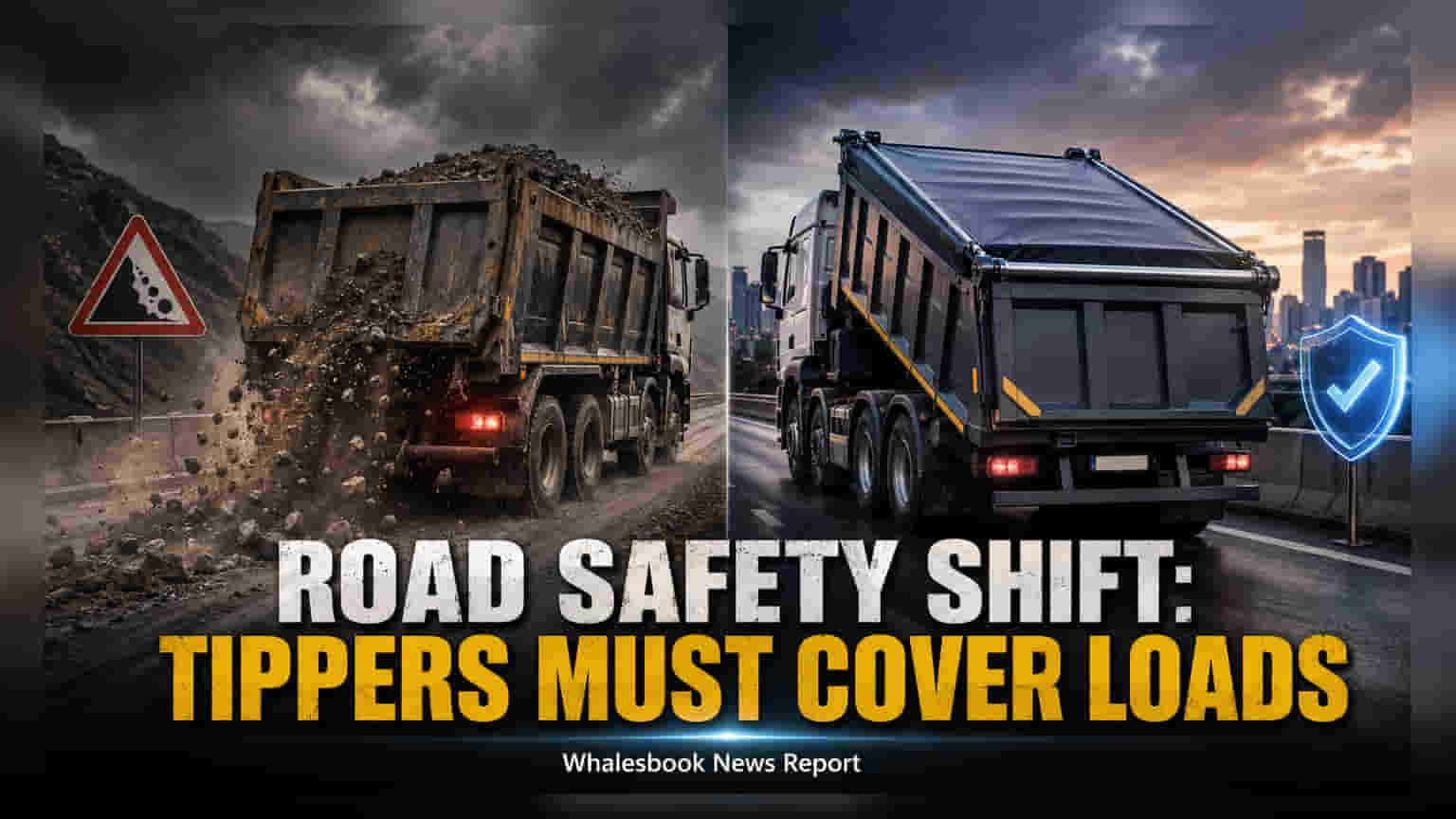
The Ministry of Road Transport and Highways has issued a new rule requiring all tipper and dumper trucks to feature mechanized load-covering systems by April 1, 2027. This regulatory shift aims to improve road safety and curb debris pollution. For investors, this mandate may drive new demand for integrated equipment solutions, potentially benefiting organized commercial vehicle manufacturers and established component suppliers.
The Ministry of Road Transport and Highways (MoRTH) has formally introduced a new mandate requiring all tipper and dumper trucks to be equipped with mechanized load-covering systems. Published in the Gazette of India on August 7, 2026, the regulation requires full implementation by April 1, 2027. This move is designed to enhance road safety by preventing the spillage of construction materials like sand, soil, and gravel, while also addressing environmental concerns regarding dust and odor control.
Impact on Commercial Vehicle OEMs and Operations
This regulation represents a shift for the commercial vehicle industry. Currently, many tippers and dumpers in India utilize manual or basic covering methods that are often prone to failure. By mandating integrated, mechanized systems—whether electrical, hydraulic, or mechanical—the government is pushing the sector toward standardized, factory-fitted solutions. This change may create a new revenue stream for original equipment manufacturers (OEMs) and established automotive component suppliers. Fleet operators will likely prioritize reliable, integrated kits to ensure compliance, potentially shifting business away from unorganized aftermarket providers toward companies that can offer durable, compliant hardware.
Technical Challenges and Implementation Risks
While the mandate aims to improve safety, it introduces new operational complexities. A key monitorable for investors will be the impact on vehicle payload capacity. If the mass of the new mechanized covering system is significant, it could reduce the net load-carrying ability of the truck, potentially affecting operating efficiency for fleet owners.
Furthermore, these vehicles typically operate in harsh mining and construction environments. Maintaining sophisticated electrical, mechanical, or hydraulic systems in such conditions poses a significant maintenance challenge. If these systems are not robust, they could lead to frequent downtime and increased operating costs. To address immediate industry concerns, the ministry has provided relief by confirming that the covering hardware will not be included in the vehicle’s statutory height measurement, which simplifies the design process for manufacturers.
Driver Safety Features
Beyond the physical cover, the amendment mandates an in-cabin audio-visual alert system. This technology will warn the driver if the load cover is open or improperly secured, adding another layer of compliance. Investors should monitor how major commercial vehicle players integrate these systems into their product lineups and whether aftermarket service networks can scale effectively to meet the demand for retrofitting the existing fleet before the April 2027 deadline.