

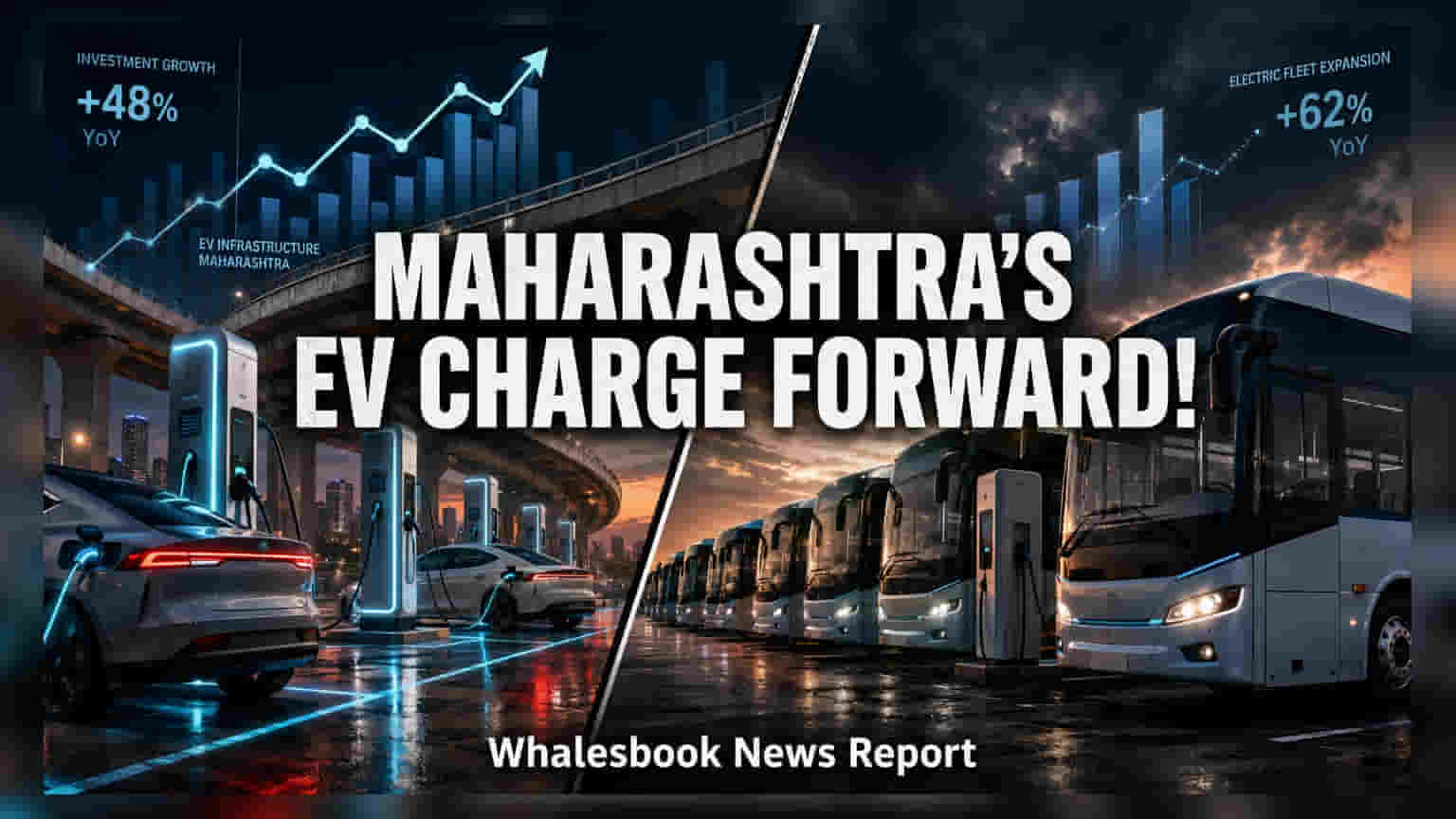
The Maharashtra government is launching a plan to establish EV charging stations at MSRTC depots and RTO offices. Authorities are also exploring public-private partnerships to install charging units on state flyovers. This infrastructure expansion aims to address the lack of charging points, a critical hurdle for EV adoption, and supports MSRTC's goal to fully electrify its bus fleet by 2036.
The Maharashtra government is initiating a significant expansion of its electric vehicle (EV) charging infrastructure by leveraging state-owned land and existing infrastructure. Transport Minister Pratap Sarnaik announced that the state plans to set up charging facilities at Maharashtra State Road Transport Corporation (MSRTC) depots and Regional Transport Offices (RTOs) across the state. The administration is also exploring a novel proposal to install charging stations on flyovers through public-private partnerships (PPPs).
This infrastructure rollout is designed to tackle the issue of range anxiety, which remains a primary barrier for potential electric vehicle buyers in India. By utilizing land already held by MSRTC and RTOs, the government intends to provide more accessible charging options. The proposed use of flyover space—managed by agencies such as the MMRDA, MSRDC, and PWD—is intended to turn existing road infrastructure into functional charging hubs for both commercial and private vehicles.
As part of this shift, MSRTC has committed to an ambitious goal of transitioning its entire bus fleet to electric by 2036. This target aligns with broader national electrification goals, though achieving it will require massive investment in both fleet procurement and the necessary grid capacity to support charging at depot locations.
For investors and the broader industry, this policy shift creates opportunities within the EV ecosystem. While MSRTC is a state-owned corporation, the actual installation and operation of charging stations are expected to involve private sector participation. Companies specializing in power distribution, EV charger manufacturing, and fleet management will likely track the tender process for these government-sanctioned sites.
However, there are risks to consider regarding the commercial viability of these projects. The success of a PPP model depends on consistent vehicle traffic and utilization rates, which are required for private operators to recover their capital investments. Furthermore, large-scale infrastructure projects frequently face execution risks, including delays in land handover, grid connectivity bottlenecks, and the complexity of aligning government policy with commercial tariffs. Investors will need to monitor the speed of the tender rollout and the financial terms offered to private partners, as these factors will determine whether the plan achieves both operational scale and long-term financial sustainability.