

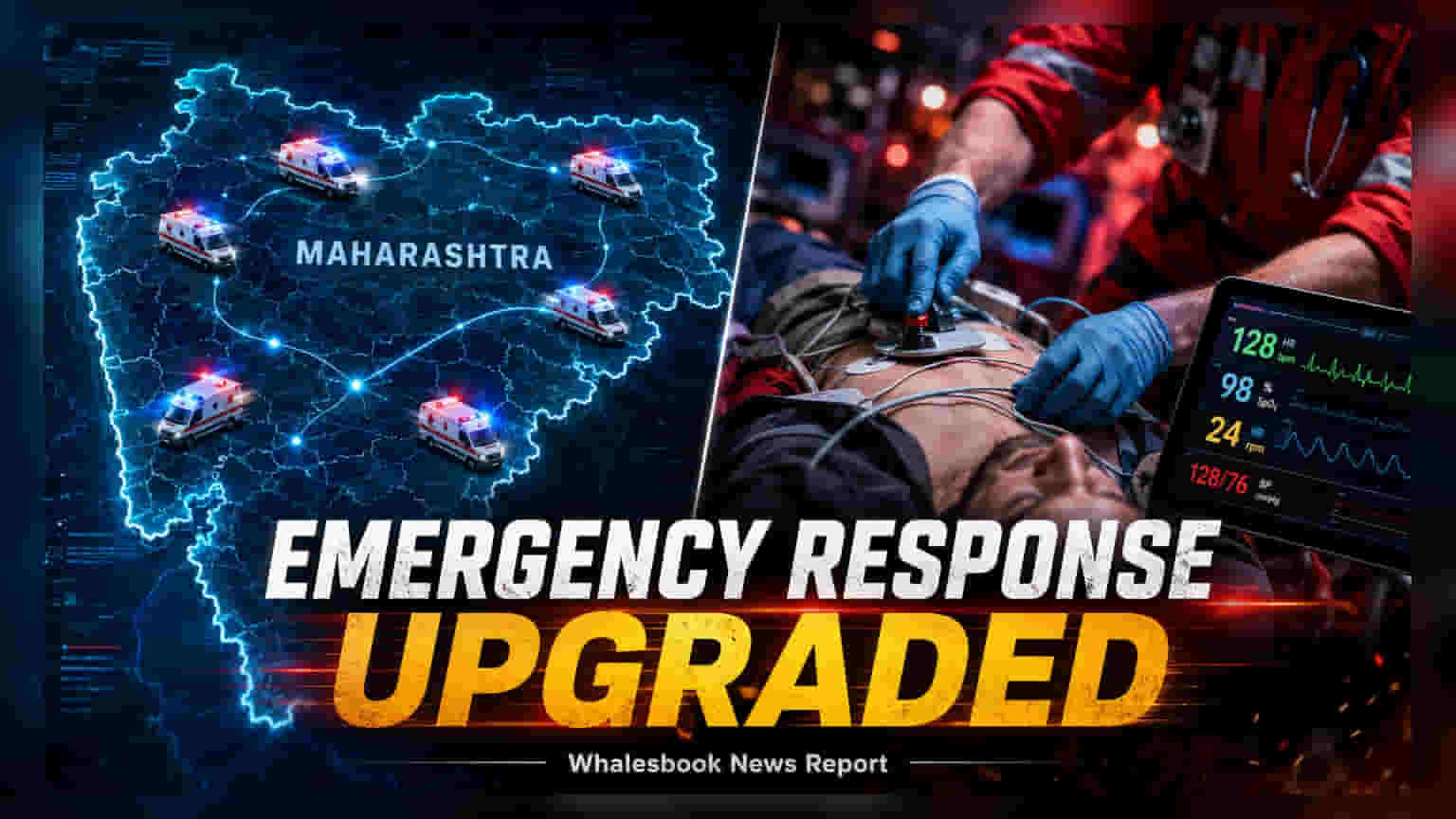
Maharashtra has announced a new ambulance policy requiring real-time digital monitoring for all registered emergency vehicles. The initiative aims to standardize fares, improve response times, and provide citizens with live tracking and booking services via a unified digital platform. This shift targets long-standing issues with arbitrary pricing and inefficient coordination in the state’s emergency transport sector.
The Maharashtra government is launching a comprehensive state ambulance policy to digitize and regulate emergency medical transport. By mandating real-time tracking for every registered ambulance, the state aims to bring transparency to a sector that has historically lacked unified oversight. Transport Minister Pratap Sarnaik confirmed that the policy will integrate all private and public emergency vehicles into a centralized digital ecosystem.
Digital Infrastructure and Operational Control
At the core of this policy is a four-tiered digital platform. A central dashboard will give the Regional Transport Office (RTO) and health departments real-time visibility into vehicle locations and availability. Paramedics will be equipped with in-ambulance tablets to document patient vitals and treatment, while a dedicated driver application will track duty status and performance. For the public, a mobile application will allow users to locate the nearest available ambulance, monitor its live arrival time, and access initial medical guidance via video calls.
Fare Regulation and Consumer Impact
One of the most significant investor and consumer-facing aspects of the move is the strict regulation of ambulance charges. Currently, private operators often set independent prices, which can lead to unpredictable costs during emergencies. Under the new policy, operators must display fare charts directly on the platform. All service costs will be capped based on AIS-125 standards, which classify ambulances by the level of medical equipment and care they provide. By linking these services to a transparent digital ledger, the government aims to prevent overcharging, particularly for patients who rely on these services in time-sensitive situations.
Industry and Operational Context
For private healthcare service providers and ambulance fleet operators, this mandate represents a shift toward more formal business practices. Operators will now need to ensure their fleets meet specific technical requirements, including the use of tablets and GPS-enabled monitoring systems. While this may increase initial capital spending on technology and fleet upgrades for some smaller private players, it also provides a standardized framework for service delivery across the state.
Next Steps for Implementation
Investors and stakeholders should monitor the rollout schedule, specifically the integration timelines for existing private fleets and the potential impact of AIS-125 compliance costs on smaller ambulance providers. The government is expected to release further details on the transition period, registration requirements, and the technical specifications for the in-ambulance equipment. The success of this initiative will ultimately depend on the stability of the digital platform, the speed of adoption by private operators, and the effectiveness of the RTO in enforcing these new fare and monitoring standards.