

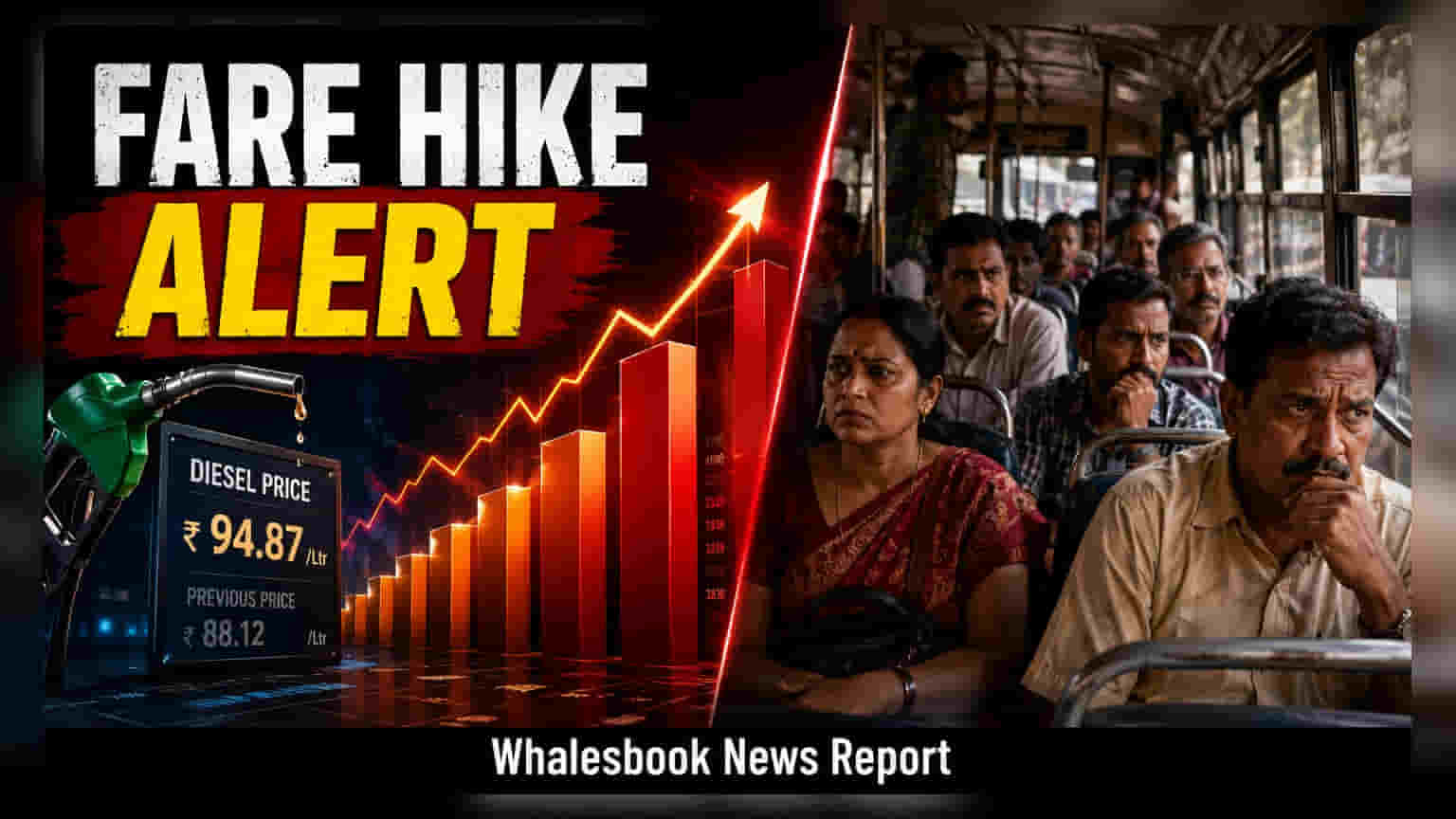
The Maharashtra State Road Transport Corporation has announced a 13.56% average fare hike starting midnight July 17-18. This increase aims to cover rising diesel costs and operational expenses, with new rates impacting both ordinary and premium bus services across major state routes.
The Maharashtra State Road Transport Corporation (MSRTC) will increase bus fares by an average of 13.56% starting from the midnight of July 17 to July 18. The State Transport Authority approved the hike to address the financial strain caused by persistent inflationary pressures on operational expenses. The corporation noted that the adjustment is necessary to maintain service continuity and address the rising costs associated with fuel, employee allowances, and vehicle maintenance.
Updated Fare Structure and Impact
The new pricing model impacts various service categories, with ordinary buses now set at ₹11.40 per stage. Premium and specialized services have also seen adjustments to reflect their operational tiers. For example, Shivneri AC sleeper buses will cost ₹25.35 per stage, while Shivshahi AC seater services are adjusted to ₹14.20 per stage. To simplify ticketing for conductors and passengers, the final fare amounts will be rounded to the nearest ₹5.
Passengers on popular inter-city corridors will notice an immediate increase in travel costs. Trips such as Mumbai to Solapur will see fares rise from ₹705 to ₹800, while the Mumbai to Satara route will move from ₹498 to ₹555. These revisions come as the corporation concurrently withdraws the previously existing 10% seasonal fare surcharge for ordinary bus services, an effort intended to stabilize the base fare structure.
Financial Context and Operational Challenges
MSRTC has faced significant financial pressure due to high diesel prices and the rising costs of spare parts. As a state-run entity, the corporation balances the need for affordable public transport with the requirement for financial sustainability. Historically, state transport undertakings in India have struggled with high operational costs and fixed revenue models, often leading to periodic fare revisions to bridge the gap between expenses and income. The move to increase fares reflects a broader trend among state transport bodies to reduce reliance on state subsidies and improve operational self-sufficiency.
Investors and observers should monitor whether these price adjustments impact passenger volume, especially on routes where private transport alternatives are available. The primary monitorable for the corporation’s financial health will be its ability to manage these rising input costs while maintaining ridership levels. Future updates will likely focus on the corporation's revenue recovery and whether further adjustments are required if fuel price volatility continues.