

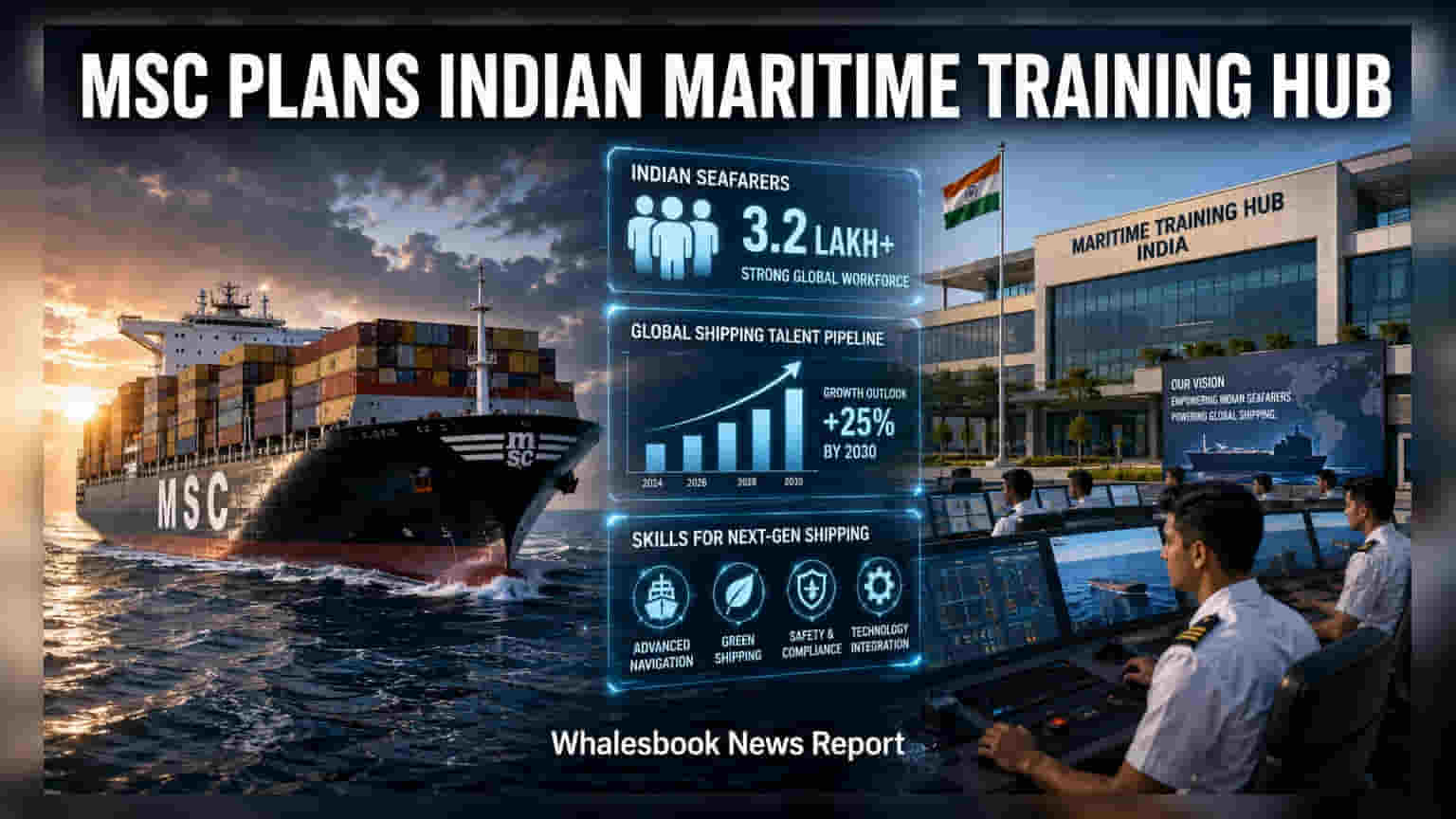
Mediterranean Shipping Company (MSC) is planning a dedicated maritime training facility in India to expand its global workforce. This initiative aims to leverage India's large pool of approximately 3.2 lakh seafarers to meet international shipping standards. Announced during a trade visit to Japan, the project reflects a broader push to integrate India’s skilled labor with the evolving needs of the global logistics and maritime sector.
Mediterranean Shipping Company (MSC) is preparing to establish a specialized maritime training facility in India. This move, discussed by Commerce and Industry Minister Piyush Goyal during a trade mission to Japan, focuses on integrating more Indian personnel into the global shipping giant’s operations. India currently holds a strong position in the maritime labor market, being home to roughly 3.2 lakh seafarers.
The initiative is designed to better align India’s labor supply with the technical requirements of international shipping. As global maritime companies face rising operational costs and a need for highly skilled workers, India offers a significant pipeline of human capital. By establishing local training infrastructure, MSC aims to standardize the skills of its workforce, potentially helping more Indian seafarers meet the rigorous safety and operational standards required for modern vessel management.
This training hub is also part of a larger economic agenda between India and Japan. The collaboration extends beyond maritime labor, touching upon sectors like medical technology, semiconductor manufacturing, and next-generation mobility. Government officials have noted that stable infrastructure investment is serving as a foundation for these industrial ties, with projects like the Mumbai-Ahmedabad bullet train acting as key examples of bilateral economic cooperation.
For the maritime sector, the future of recruitment is closely tied to technological and regulatory shifts. The industry is currently under pressure to reduce carbon emissions and adopt greener, more complex vessel technologies. This creates a specific demand for workers who are trained to operate advanced navigation systems and comply with international environmental regulations. The long-term success of this training facility will likely depend on its ability to keep pace with these rapid changes in maritime technology and global safety standards.
As this project moves from the planning stage to implementation, the next important updates will involve the specific location of the facility, the timeline for its development, and the curriculum designed to prepare Indian seafarers for the next generation of global shipping operations.