

Indian logistics companies are moving from traditional fleet expansion to AI-driven 'asset intelligence' to manage a prolonged festive season stretching from August to January. While major players like Blue Dart are posting strong profit growth, investors are monitoring how companies manage capacity bottlenecks, return costs, and rising warehousing rentals during this high-demand period.
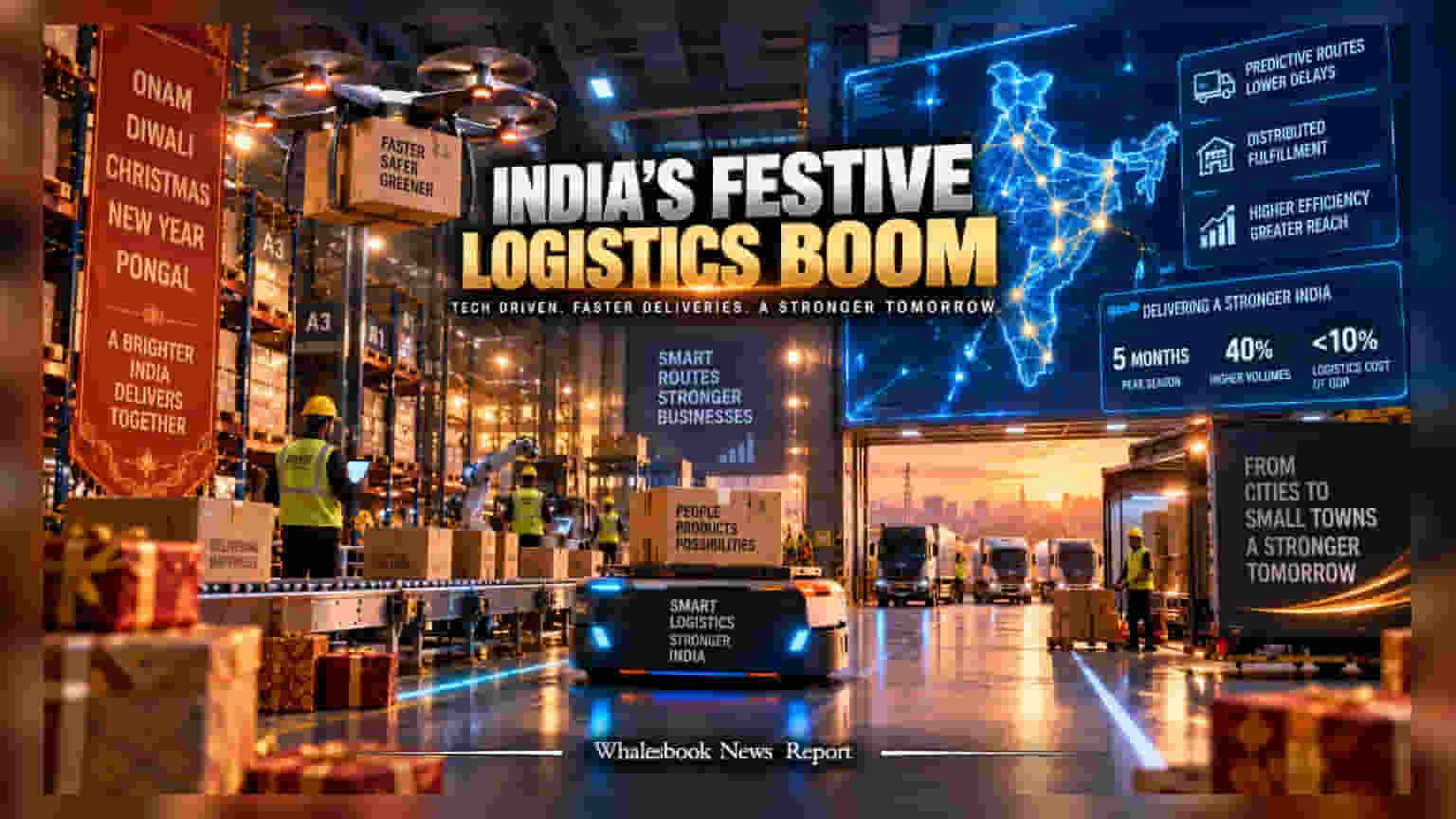
The Indian logistics sector is undergoing a fundamental shift in how it prepares for the country's peak shopping season. What was once a short, explosive spike centered around Diwali has transformed into a sustained five-month period of high demand, running from August with Onam celebrations through to Pongal in January. To handle this, companies are moving beyond the traditional method of simply adding more trucks and warehouses, pivoting instead toward tech-driven 'asset intelligence.'
Scaling Through Digital Intelligence
Rather than relying solely on expanding their physical fleet, major logistics providers are using predictive analytics to optimize how they move goods. By anticipating traffic congestion on specific routes before it happens, firms can reroute shipments in real-time, preventing the delivery delays that often plague the sector during high-volume months.
Companies are also deepening their use of distributed fulfillment. For instance, Flipkart’s logistics arm, Ekart, is utilizing a massive network of micro-fulfillment centers to ensure faster delivery across hundreds of cities. Similarly, players like DTDC Express are expanding their 'Raftaar' vertical to handle the rising demand for quick commerce, focusing on localized distribution centers to stay closer to the end consumer.
Financial Performance and Market Context
This shift toward efficiency is yielding measurable results. Blue Dart Express, for instance, reported a strong performance in its first quarter of the 2027 fiscal year, with a 15 percent growth in revenue and an 85 percent increase in profit after tax. This growth highlights that for companies with strong digital integration, the ability to process higher volumes without a massive increase in fixed assets can significantly boost profitability.
Industry-wide, this efficiency is supported by national efforts to reduce logistics costs, which have reportedly dropped below 10 percent of GDP as of early 2026. This lower cost base helps firms manage the intense operating pressure that comes with the 60-day peak cycle of the festival season.
Key Risks to Watch
While technology offers a competitive edge, the logistics business remains capital-intensive and sensitive to execution delays. As demand volatility increases—with industry experts suggesting volume spikes could reach 40 percent above normal levels—firms face several operational hurdles.
Investors may monitor how companies manage 'Return-to-Origin' or RTO costs, which tend to climb when order volumes are high and fulfillment becomes decentralized. Additionally, there is a clear 'flight to quality' in the real estate market, causing warehousing rentals to rise in key transit hubs. For logistics providers, the ability to pass on these increased rental costs to clients without losing volume will be a critical factor for maintaining profitability in the coming quarters. The primary challenge for these companies remains ensuring that their digital systems can support seamless execution on secondary, smaller delivery routes, where real-time data is often less available than on major national highways.