 Whalesbook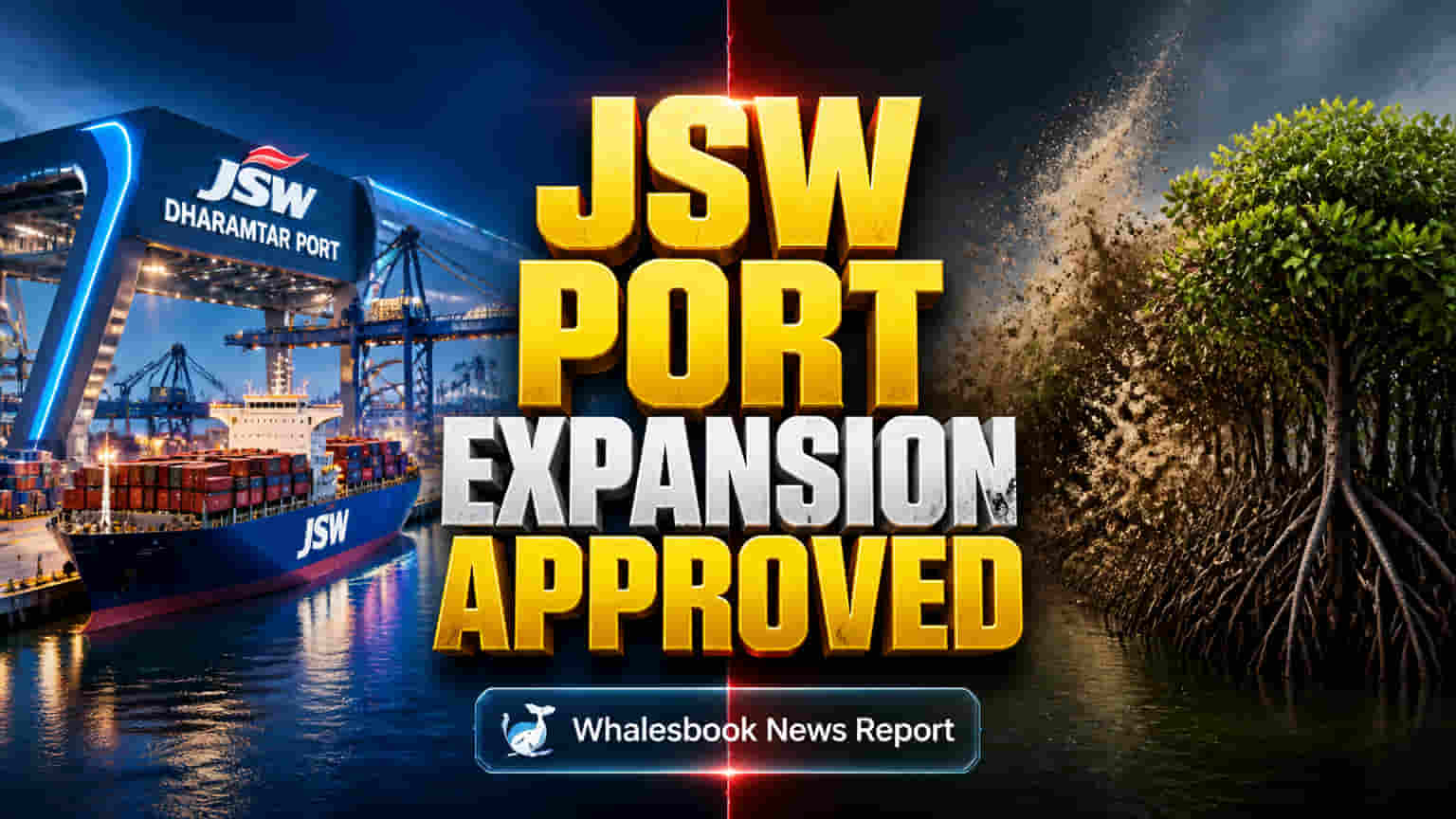


JSW Dharamtar Port Faces Environmental Scrutiny Amid Expansion Plans
JSW Dharamtar Port is at a critical juncture as its ambitious growth plans meet increased environmental scrutiny. The port aims to double its cargo handling capacity from 33.95 MTPA to 54.0 MTPA, mainly through mechanization, to meet expected industrial demand. However, this expansion is shadowed by documented environmental issues: coal and iron ore dust, wastewater discharge, and potential river turbidity affecting sensitive mangrove zones along Dharamtar Creek. Regulators and investors will closely watch the company's commitment to remediation measures like high screens and conservation plans.
Boosting Capacity and Current Valuation
JSW Steel is enhancing its Dharamtar port infrastructure, aiming to boost annual cargo handling capacity by over 60%. This expansion is key to its growth story, aiming to streamline raw material imports and finished goods exports. JSW Steel is valued at roughly INR 2.34 Trillion, with a P/E of 22x and shares trading near INR 850. The stock has seen a moderate rise over the past year, outperforming market indices and reflecting investor confidence in its growth plans.
Ministry Flags Dust, Water Discharge, and Mangrove Impact
A Ministry of Environment sub-committee found significant environmental issues at the JSW Dharamtar Port jetty during a site visit. Observations included mangroves coated in coal and iron ore dust, direct wastewater discharge, and risks of river turbidity from coal spillage during transfer to the nearby JSW Dolvi Steel Plant. Despite the JSW Foundation's efforts planting 2.5 million mangrove saplings since 2016 (85% survival rate), port operations' immediate impact on mangroves was concerning.
Remediation Recommendations and Company Commitment
Tree rows used to mitigate dust were found ineffective. The committee recommended strict measures: 15-foot screens to separate port areas from mangroves and a specific conservation plan for northern mangroves. JSW Dharamtar Port Private Limited (JSWDPPL) acknowledged the findings and agreed to implement the EAC's recommendations.
Competitive Landscape and Valuation Metrics
JSW Steel operates in a sector with major players like Adani Ports and SEZ Ltd. and Tata Steel Ltd. Adani Ports, a leader in Indian logistics, has a market cap of about INR 3.5 Trillion and P/E of 35x, reflecting its diversified business. Tata Steel, valued at roughly INR 1.3 Trillion with a P/E of 15x, is in a more value-oriented segment. JSW Steel's valuation sits between these peers.
Key Risks for JSW Steel's Valuation
Investors must weigh if the port expansion's projected growth justifies potential disruptions, penalties, or reputational damage from ongoing environmental non-compliance, particularly as India's port sector faces greater ESG scrutiny. The effectiveness of proposed mitigation measures for handling bulk cargo like coal and iron ore at this scale is untested. Its proximity to sensitive mangroves and the Amba river raises risks of adverse ecological impacts, potentially leading to stricter oversight, fines, or even operational halts if remediation fails. Unlike competitors with cleaner records or advanced environmental controls, JSW Dharamtar Port must fix current issues while expanding, a complex task that could strain resources and focus. Any increase in river water turbidity could also lead to coal particle accumulation in the riverbed, affecting aquatic life.
Future Outlook Hinges on ESG Compliance
Analysts generally view JSW Steel's expansion plans positively, expecting revenue growth and market share gains. However, execution risks, debt management, and securing environmental clearances are key factors for future performance. Successfully integrating environmental management into expanded operations at Dharamtar is crucial. The sector's future hinges on sustainable practices; companies lacking strong ESG frameworks may face investor skepticism and higher capital costs. JSW Steel's transparent and effective navigation of these environmental issues will define its long-term value.